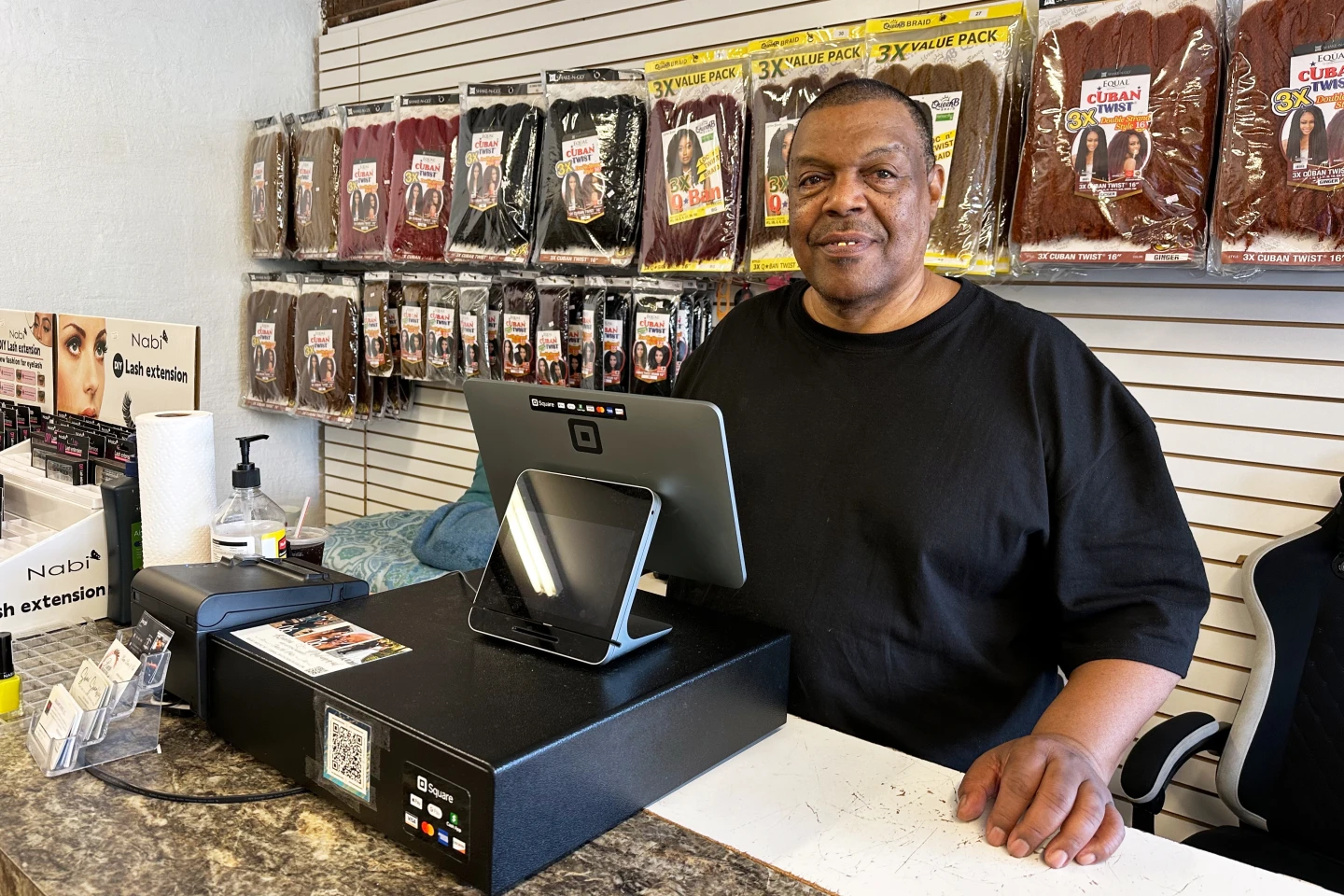
NASHVILLE, N.C. (AP) — Ricky Brinkley has lived in rural North Carolina nearly all his 65 years, enjoying the peace away from city life. Despite his long-standing presence, he feels overlooked during election seasons.
As a former truck driver, Brinkley runs a beauty supply store near the Nashville courthouse. He expressed frustration, saying, \u201cPeople don\u2019t come out like they should and ask you how you feel about things.\u201d His perspective embodies the sentiment of rural Black voters who have found themselves increasingly neglected by Democrats, who traditionally excel among Black voters yet falter in rural canvassing.
This challenge is particularly critical as the Democrats seek to boost former Governor Roy Cooper's chances in a highly contested U.S. Senate race this year. Enhanced engagement with rural Black communities could not only shift local election outcomes but also reshape the political landscape at the national level, especially in a battleground state like North Carolina.
State Party Chair Anderson Clayton advocates for understanding that \u201crural\u201d should not be synonymous with \u201cwhite.\u201d Her vision focuses on expanding outreach efforts to include rural Black voters across North Carolina—individuals who represent crucial votes as Democrats aim to overcome Republican majorities.
The Rev. James Gailliard, formerly a state lawmaker and community leader, bluntly articulated the importance of these voters, asserting, \u201cYou don’t win this state in Durham. You win it in the east.\u201d Gailliard's insights underline that Democratic success hinges on reaching into small towns and rural areas where Black voters reside.
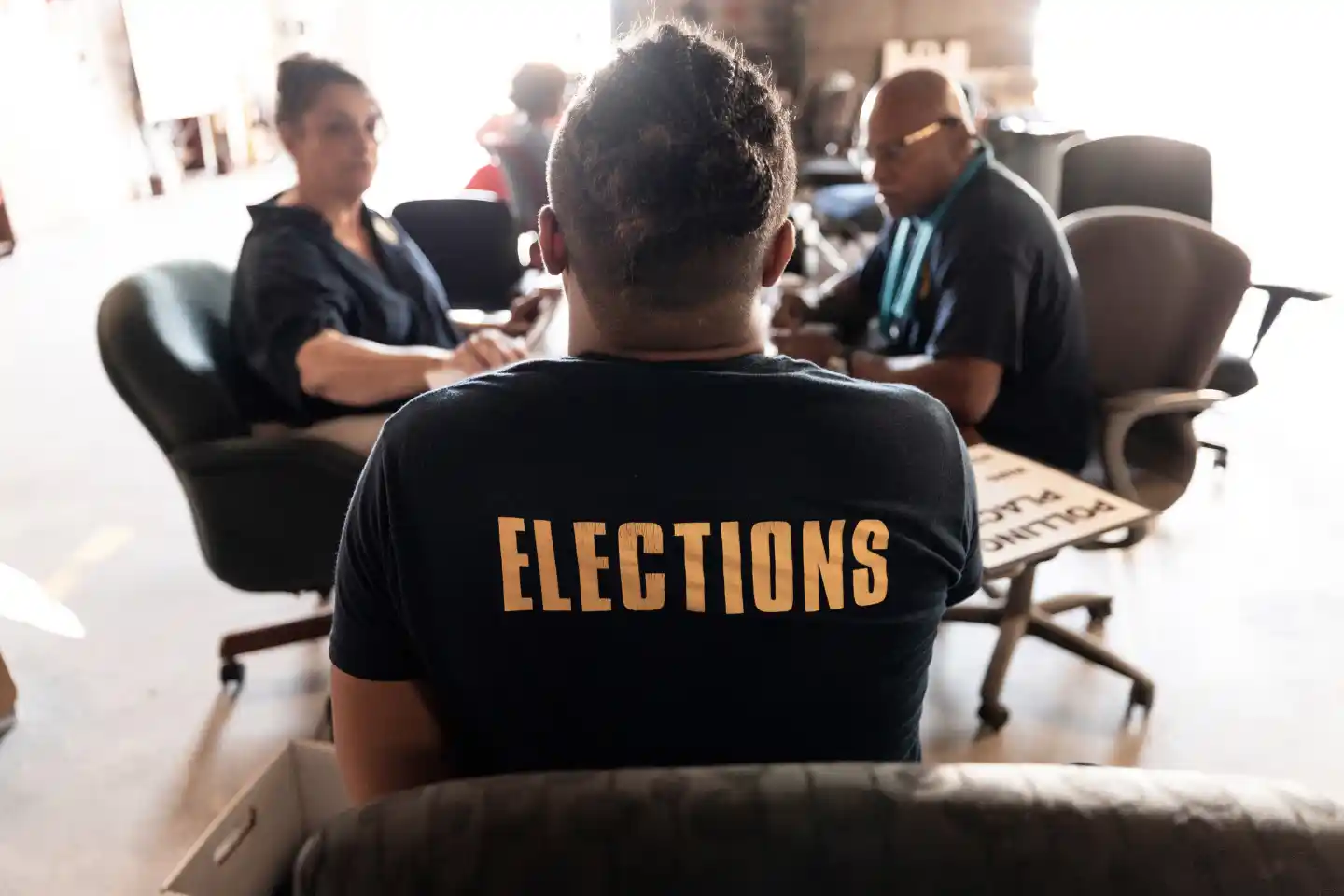
North Carolina boasts significant urban areas including the Research Triangle, but large portions of rural communities have seen Democrats lose traction. Efforts to organize and mobilize Black voters in these areas are vital, especially given turnout trends that show declining participation amongst Black voters in counties with substantial Black populations.
As Cooper mobilizes his campaign efforts, engaging with constituents in eastern North Carolina is becoming ever more paramount. His outreach includes meetings with Black farmers, business owners, and civic leaders, with plans for a statewide organizing push before November.
Yet, leaders like Gailliard emphasize a deeper commitment is required from the Democratic Party to invest locally. They seek sustained engagement with voters rather than fleeting interactions during election seasons. The goal is to foster relationships rather than transactional voter calls.
Brinkley noted the importance of acknowledgment, stating, \u201cYou get to be a big wheel, and you can forget where you came from.\u201d He believes that if Democrats hope to earn votes, they must show up in rural areas, understand the community needs, and commit resources to grassroots organizing, particularly on the neighborhood level.
In summary, as North Carolina gears up for pivotal elections, the rallying for rural Black voters could prove critical for Democratic ambitions, reshaping the party's future in both state and national contexts.