When a video went viral appearing to show a Hungarian soldier's execution, its disturbing nature came as a shock to anyone who saw it.
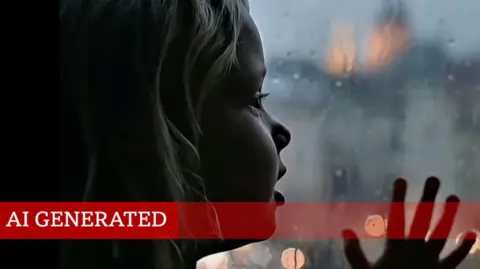
Ahead of the pivotal Hungarian elections set for Sunday, April 12, the deeply unsettling AI-generated clip was shared on the social media accounts of Prime Minister Viktor Orbán's Fidesz party in February. The video tells the story of a young girl waiting for her father to return from war, only to cut to shocking imagery of him being blindfolded and executed. This artistic and haunting narrative was strategically designed to undermine Orbán's electoral rival, Péter Magyar, who presents a significant challenge after 16 years of Orbán's administration.
While the Fidesz campaign has intensified efforts to paint Magyar and his center-right Tisza party as a threat, they have employed provocatively misleading claims regarding the Ukraine conflict. The party's memes, often accompanied by warnings about the dangers of potential war, suggest that Magyar would revive military conscription and siphon pension funds to assist Ukraine.
Despite clarifying that the video is fictional, the chilling message resonates: “The war is truly horrible... Péter Magyar doesn’t want you to see this.” While Fidesz firmly denies responsibility for creating the AI video—chalked up as a tool of propaganda—Magyar has vocally condemned it as “heartless manipulation.”
Recent polls indicate Magyar's rising popularity, demonstrating that Fidesz’s aggressive tactics may not be resonating as intended. The AI video and the associated narratives about looming threats from Ukraine significantly contribute to the charged atmosphere surrounding the elections. Experts predict that the outcome may further intensify the already frayed relationship between politics and media in Hungary, especially should Fidesz retain power.
Follow our news updates as we delve deeper into this unfolding situation, combining real-time insights with investigative journalism.}
Ahead of the pivotal Hungarian elections set for Sunday, April 12, the deeply unsettling AI-generated clip was shared on the social media accounts of Prime Minister Viktor Orbán's Fidesz party in February. The video tells the story of a young girl waiting for her father to return from war, only to cut to shocking imagery of him being blindfolded and executed. This artistic and haunting narrative was strategically designed to undermine Orbán's electoral rival, Péter Magyar, who presents a significant challenge after 16 years of Orbán's administration.
While the Fidesz campaign has intensified efforts to paint Magyar and his center-right Tisza party as a threat, they have employed provocatively misleading claims regarding the Ukraine conflict. The party's memes, often accompanied by warnings about the dangers of potential war, suggest that Magyar would revive military conscription and siphon pension funds to assist Ukraine.
Despite clarifying that the video is fictional, the chilling message resonates: “The war is truly horrible... Péter Magyar doesn’t want you to see this.” While Fidesz firmly denies responsibility for creating the AI video—chalked up as a tool of propaganda—Magyar has vocally condemned it as “heartless manipulation.”
Recent polls indicate Magyar's rising popularity, demonstrating that Fidesz’s aggressive tactics may not be resonating as intended. The AI video and the associated narratives about looming threats from Ukraine significantly contribute to the charged atmosphere surrounding the elections. Experts predict that the outcome may further intensify the already frayed relationship between politics and media in Hungary, especially should Fidesz retain power.
Follow our news updates as we delve deeper into this unfolding situation, combining real-time insights with investigative journalism.}