Warning: this article contains details which some readers may find distressing.
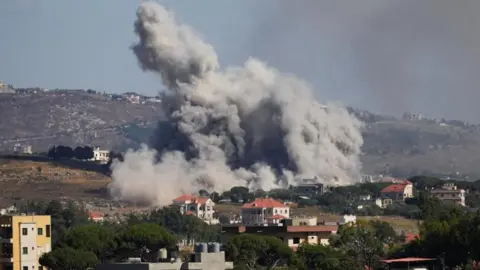
Until that moment, the war was something happening in other parts of Tehran. It had not touched the lives of Setareh and her colleagues. Then she heard an ominous noise and vibrations reached into the office.
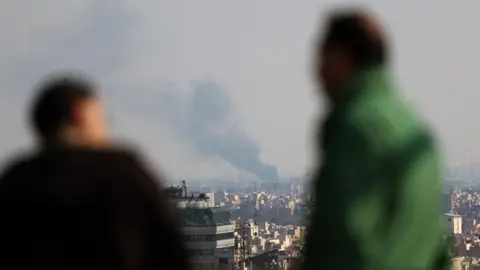
She called out to her workmates: I think it's a bomb. They left their desks and climbed the stairs to the roof of the building. We saw smoke rising into the sky, but we didn't know what place had been targeted, she recalls. After that, everyone working in the company panicked. People were shouting and screaming and running away. For one to two hours, the situation stayed like complete chaos. That same day her boss shut the business and laid off his staff.
Now the nightly bombing has stolen her ability to sleep naturally. She lies awake worrying about the present and the future. I can honestly say I haven't slept for several nights and days in a row. I try to relax by taking very strong painkillers so I can sleep. The anxiety is so intense that it has affected my body. When I think about the future and imagine those conditions, I truly don't know what to do.
Economic hardship spurred the huge nationwide protests of late 2025 and early 2026, and Setareh believes it will happen again. Millions of Iranians are in a similar position. Even before the war, the economy was in deep crisis, with food prices rising by 60% in the previous year. Setareh describes mounting desperation as people run out of resources to survive.
Despite strict state censorship, the BBC has been able to use trusted sources on the ground to obtain testimony from a range of Iranians in different parts of the country. All described growing economic pressure and most spoke of their hope that the war might bring about the fall of the government.
They ambushed us in one of the alleys - the alley leading to the square. They fired bullets and tear gas, shares Behnam, a former political prisoner. Holding up an X-ray of his torso, Behnam shows the metal fragments that remain lodged in his body. He adds, Once you see how easily your life can be threatened, your life no longer holds the same value for you. And that experience makes you care less about yourself. As a child, he listened to his parents' accounts of regime violence. Fear was the defining factor in their lives.
Now, with US threats to escalate military action and Iran's regime tightening its hold on dissent, the prospects for change seem bleak. Citizens wrestle with the dual burden of war and economic despair, and one month into the conflict, the specter of heightened repression looms larger than ever.