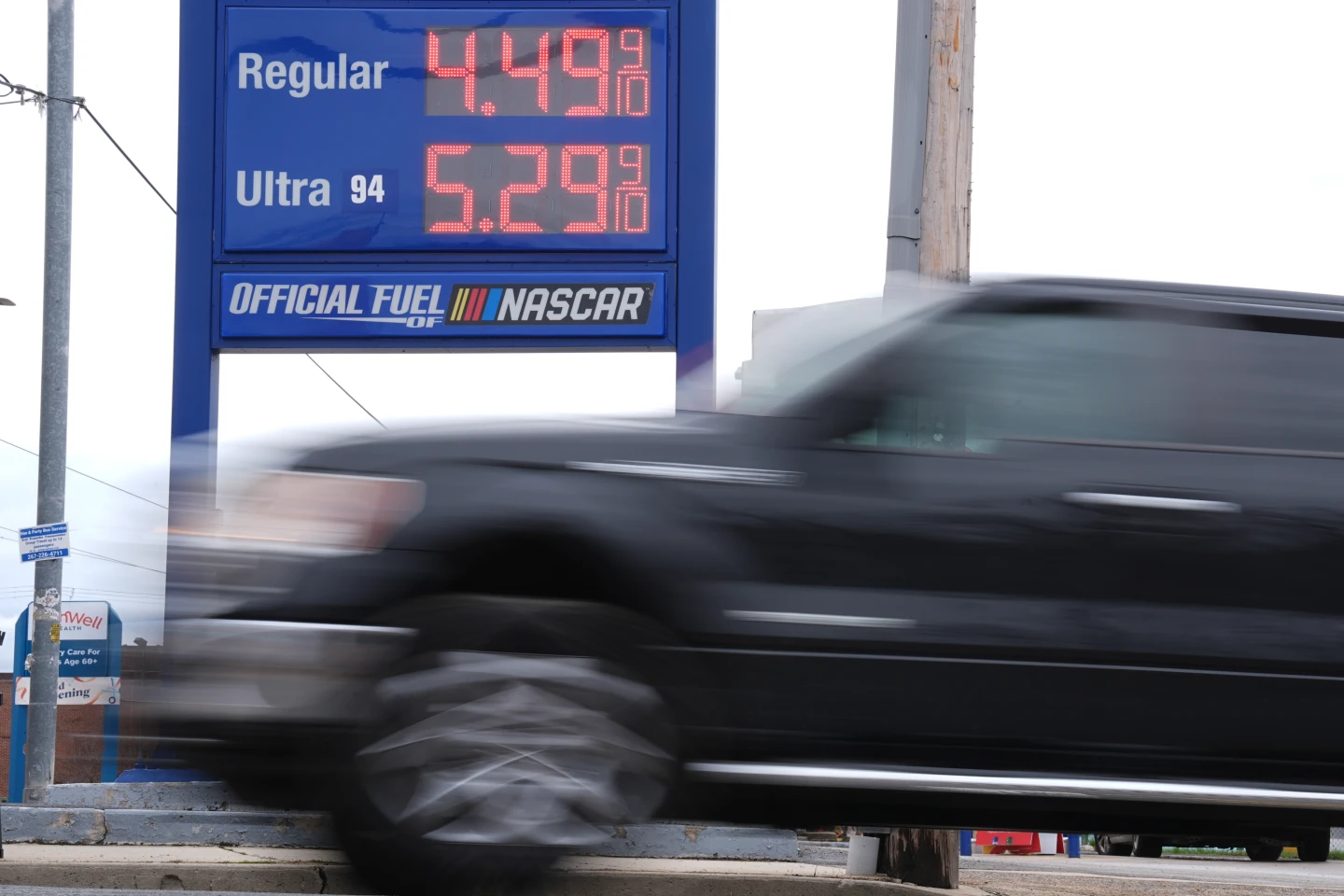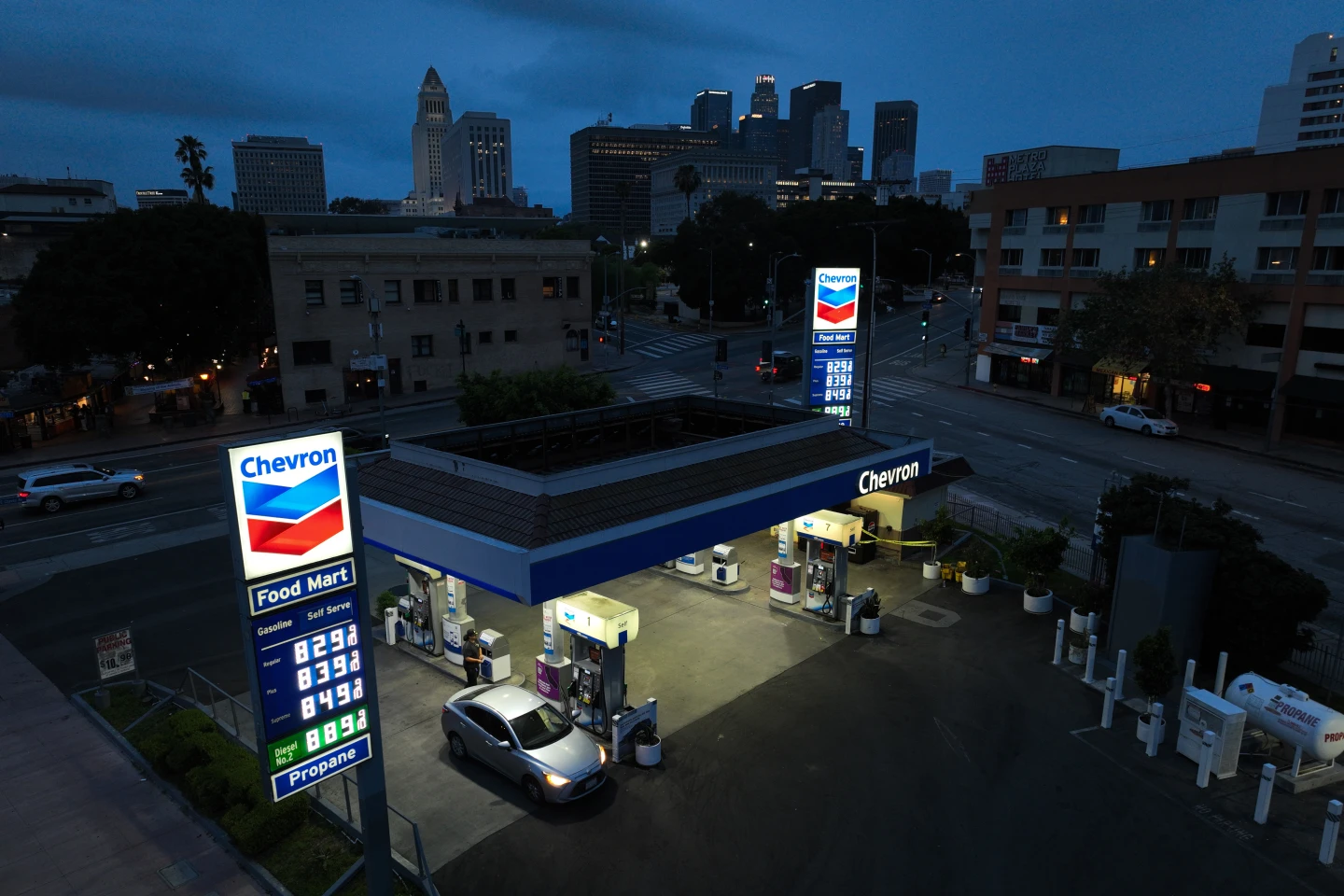
DES MOINES, Iowa (OnPoint Info) – U.S. drivers are feeling the pinch as gas prices spiral, with averages now crossing the $4 mark per gallon, the highest the country has seen since 2022. Frustration grows as consumers struggle with inflation and the impacts of the ongoing conflict in Iran, fueling price increases worldwide.
As the conflict unfolds, the effects ripple through the oil markets, making it harder for gas stations to maintain fair and stable pricing. Drivers have to play a game of cat-and-mouse to find the lowest prices, which can vary remarkably from one station to the next, says Lonnie McQuirter, director of operations at Minneapolis’ 36 Lyn Refuel Station.
With wholesale fuel prices changing multiple times throughout the day, local retailers feel the financial squeeze. Higher costs are not limited to fuel purchases—they also face increased operational expenses. We’re prioritizing our customers’ well-being while trying to manage tighter profit margins, McQuirter added, reflecting on the emotional toll of the rising costs on consumers.
Experts indicate that variables such as state taxes, transportation costs, and competition between nearby stations significantly contribute to the disparity in gas prices across the nation. For instance, California faces much higher gas taxes compared to states like Alaska, resulting in notable price differences.
Despite the surge in retail gas prices, gas station operators often see reduced profit margins as costs rise at the source, from crude oil to refiners, as they frequently have to adjust prices in response to market changes.
Overall, while higher gas prices may be beneficial to a few in the oil supply chain, the negative impacts pervade more significantly for consumers and small retailers trying to navigate this volatile market.