ATLANTA (AP) — The Georgia General Assembly ended its annual session early Friday without a plan for new equipment to overhaul the state’s voting system by a July deadline, plunging into doubt the future of elections in the political battleground.
The lawmakers’ failure to offer a solution after months of debate raises uncertainty about how Georgians will vote in November and leaves confusion that could end in the courts or a special legislative session.
“They’ve abdicated their responsibility,” said Democratic state Rep. Saira Draper, referring to the inaction by Republicans who control the legislature.
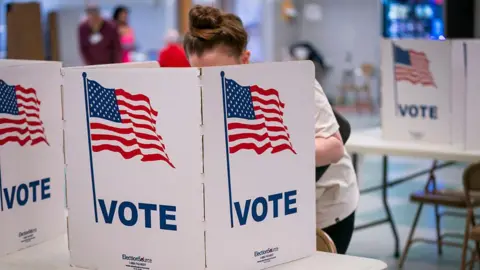
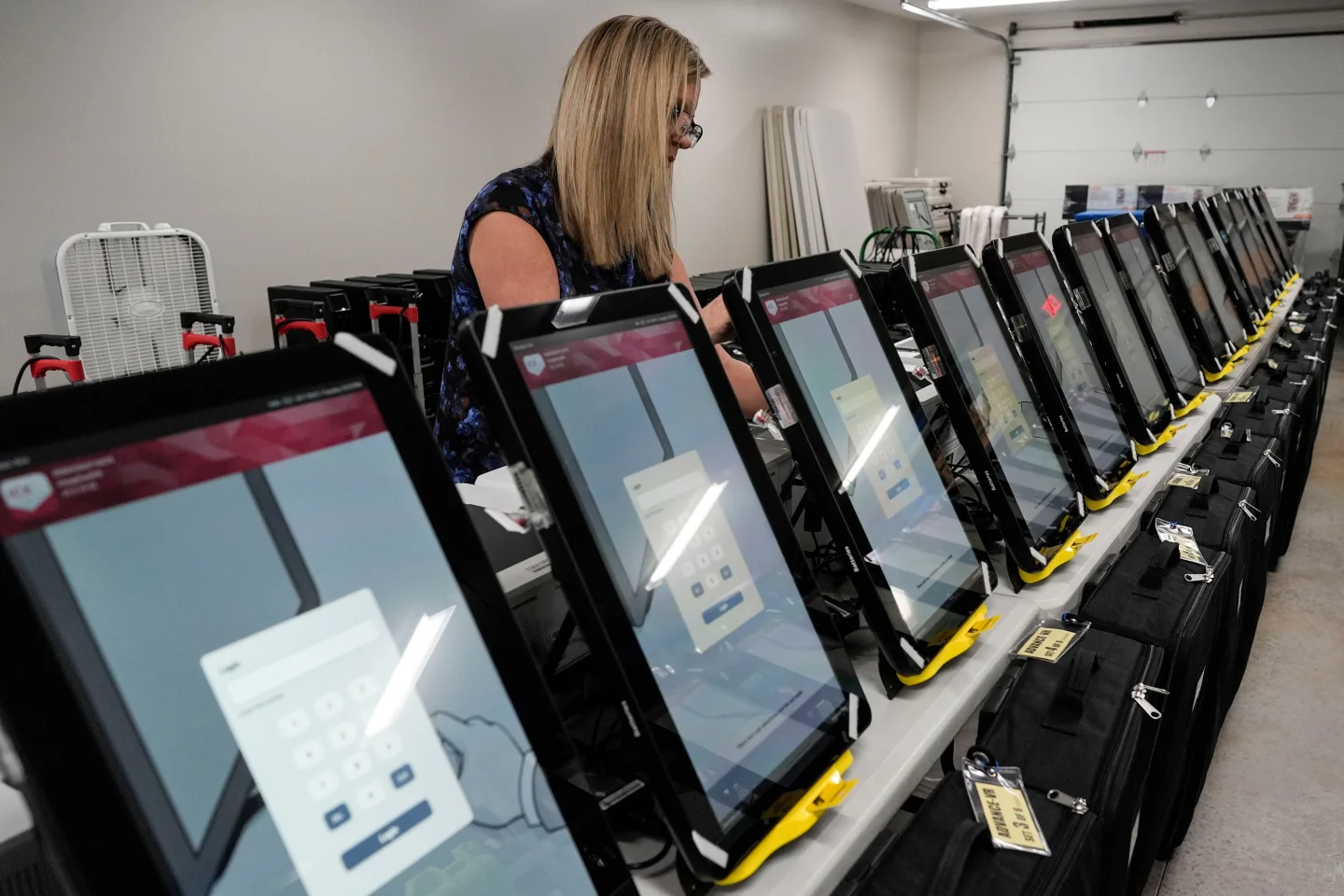
Currently, voters make their choices on Dominion Voting machines, which print ballots with QR codes that scanners read to tally votes. Those machines have been repeatedly targeted by President Donald Trump following his 2020 election loss, leading Trump’s Georgia followers to enact a law banning the use of barcodes for voting effective in 2024.
State law, however, still requires counties to use the machines, and no funding has been allocated for reprogramming them. Lawmakers failed to agree on a replacement solution.
“We’ll have an unresolvable statutory conflict come July 1,” warned House Governmental Affairs Committee Chairman Victor Anderson.
Both House Republicans and Democrats had backed a proposal to maintain the use of machines until 2026 while phasing out QR codes by 2028. However, Senate Republicans did not support the plan, leading to current uncertainties.
Draper criticized the Senate for their lack of responsible governance, suggesting that the interests of party loyalty have taken precedence over the needs of Georgia’s electorate.
Election officials, such as Bartow County's Joseph Kirk, are unclear on how to proceed without legislative direction, hinting at possible judicial intervention. “This is uncharted territory,” Kirk noted.
The impasse might require the state to revert to a hand-marked and hand-counted paper ballot system in the upcoming elections, which many officials deem impractical given the timeframe. The prospect of a sudden transition to hand-marked ballots has raised alarms among election officials about potential logistical challenges.
Some officials have voiced frustration with politicians prioritizing political competition over effective election management. They insist that lawmakers need to better understand electoral processes before implementing new laws that may be unattainable.
As Georgia grapples with its voting system's future, calls for a special session are mounting, with lawmakers acknowledging the need for resolution to the legislative dilemma. Anderson stated clearly, “This is a legislative problem. It’s a legislative solution that has to happen.”