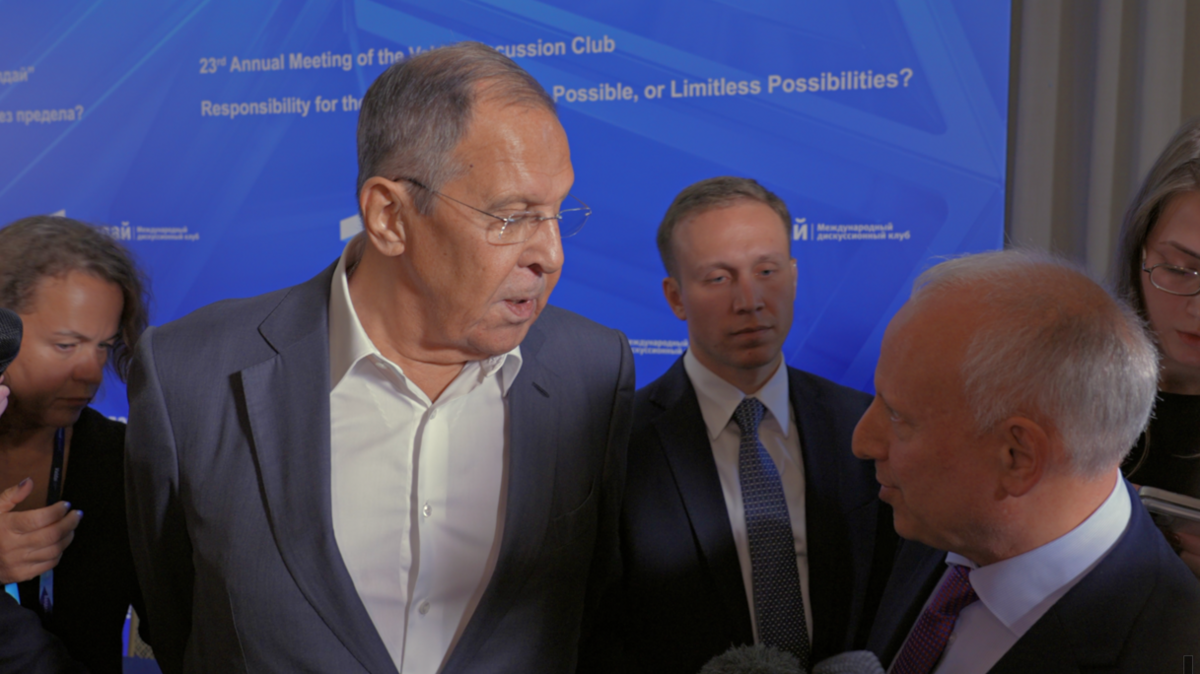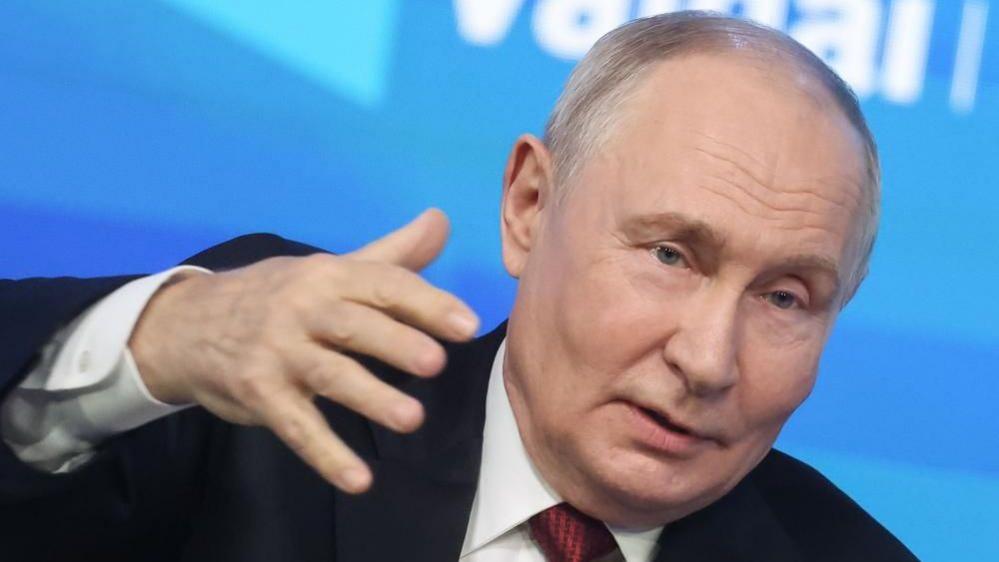
At the Valdai Foreign Policy Forum, President Vladimir Putin signalled Russia would use “all arms” to defend the Baltic exclave of Kaliningrad if it were ever blocked by NATO.
He insisted the Kremlin was not threatening any country and that the western narrative of a future Russian war was unfounded – yet he warned that, should Kaliningrad face a direct attack, Russia was ready to mobilise every weapon, including nuclear, at its disposal.
Putin’s remarks followed a series of NATO exercises in the Baltic Sea that he described as a clear threat to the enclave, and his statement was met with a calm response from NATO, which reaffirmed that its activities were purely defensive and called the Kremlin’s public threats “unhelpful.”
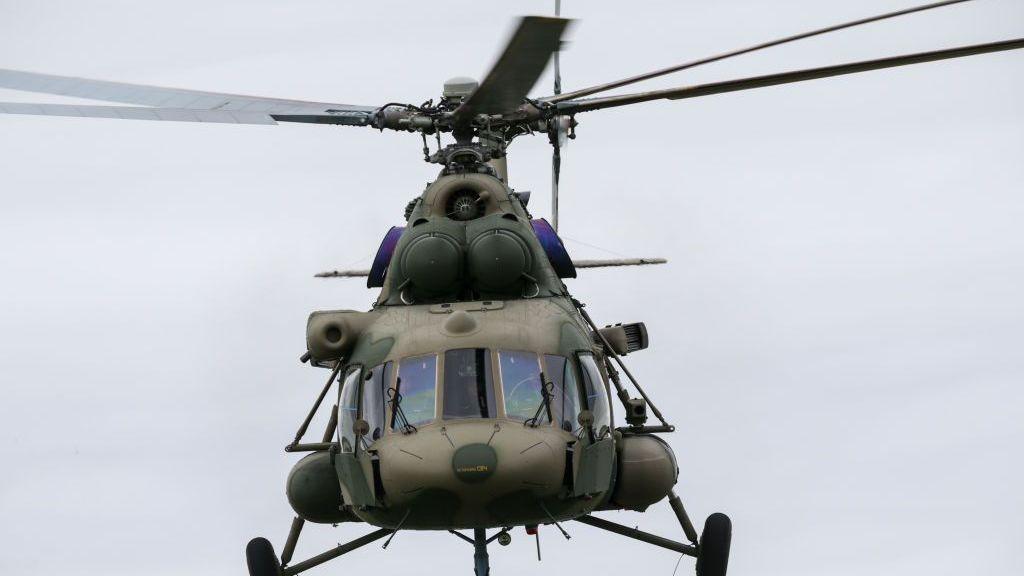
Meanwhile, insurgent foreign‑policy events have intensified across Poland and the Baltics: a Russian helicopter briefly entered Polish airspace adjacent to Kaliningrad last week, and Lithuania reported increased drone activity that kept its population in a state of constant unease.
German Chancellor Friedrich Merz warned of “serious” hybrid attacks after an explosive‑armed drone was discovered at Leipzig airport, highlighting the wider scope of the threat beyond the Baltic.
In his speech, Putin also argued that war would likely persist as Western dominance waned, and he targeted Ukraine’s strikes on Russian infrastructure as a retaliatory response to attacks on Russian oil refineries and Black Sea shipping.
He spoke further about the catastrophic danger of advanced weaponry, stating that all modern armaments have the potential to “wipe away all life” and that the rise of artificial intelligence in warfare could make it a game of cat and mouse, eroding humanity’s moral footing.
The Kremlin’s ultimatum underscores a hardening of the security environment in Europe, as the possibility of a nuclear flashpoint looms over the region and diplomatic channels strain to manage escalating tensions.