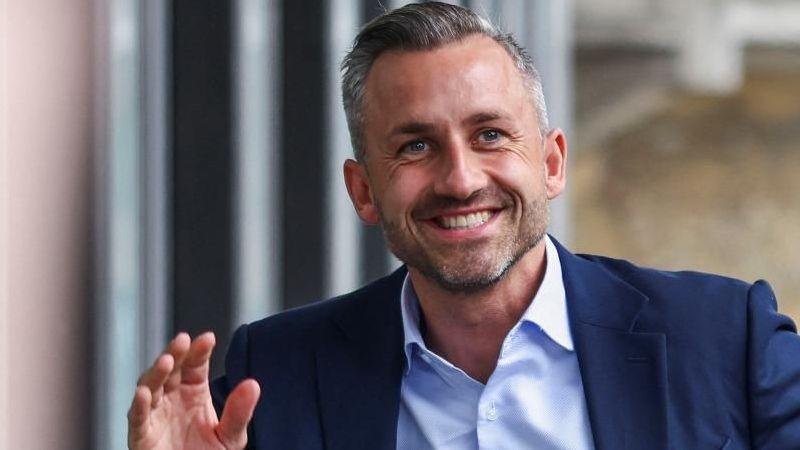

Martin Ryan, a French national, was pardoned by Azerbaijani President Ilham Aliyev after a conviction for spying.
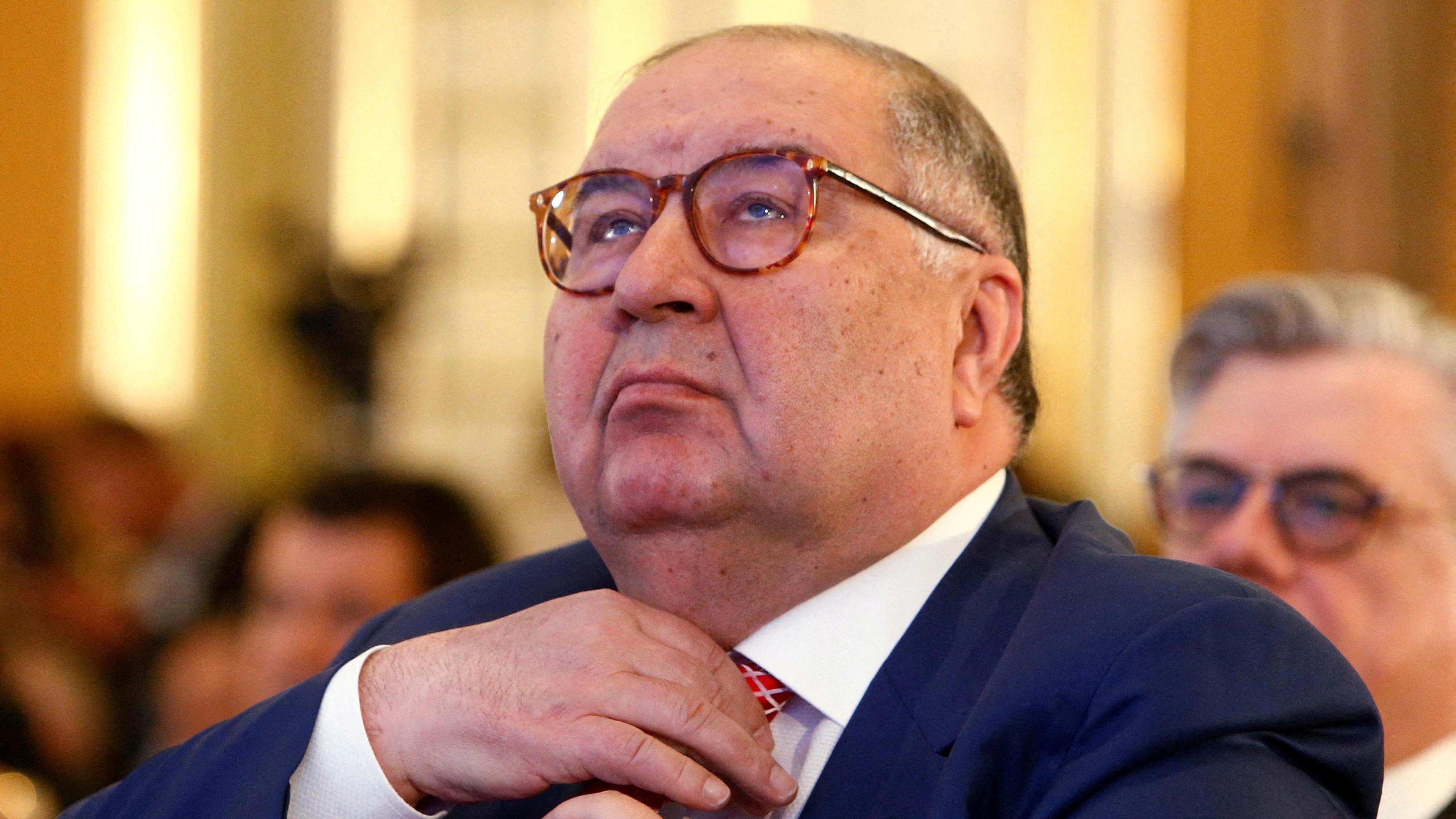
The pardon was granted during a broader diplomatic stir, as the European Union announced it would lift sanctions on two Russian billionaires – metal‑and‑mining magnate Alisher Usmanov and the Israeli‑Russian financier Mikhail Fridman – for the first time since the 2022 invasion of Ukraine.
The EU’s decision was met with fury from Ukraine, which accused the bloc of compromising its security stance. Ukrainian Foreign Minister Andriy Sybiha called the lifting “a sign of Moscow’s impunity.”
Ryan’s case has been a focal point for diplomatic fallout across Europe. He has consistently denied espionage allegations, and the French government has stated its position is unchanged.
Despite Ryan’s pardon, another French suspect, Anass Derraz, remains in Azerbaijani prison on charges of bribery involving Russian officials.
The decision to pardon a total of 20 prisoners – a mix of Azerbaijanis, Turks and others – reflects President Aliyev’s recent stance on foreign policy. The move was part of a broader strategy to reform Azerbaijan’s relationships with European partners.
Officials say the EU’s sanction lift was influenced by Slovakia’s initial request and France’s later backing. In turn, France’s President Emmanuel Macron is reportedly open to new bilateral engagements with Azerbaijan, signalling a potential shift in regional dynamics.
The case draws attention to the complexities of sanction regimes and the ripple effects they have on international diplomacy. With the EU extending sanctions on remaining individuals for a three‑year period, the global landscape remains volatile.