Putin Solidifies Control, No Signs of Pausing Ukraine War
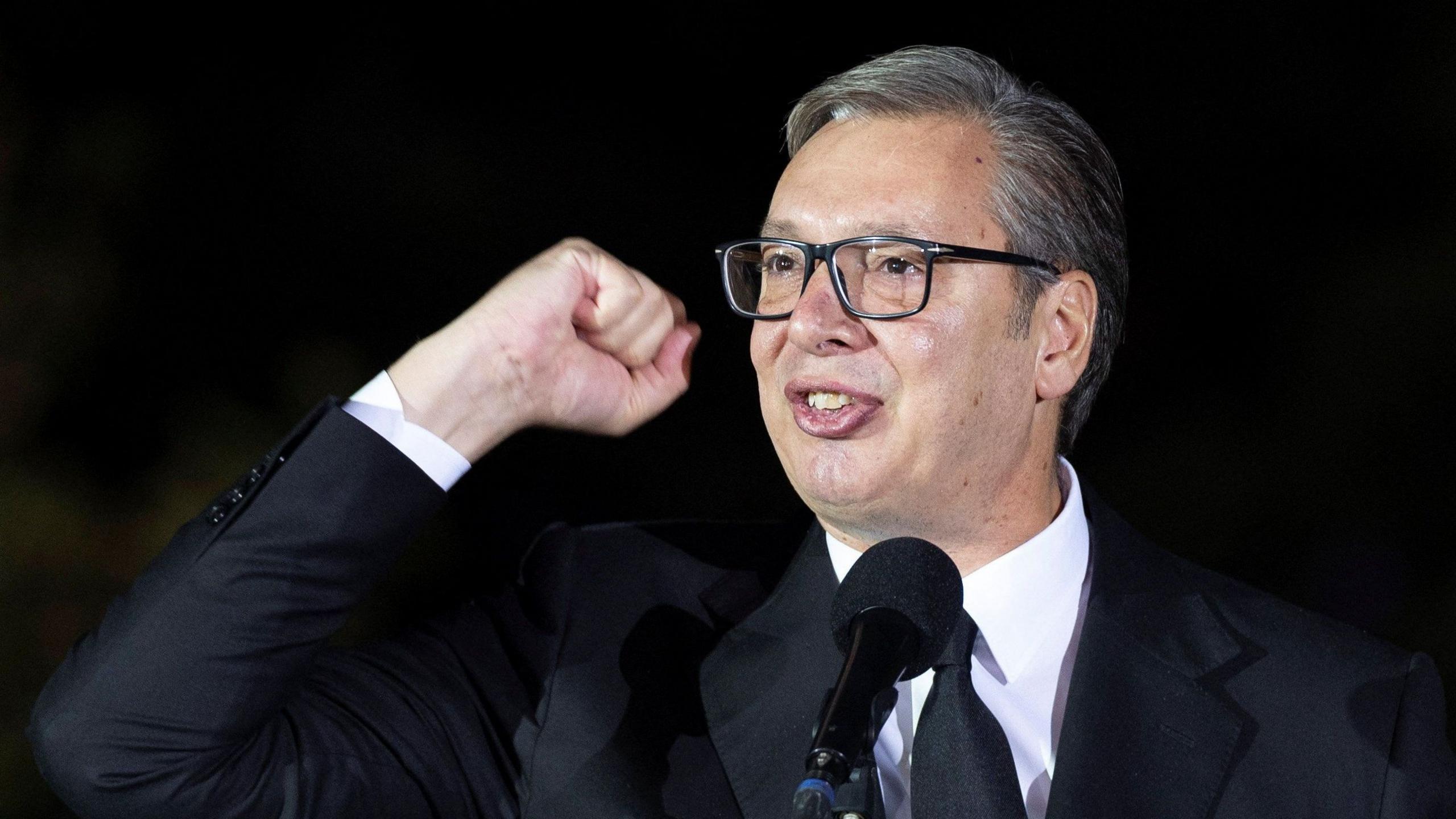
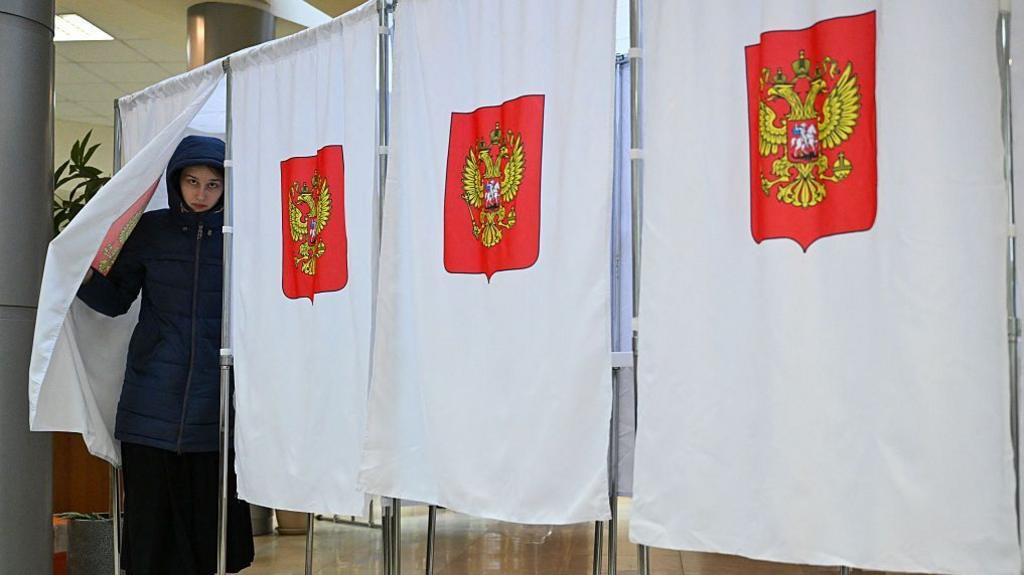
When Vladimir Putin addressed the State Duma on Wednesday, he was greeted with thunderous applause that matched the blaze of a parliament now dominated by the United Russia party. The party’s recent landslide victory is – according to Kremlin officials – the clearest sign that the Russian people have endorsed the so‑called ‘special military operation’ in Ukraine.
The new House comes with the largest number of United Russia MPs in history, giving the Kremlin a firm legislative platform. The agenda now appears to be twofold: solidify claims of a Ukrainian ‘irreconcilable threat’ and reinforce Russia’s willingness to continue the war, even as losses mount and the economy suffers.
In a sole speech at the Valdai Discussion Club, President Putin reinforced this stance, underscoring that what is happening in Ukraine is, in his view, a European war fought against Russia. The narrative, which ignores the fact that Moscow launched the invasion, is designed to shape public opinion, both at home and abroad.
Meanwhile, Russian officials are pressing Western nations to curtail financial and military aid to Kyiv. According to the Kremlin, such support is only prolonging the conflict, and Russia has signaled that it will not hesitate to employ “hybrid” tactics – from cyber‑attacks to clandestine drone strikes – against European states. Foreign Minister Sergei Lavrov stated that while the West may view Moscow as the aggressor, the Kremlin’s actions are directed at preventing a European war on Russian soil.
Analysts note that the Kremlin’s rhetoric sometimes hints at a willingness to pursue extreme measures, including nuclear escalation, should the West continue supporting Ukraine. In a recent interview, senior strategist Sergei Karaganov warned that Russia would “have to go nuclear” if Europe’s assistance persisted, though he denied this would trigger a European nuclear response.
The latest developments suggest that Moscow’s priorities remain unchanged: dominate the Duma, justify the war narrative, and continue military pressure on Ukraine while simultaneously attempting to erode Western support. Whether this will drive further escalation cannot yet be predicted, but the current trajectory appears to carry Russia deeper into conflict and harder into isolation.