Oil Prices Hit $100 a Barrel for First Time Since May
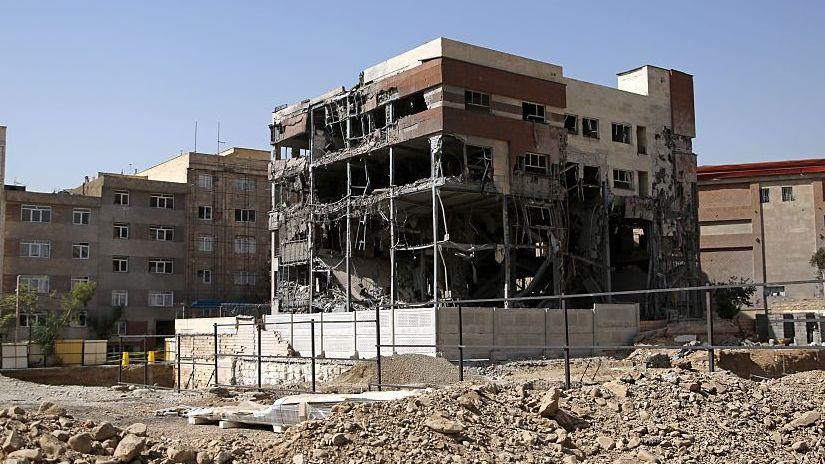
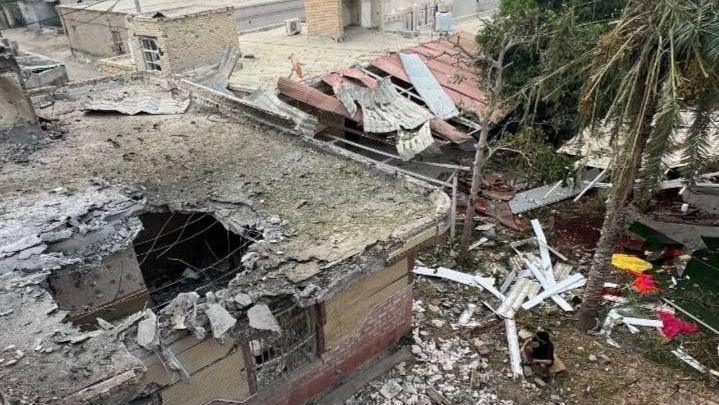
Brent crude climbed more than 6% to $100 a barrel, reversing a recent decline that had followed a temporary ceasefire between the U.S. and Iran. The surge came on a Thursday after the U.S. intensified its military campaign against Iran, triggering heightened geopolitical risk around the world’s energy supply chain.
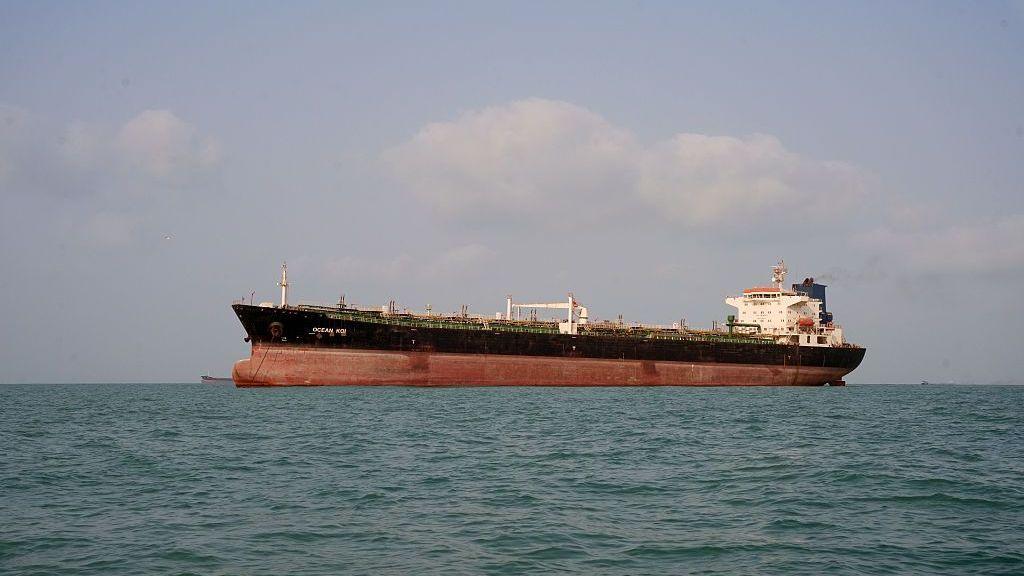
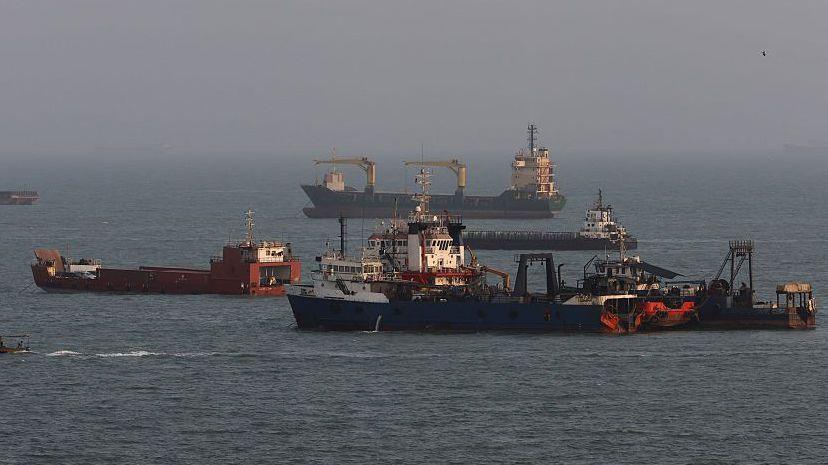
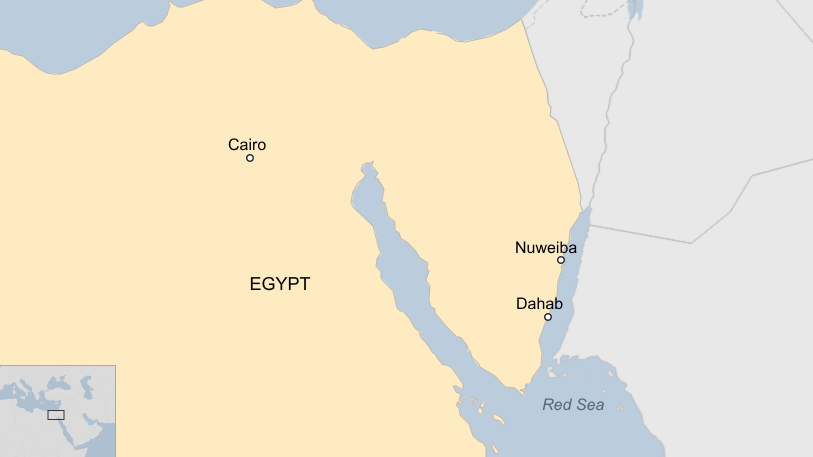
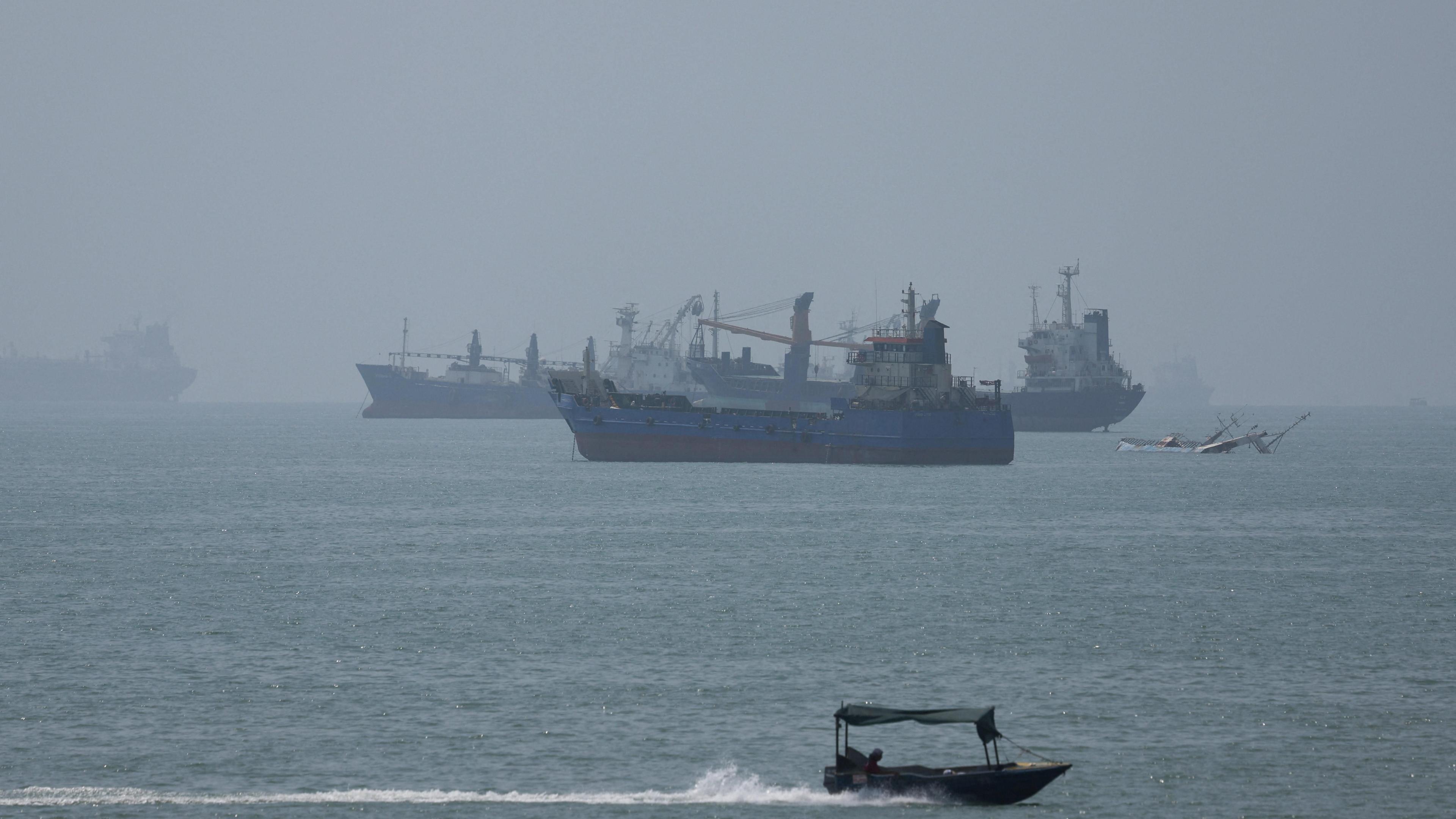
The picture was further sharpened by an attack on oil tankers in the Red Sea from Yemen’s Houthi militia. Their targeting of vessels that bypass the Strait of Hormuz—reliance of Saudi Arabia on that route—reinforced concerns that a broader supply disruption could arise.
Consecutive Fuel Price Rises
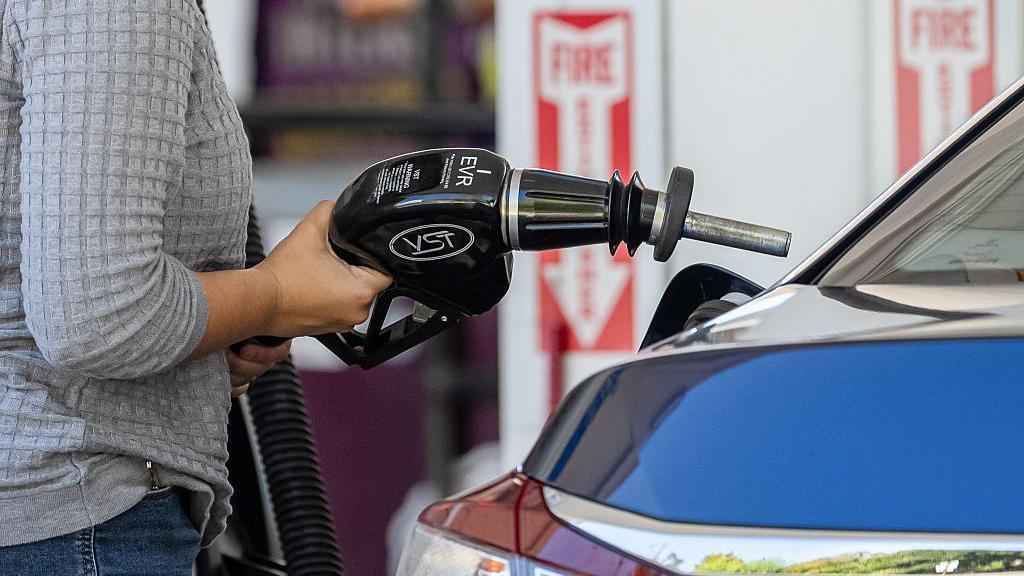
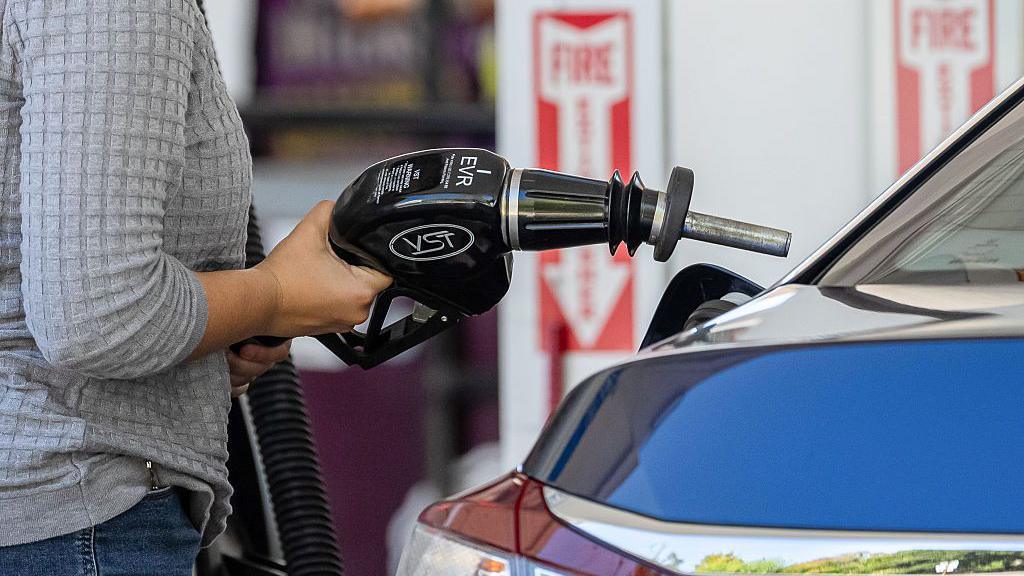
In the United Kingdom, the benchmark gas price sits around 150 pence per therm, up from about 98p at the end of June. UK petrol has risen by 5p a litre since early July, reaching nearly £1.56 a litre, while diesel averages £1.72 per litre per the RAC. In the United States, average gasoline has climbed above $4 a gallon again, from $3.92 a month earlier, according to AAA.
Inflation and Central Banks Respond
UK inflation fell to 2.6% in the year to June, helped by easing diesel and petrol prices, while U.S. inflation was reported at 3.5%. Yet, analysts question whether this dip will persist amid the renewed Middle East conflict.
Senior economists warn that sustained high energy costs could compel the Bank of England to keep interest rates at 3.75% longer, while the U.S. Federal Reserve’s new chair stressed the need to curb “persistently elevated inflation”. The combined effect may exert pressure to maintain or even raise borrowing costs, challenging households and businesses.