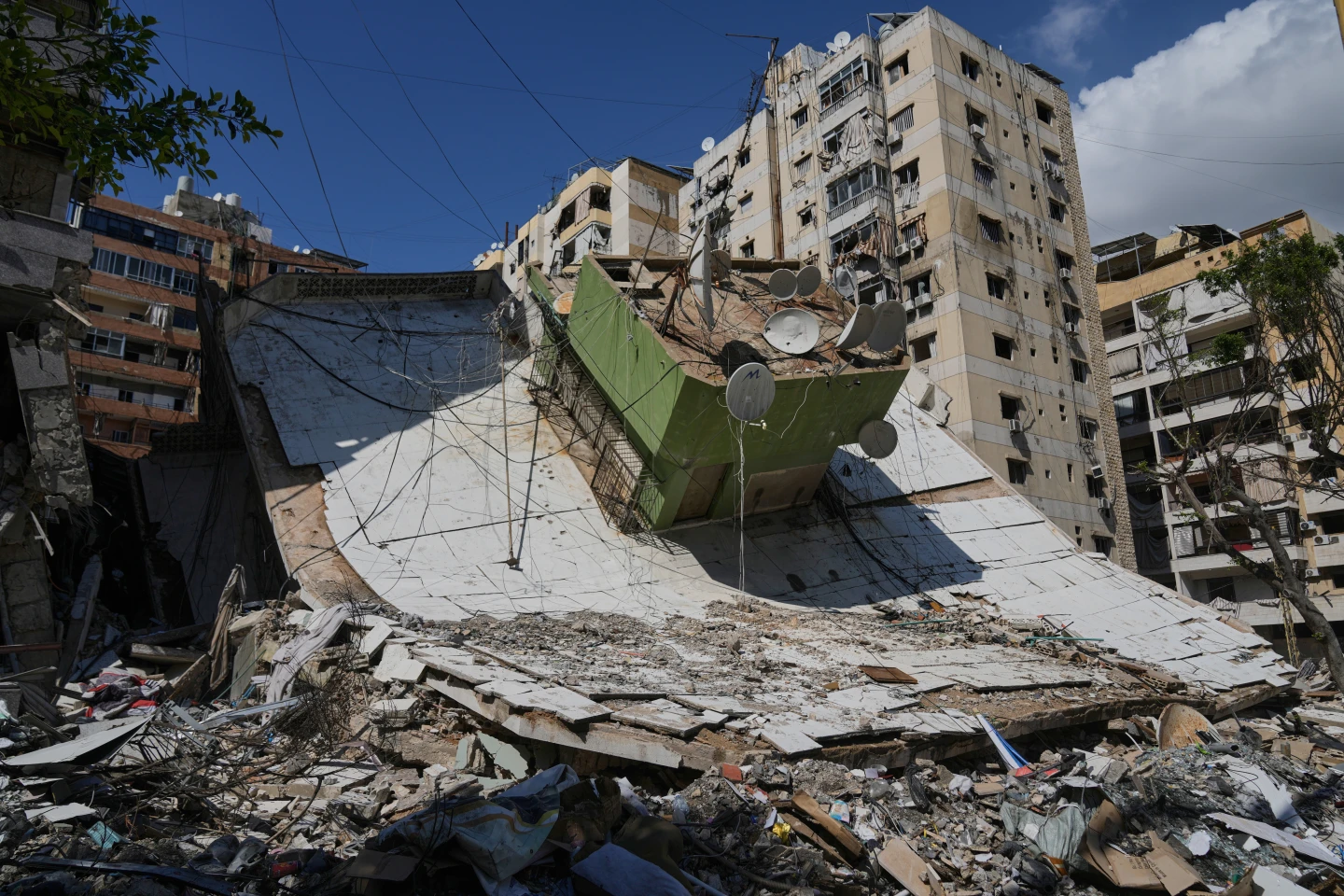
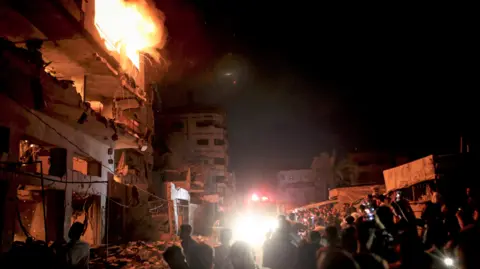
The recent cease-fire between Hamas and Israel has ignited mixed feelings across the conflict-ridden region as each side grapples with the stark realities unfolding. Gazans are now wading through the widespread destruction caused by 15 months of warfare, while Israelis are anxiously seeking news regarding the health of recently freed hostages.
On Monday, the first full day following the cease-fire, people in Gaza surveyed their neighborhoods, which had been ravaged by conflict, seeking salvageable belongings from the rubble. The Gaza Civil Defense service reported a heavy toll during the fighting, with numerous workers killed, injured, or detained. Meanwhile, in a welcome gesture of goodwill, Israel released 90 Palestinian prisoners, while Hamas successfully brought back three Israeli hostages. This initial exchange marks the beginning of what is hoped to be a series of viable hostage-for-prisoner trades over the coming weeks.
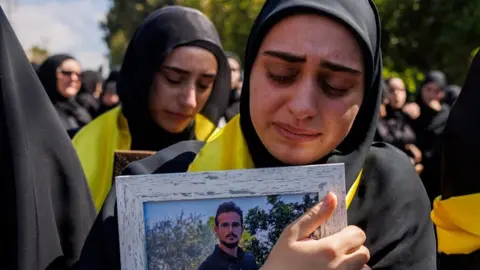
With relief slowly settling in, celebratory gunfire erupted in the West Bank where Palestinian prisoners returned home to enthusiastic crowds, as jubilant festivities unfolded following the announcement of the ceasefire. Fireworks were seen lighting up the sky amidst cheers. Despite this, an underlying anxiety permeated the atmosphere in both territories; Gazans faced the prospect of immense hardships as they returned to their shattered communities, many in utter disbelief at the extent of the devastation.
The initial stage of the truce has been agreed upon for six weeks, during which humanitarian aid efforts escalated significantly following a prolonged drought of resources. Over 630 aid trucks traveled into Gaza on the first day of the cease-fire, significantly surpassing recent daily averages. However, organizations warn that aid must be allowed to flow continuously amidst the dire need as populations remain displaced and insecure.
In Israel, the government has been relatively tight-lipped about the health status of the returned hostages, although updates are crucial for concerned families hoping for safe and swift reunions. The fate of other hostages remains uncertain, as upcoming planned exchanges involve the release of additional Palestinian detainees.
Critics of the undeniably lopsided prisoner exchange assert that the inequality between the hostages returned and the prisoners freed raises critical questions about the underlying motivations of the parties involved. This imbalance highlights enduring concerns in Israeli society regarding the risks entailed in such exchanges and the potential encouragement of future abductions.
In Gaza, the show of authority from Hamas is unmistakable, with armed militants returning to the streets, asserting their dominant position in the wake of the cease-fire. As humanitarian groups strive for unimpeded access to aid, deep concerns linger regarding the future stability of Gaza amidst the promise of negotiations to come.
With all eyes focused on the fragile truce, the international community watches closely, hoping for the restoration of peace while questioning how long this cease-fire will hold. Both clients remain deeply embroiled in their respective struggles, leaving the road ahead uncertain and fraught with difficulty.