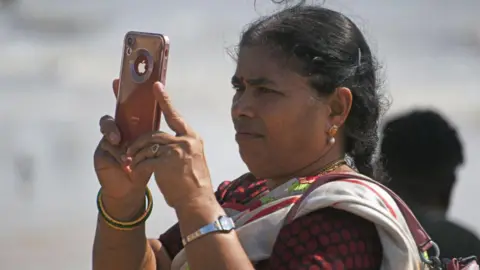
India has ordered all new smartphones to come pre-loaded with a non-removable, state-run cybersecurity app, sparking privacy concerns. Under the order - passed last week but made public on Monday - smartphone makers have 90 days to ensure all new devices come with the government's Sanchar Saathi app.
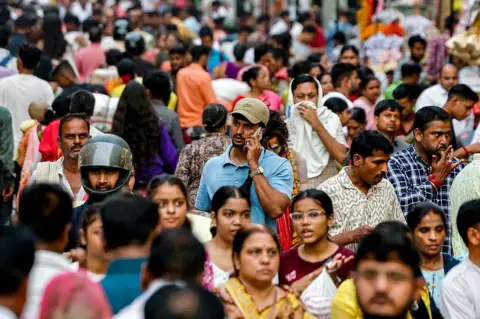
The app is intended to help citizens verify the authenticity of a handset and report suspected misuse of telecom resources. The move comes as India boasts over 1.2 billion mobile users and has been criticized by cyber experts, who argue that it breaches citizens' right to privacy.
Launched in January, the Sanchar Saathi app enables users to check a device's IMEI, report lost or stolen phones, and flag potential fraudulent communications. India's Department of Telecommunications stated that mobile handsets with duplicate or spoofed IMEI numbers pose a serious endangerment to cybersecurity.
The app must be readily visible and accessible when users set up a device, and its functionalities cannot be disabled. Smartphone manufacturers are also urged to provide the app via software updates for unsold devices.
While proponents claim the app can bolster telecom cybersecurity, experts caution that the app’s extensive permissions raise alarm about potential state surveillance. Advocacy groups have voiced that this could essentially turn each smartphone into a permanent, non-consensual access point for state surveillance, undermining user control.
Given that Apple's iOS platform has historically resisted such government requirements, compliance could be complicated for major manufacturers. Reports indicate that Apple is likely to contest the order, prioritizing user privacy over governmental demands.
Similar concerns over privacy and surveillance have arisen globally, with Russia implementing comparable mandates for state-backed apps on devices sold within its borders.
The app is intended to help citizens verify the authenticity of a handset and report suspected misuse of telecom resources. The move comes as India boasts over 1.2 billion mobile users and has been criticized by cyber experts, who argue that it breaches citizens' right to privacy.
Launched in January, the Sanchar Saathi app enables users to check a device's IMEI, report lost or stolen phones, and flag potential fraudulent communications. India's Department of Telecommunications stated that mobile handsets with duplicate or spoofed IMEI numbers pose a serious endangerment to cybersecurity.
The app must be readily visible and accessible when users set up a device, and its functionalities cannot be disabled. Smartphone manufacturers are also urged to provide the app via software updates for unsold devices.
While proponents claim the app can bolster telecom cybersecurity, experts caution that the app’s extensive permissions raise alarm about potential state surveillance. Advocacy groups have voiced that this could essentially turn each smartphone into a permanent, non-consensual access point for state surveillance, undermining user control.
Given that Apple's iOS platform has historically resisted such government requirements, compliance could be complicated for major manufacturers. Reports indicate that Apple is likely to contest the order, prioritizing user privacy over governmental demands.
Similar concerns over privacy and surveillance have arisen globally, with Russia implementing comparable mandates for state-backed apps on devices sold within its borders.