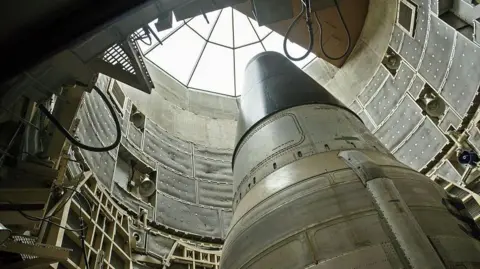
The last nuclear weapons control treaty between the US and Russia is due to expire on Thursday, raising fears of a new arms race. The Strategic Arms Reduction Treaty, known as New START, signed in 2010, was designed to help prevent a catastrophic nuclear war.
The treaty capped the number of deployed strategic nuclear warheads for each party to 1,550 and included transparency measures such as data transfer, notifications, and on-site inspections. Its expiration marks a troubling end to the arms control cooperation that helped to ease Cold War tensions.
Pope Leo has urged the US and Russia to renew the treaty, stressing the world's current climate necessitates urgent actions to avert a new arms race. Historically, the original START treaty, signed in 1991, limited each nation to no more than 6,000 nuclear warheads.
Though Russia suspended cooperative obligations under the treaty three years ago due to rising tensions over Ukraine, both countries have maintained a degree of compliance. The treaty was pivotal in preventing an unchecked arms build-up while fostering strategic transparency between the two nations.
The expiration of New START is part of a worrying trend, with several other crucial arms control treaties dissolving. Former UK military head Admiral Sir Tony Radakin pointed out that the frameworks sustaining global safety are now at risk.
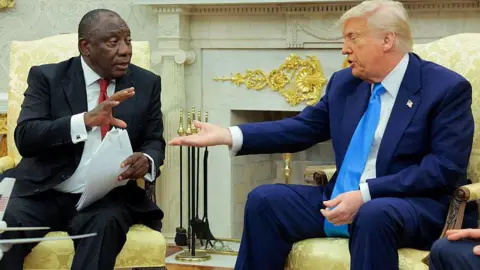
Russia's Dmitry Medvedev, who was pivotal in signing the New START treaty, warned of alarming implications stemming from its expiration. Moreover, US President Donald Trump downplayed the situation, suggesting a new agreement could replace the old one. However, as tensions mount and nuclear capabilities expand, experts express concern that a new arms control treaty may prove elusive.
Both the US and Russia are modernizing their nuclear forces, indicating that an arms race may already be underway. With the development of hypersonic missiles and advanced offensive capabilities, the future of nuclear arms control looks increasingly precarious.