The last nuclear weapons control treaty between the US and Russia is due to expire on Thursday, raising fears of a new arms race.
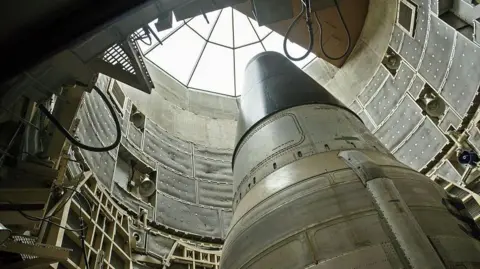
The Strategic Arms Reduction Treaty, known as New START and signed in 2010, was designed to help prevent a catastrophic nuclear war. The treaty capped the number of deployed strategic nuclear warheads for each party to 1,550 and established transparency through data transfer, notifications, and on-site inspections.
The treaty's expiration marks an end to collaborative efforts in arms control that helped mitigate tensions following the Cold War. Recently, Pope Leo urged both nations to renew the treaty, highlighting the urgent need to prevent an arms race in the current geopolitical climate.
Despite its technical suspension in recent years, both countries were adhering to the treaty's terms. The absence of this framework raises alarms about uncontrollable nuclear weapons build-up, increasing the risk of misjudgments between the superpowers.
Leading up to the expiration, former UK armed forces chief Admiral Sir Tony Radakin warned of the deteriorating security architecture. Similarly, Dmitry Medvedev, former Russian president who was involved with the treaty's signing, expressed concern over the expiration, stating it should worry everyone.
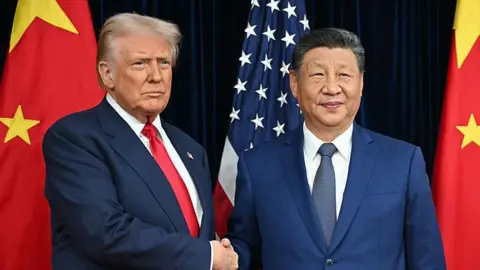
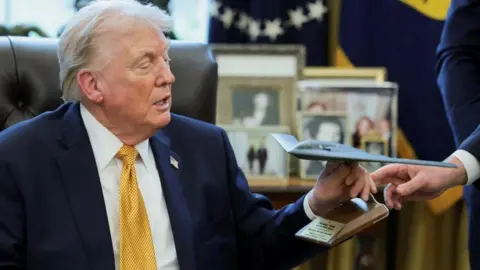
Conversely, US President Donald Trump seemed unconcerned about the treaty’s end, suggesting that a better agreement could be reached in the future. Meanwhile, both nations are modernizing their nuclear arsenals amidst a backdrop of China’s growing capabilities, leading experts to believe a new arms race could already be underway.
With nations developing cutting-edge weapons technology, including long-range hypersonic missiles and new autonomous nuclear-capable systems, the likelihood of achieving a new arms control agreement appears slim. As more states seek nuclear deterrents, this evolving military landscape complicates the prospect for future peace.