Himalayan Monal’s Voice Shifts Under Human Onslaught
Over the past five years, researchers from Uttarakhand have mapped two unsettling trends in the life of the Himalayan monal – the region’s iconic pheasant and a living emblem of the northern Indian hills. The bird is not only ascending higher up the slopes as its familiar alpine meadows are crowded, it is also tweaking its song to pierce the chorus of human traffic.
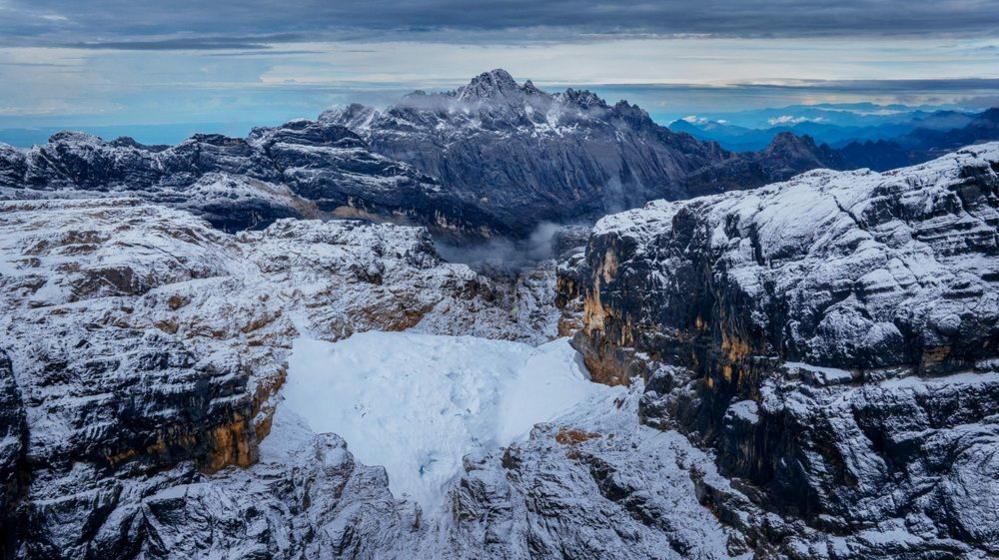
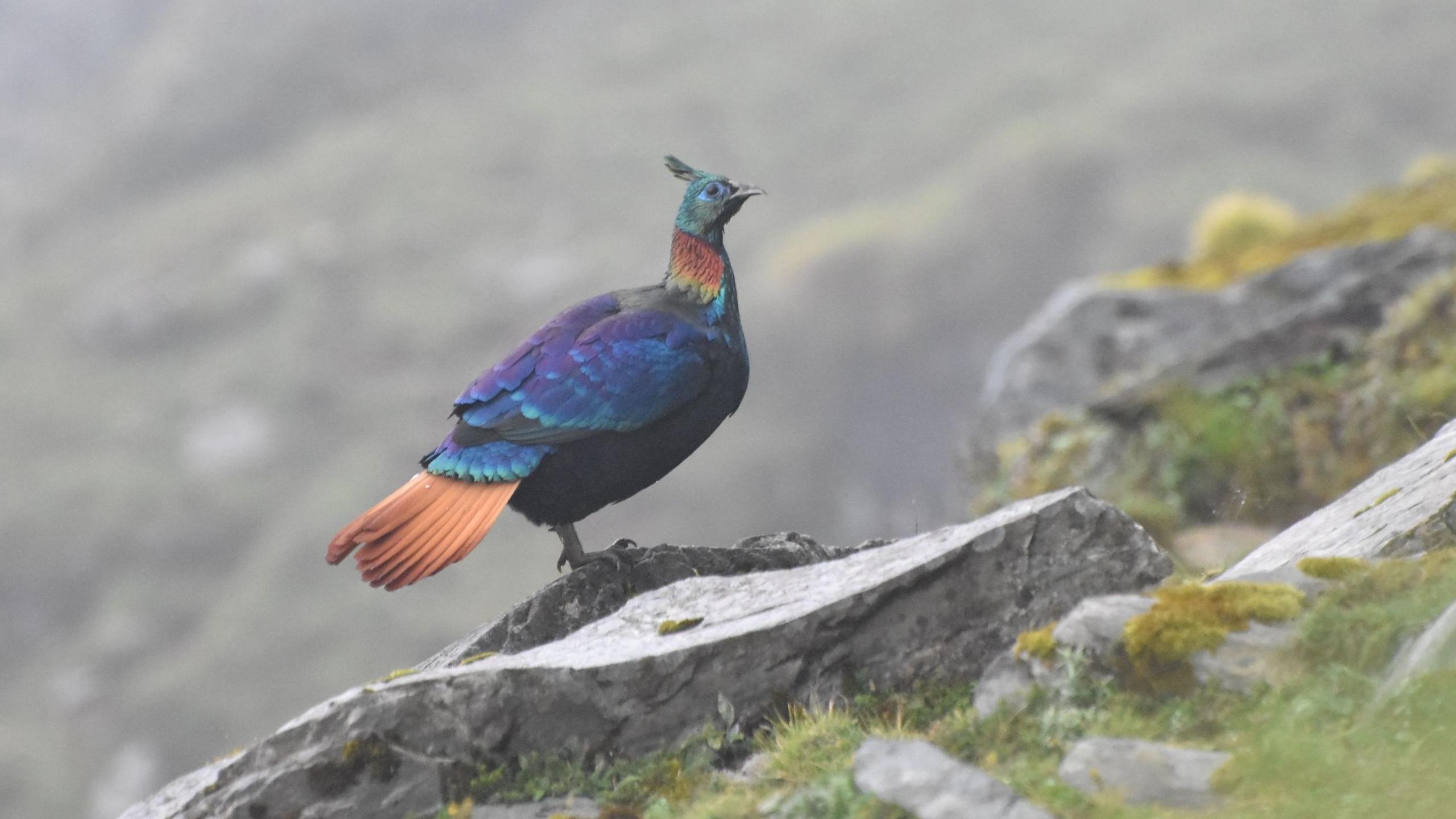
The monal, whose brilliant plumage has made it the state bird of Uttarakhand and the national bird of Nepal, thrives in the open alpine meadows just above the tree line. This niche habitat is shrinking as road building, resorts and trekking routes spread into the mountains. When scientists examined satellite and field data, they recorded a clear shift of the bird’s distribution toward higher elevations where snow has melted and vegetation has opened up slopes that were once inaccessible.
At the same time, a parallel study monitored more than 700 monal calls across two valleys in the Kedarnath Musk Deer Sanctuary – one in the tourist‑heavy Chopta and the other in the quieter Madmaheshwar. Researchers used passive recorders to measure call frequency and duration, discovering that monals in the noisy Chopta produced calls with a higher peak frequency and shorter rhythm than those in the calm valley. The change is subtle enough to be missed by the human ear but measurable by modern acoustic analysis.
"These birds are now slowly moving upwards in the Himalayas as the snow is melting and vegetation is growing, making the area accessible to them," said Dr. Rajeev Lochan, lead researcher. "They are anyway being pushed upwards as their natural habitats in alpine meadows are being encroached upon by humans." The study’s modelling, which drew on Intergovernmental Panel on Climate Change (IPCC) scenarios, projects that the suitable habitat for the monal will continue to shrink and fragment by 2100, threatening the species’ long‑term survival.
"When a species must raise its pitch to be heard over tourist traffic, or climb higher as meadows turn crowded, it reveals how human pressure is rewriting the rules of life in the Himalaya," added Anjal Prakash, a public policy professor at FLAME University. "In listening to the monal, we hear the Himalayas asking for space, silence and care."
The two studies together present a cautionary tale about the cumulative toll of unchecked tourism, unregulated infrastructure and climate change on a fragile mountain ecosystem. While the monal’s vocal flexibility suggests short‑term behavioural adaptation, the long‑term ecological consequences remain uncertain. Scientists urge that economic expansion in the region be aligned with robust conservation strategies, lest the very animals that give the Himalayas their character are silenced by progress.