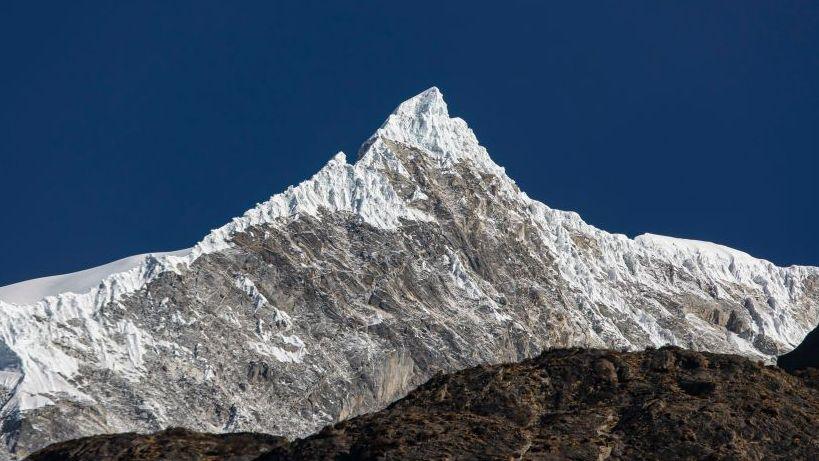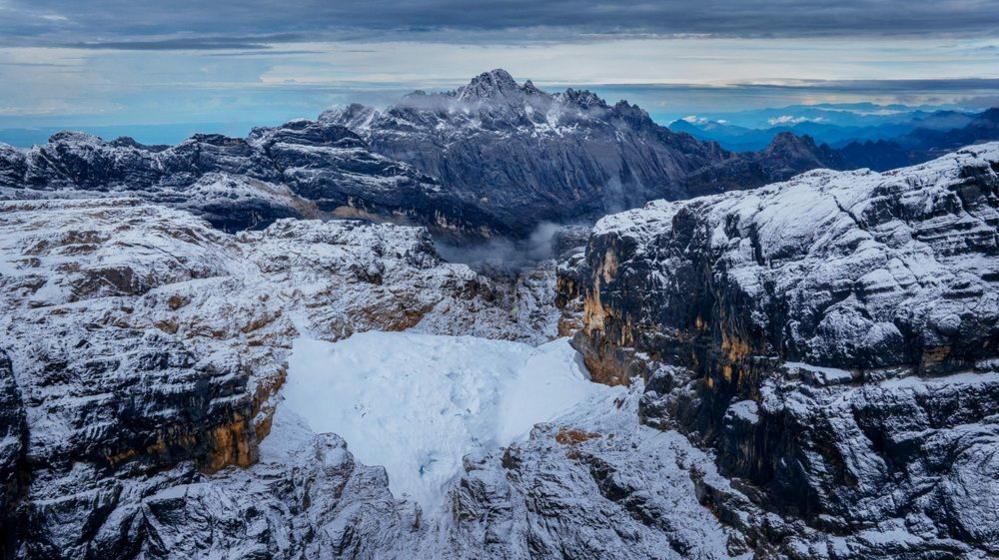
The snow‑capped peaks of Papua, located well north of Australia, have long been known as the world’s last tropical glaciers. For centuries they provided a living archive for climate scientists and a spiritual focus for local communities. But the global climate crisis is unmaking that legacy, leaving only a handful of ice patches on Puncak Jaya and a 95% loss of glacier area since the early 2000s.
Glacier cover once spanned nearly 1,900 hectares in the 19th century. Today, the ice mass is reduced to a thin veneer of 16 hectares—roughly the area of a football field— and is expected to vanish within the next couple of years.
An archive of the past now disappearing
“The tropical glaciers in Papua are separated from other glacier systems by thousands of kilometres,” notes Czech glaciologist Marie Šabacká, who visited the range in March. Ice cores extracted from Puncak Jaya carry data on atmospheric conditions that predate satellite era, providing clues on ocean warming over the tropical Pacific, a critical component of global climate patterns.
All that history is vanishing before we can finish reading it.
As temperatures climb, the freezing line retreats uphill, and precipitation that once fell as snow now falls as rain even at the highest elevations. El Niño events accelerate this process, while local factors such as cloud cover and snow‑pack geometry modulate the decline.
A spiritual anchor in peril
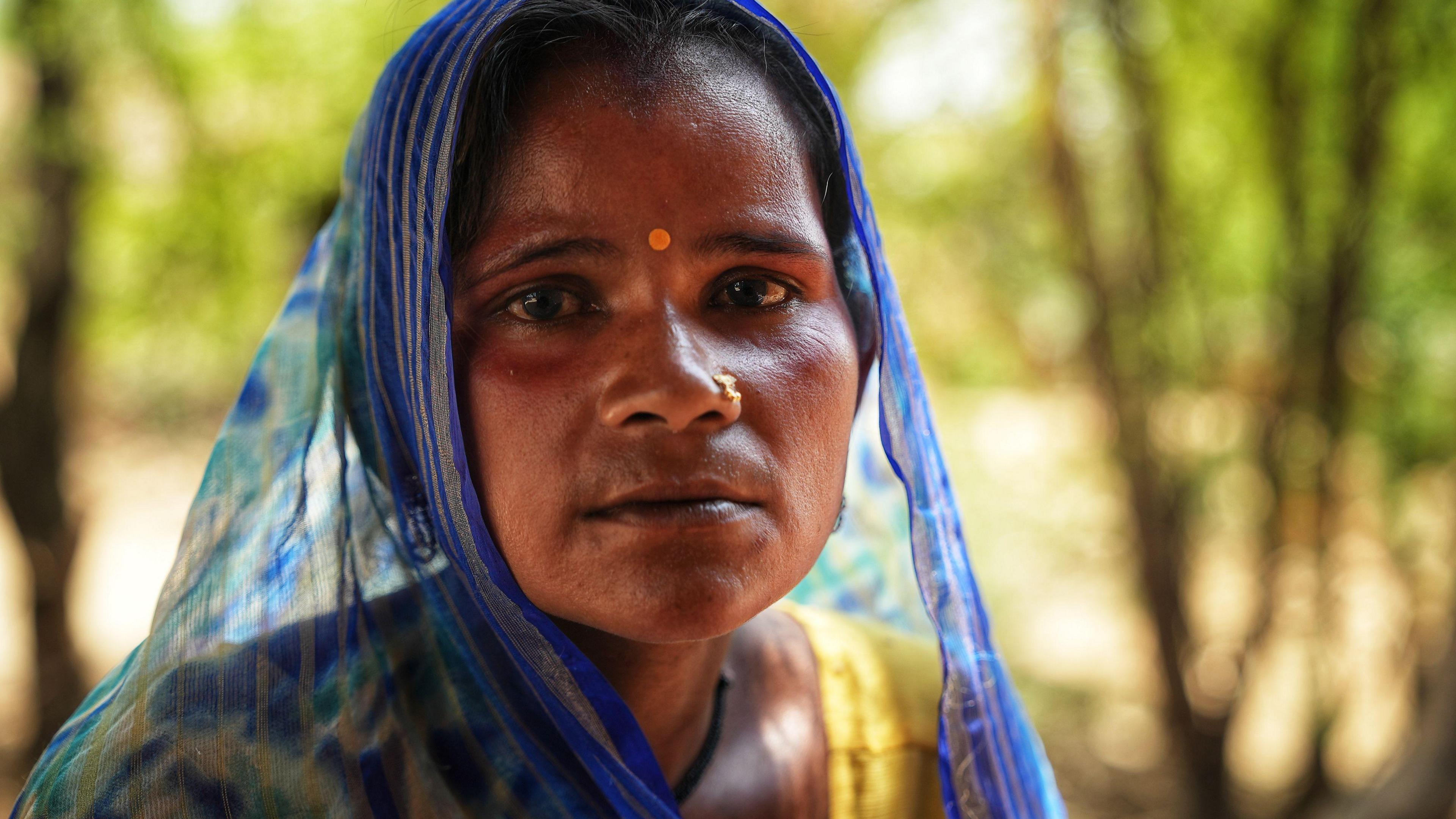
For the Moni and Amungme peoples, Puncak Jaya—called Mbainggela and Nemangkawi—represents a living deity. Its white snow is tied to cultural values of honesty, purity and moral integrity. Aboriginal activist Adolfina Kum argues that the loss of the mountain’s emblematic snow is akin to the destruction of Mecca or the Vatican.
Elfrida Natkime of the Amungme explains, “When we see the ice melt, it feels like the roots of our tradition are being pulled out. Once the roots are gone, the tree loses its foundation.”
Climate science, mining and the future
The region’s major copper‑and‑gold mine, operated by FreePort, has reshaped the landscape, creating roads and buildings that cut into mountain faces. While development promises jobs and education, it also brings environmental degradation and long‑term social conflict, as tribal members lose ancestral access to their lands.
As climate scientists rush to set aside the last remaining ice, the dual pressures of atmospheric warming and human extraction underscore a stark reality: the cultural and scientific heritage of Papua’s peaks is being erased.

Further reading: How El Niño and rising temperatures are accelerating tropical glacial melt.