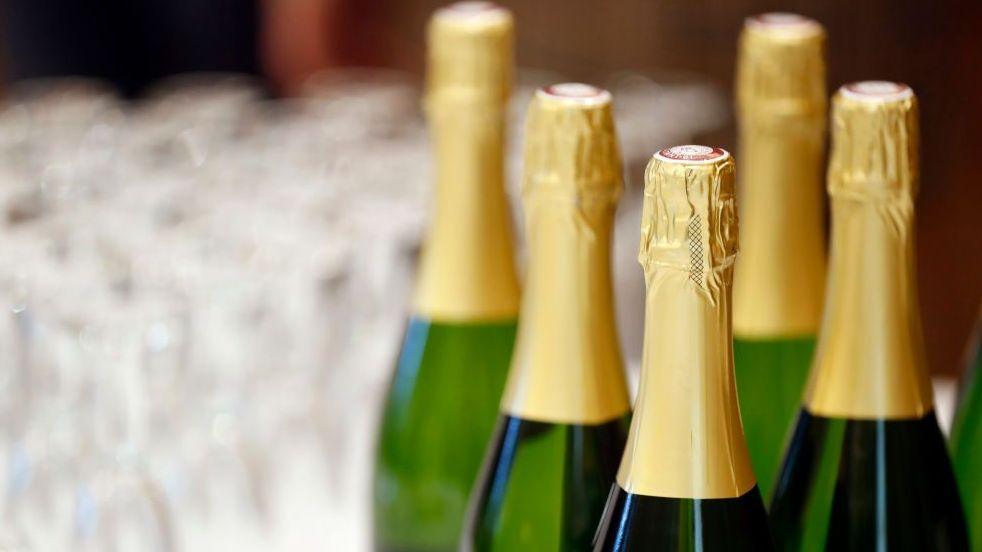
After an unprecedented July, France’s famed Champagne region refreshed its winemaking tradition by allowing a temporary lift in the legal alcohol limit to 15 % for the 2026 vintage, a move made possible by grapes that turned into sweeter, higher‑alcohol wine under extreme heat.
The Comite Champagne, the industry body, confirmed that the change was a one‑off decision applied only this year, because naturally finished wines during the second fermentation would have exceeded the usual 13 % cap, reaching around 13.1 %–13.2 %.
“Because of the record‑sweeping summer, the grapes held unusually high sugar levels, turning into more alcohol when fermented,” said a spokesperson for the association. “Early Harvest: the first grape pick marked the earliest ever recorded in Champagne, a development that may become normal in ten to fifteen years owing to climate change.”
French producers like Stéphane Vignon of Verzenay note that the Mediterranean climate’s northward march is already in play. “This is the first year of a new cycle, unlikely to happen every year, but it will recur,” he said to the Times.
Some experts caution that a stronger sparkling wine will not automatically entice buyers. Wine columnist Jane Anson argued that today’s market prefers lower‑alcohol options, creating a stressful clash between nature’s output and consumer taste. “The battle between what consumers want and what nature provides must carry substantial pressure for producers,” she warned.
The 2026 vintage won’t reach shelves until 2028, as Champagne is required to age for at least 15 months. Yet, the change marks the beginning of a new era where warmer grape harvests and higher‑strength wines may become routine.
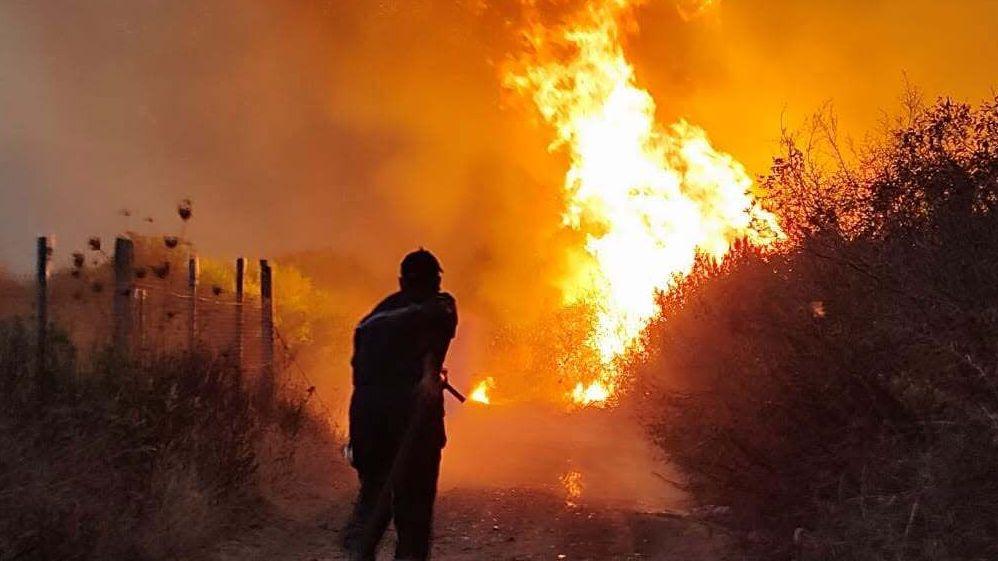
From a wider perspective, France stood as one of Europe’s hardest‑hit nations in 2026’s extreme weather and associated wildfires. The Copernicus climate service updates that Europe is warming twice the global average, making heatwaves increasingly frequent and intense. The Champagne situation underscores the broader, urgent climate shift that challenges producers and consumers alike.