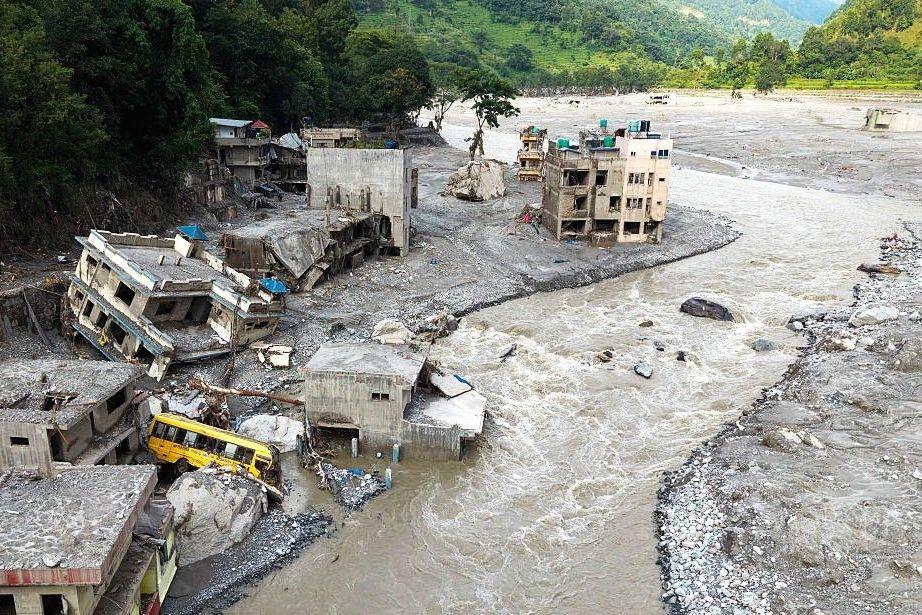
Following the August super‑flood that killed more than 1,400 people, a second bout of heavy rainfall has unleashed a fresh wave of landslides across Nepal’s rugged highlands, pushing the death toll in this latest episode to about thirty.
The torrents have washed away stretch of primary roads, crumbled bridges and buried villages, turning the Annapurna Circuit—an economic lifeline for the country—into a treacherous maze of mud, broken paths and drifting debris. Because the main trails and highways have been rendered impassable, rescue crews have been forced to depend on helicopters to ferry trekkers back to safety.
Hundreds of hikers from the Manang and Mustang districts, whose journeys normally span three weeks, were air‑lifted after they could no longer navigate the collapsed routes. In the same districts, more than 1,900 families report personal or property damage, and authorities have boarded up key passes to prevent further casualties.
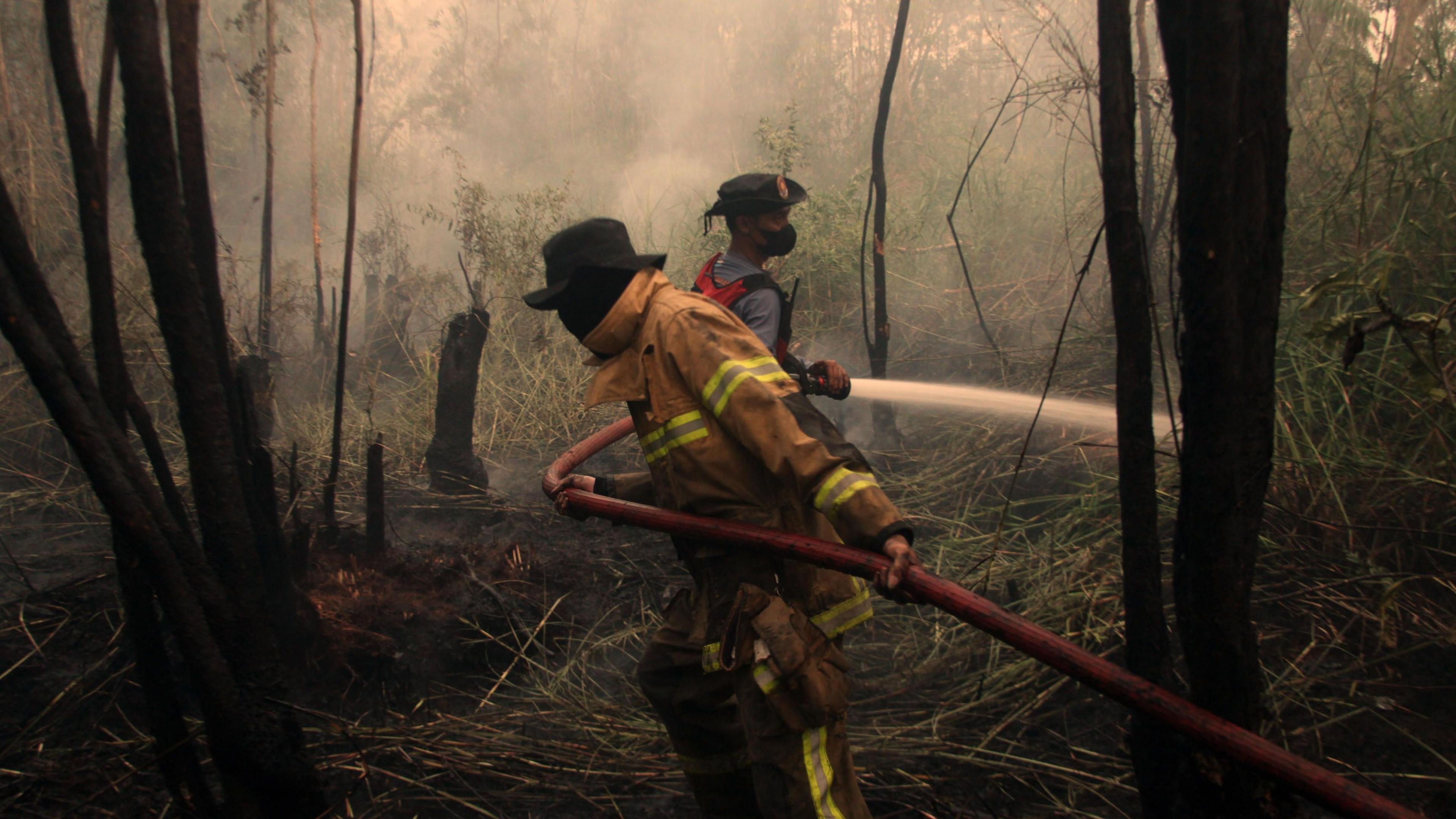
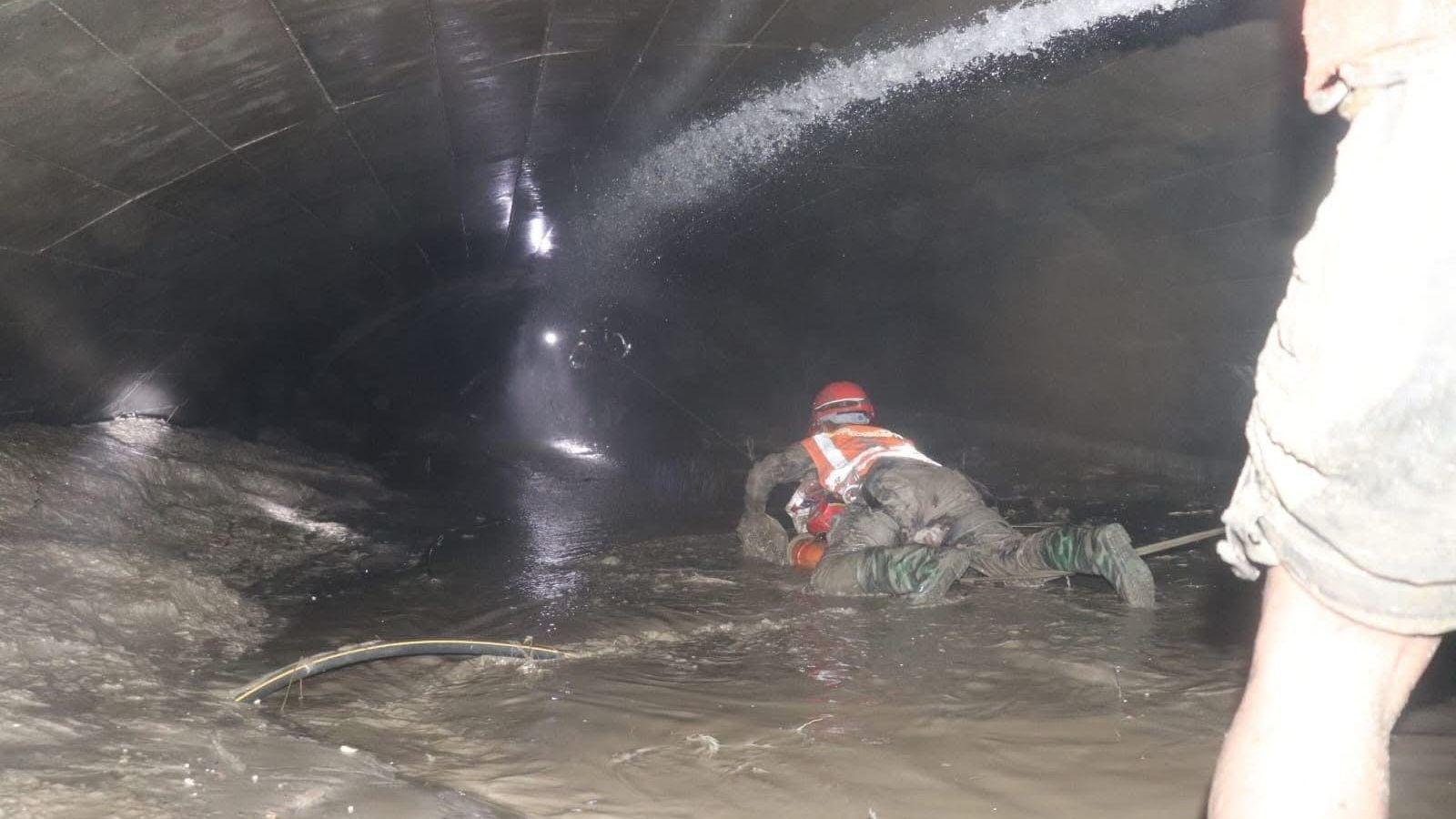
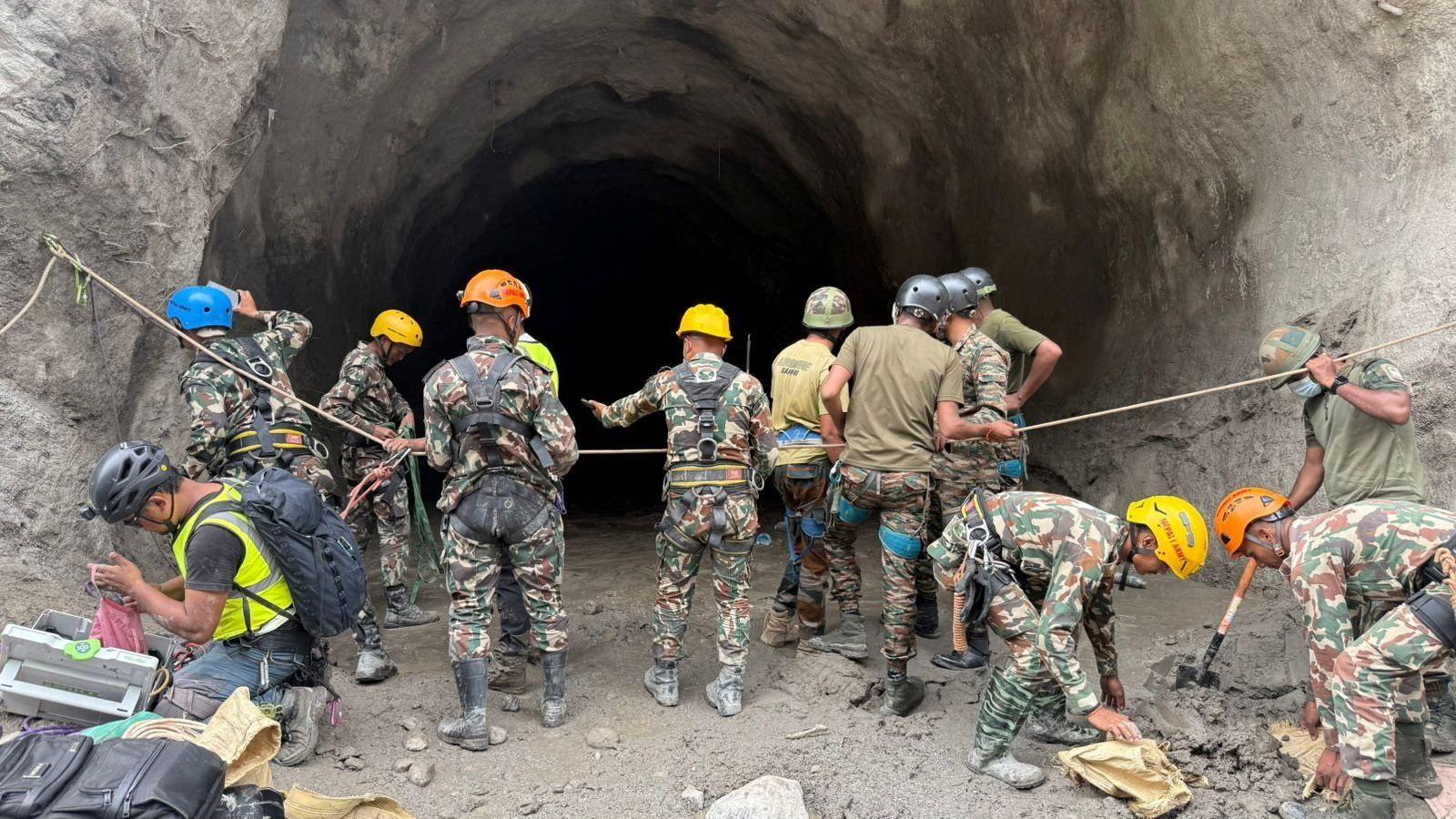
Firefighter and medical teams, aided by local volunteers, are clearing broken bridges and working to restore river flow blocked by compound landslides. In Chame, a village that had to evacuate last month, rescuers have spent nights in the jungle before repairing biodiversity corridors across a partially dammed river.
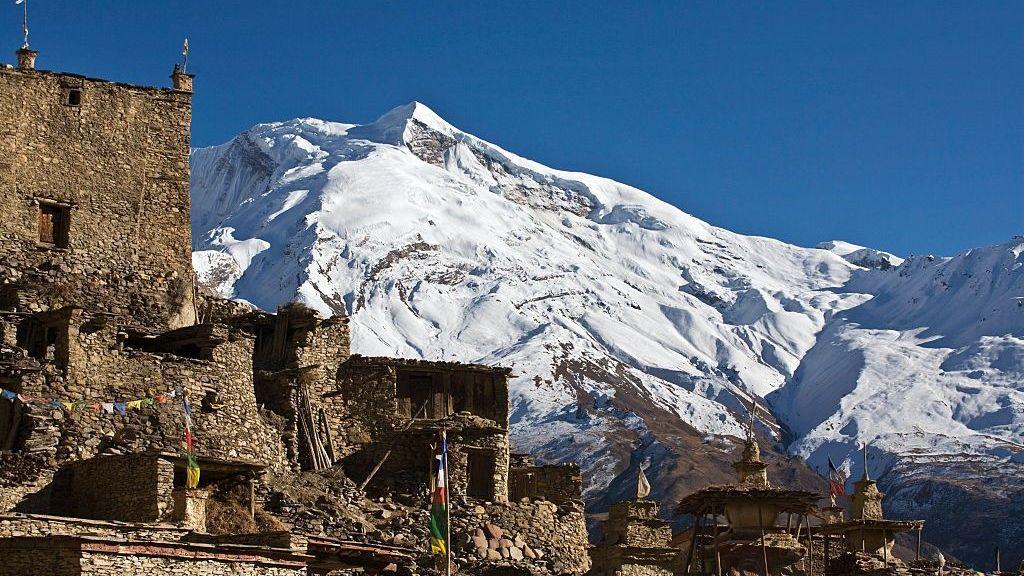
Although no fatalities have been confirmed directly in the trekking region, four bodies were recovered from an avalanche at the base of Himlung Peak, and 12 people remain missing in the remote area surrounding the western frontier with Tibet. The Annapurna Conservation Area Project has halted new trekkers from entering the circuit until safety can be assured, though some Indian pilgrims are still directed via air transport from Jomson to Pokhara.
The unfolding crisis underscores the precarious balance between tourism and natural hazards in Nepal’s high‑altitude communities, as climate‑driven weather patterns continue to amplify the threat of sudden, devastating landslides.