In brief
The 2026 flash floods along the Nepal‑Tibet border have left 1,200 people dead and many more missing. The eastern highlands, still bearing the scars of shattered villages and mud‑clogged roads, now look to international aid and national funds for rebuilding. The government estimates billions in reconstruction costs, while alarmingly high flood‑risk infrastructure points to the urgent need for climate‑resilient upgrades. As Britain and other donors weigh their roles, Nepal’s path to recovery will hinge on cooperation, transparent spending, and a renewed focus on early warning systems. The story follows reporter Azadeh Moshiri on the ground, capturing the human toll and the logistical challenges ahead.
Helicon Valley, Nepal – In the immediate aftermath of the deadly flash floods that struck the Nepal‑Tibet border in late August, the country’s infrastructure remains wrecked and its people are grieving. Local officials and aid agencies now face an enormous rebuilding task: a cost estimate running into the billions of dollars.
The floods, triggered by a chain of storms that scientists are still dissecting, claimed more than 1,200 lives and left countless others missing. Communities that once were easy to reach are now isolated behind the debris of collapsed bridges, paved roads that have been turned into rivers, and entire villages that have been buried under layers of mud.
BBC South Asia correspondent Azadeh Moshiri is in the field documenting the scale of damage and the urgent need for external support. Her reports show ruined homes, snatched antennas, and a palpable sense of despair that has become a new normal for the affected residents.
Government officials say that immediate priorities include restoring water supplies, re‑establishing transport links, and preventing future flash floods through better flood‑control infrastructure. The national budget will need a boost, but a significant chunk of the money must come from international donors. Aligned with the Climate Action Fund, Nepal is also pushing for climate‑resilient rebuilding, including safer housing designs and robust early‑warning systems.
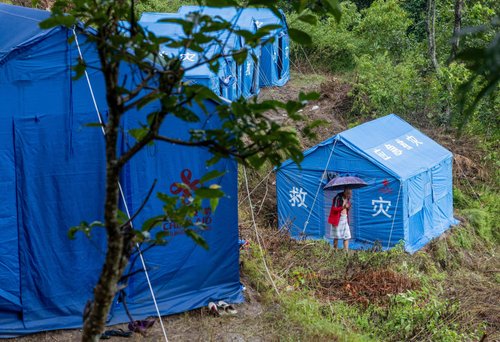
In the meantime, humanitarian groups are working to clear debris, distribute food and medicine, and provide temporary shelters to those whose homes were lost. As the country rallies together, the 2026 flood disaster serves as a stark reminder of the intensifying climate crisis and the importance of solid investment in disaster preparedness.
The journey ahead for Nepal will require cohesion between local authorities, international donors, and civil society, making sure funds are used efficiently to rebuild and fortify communities against future climatic shocks.