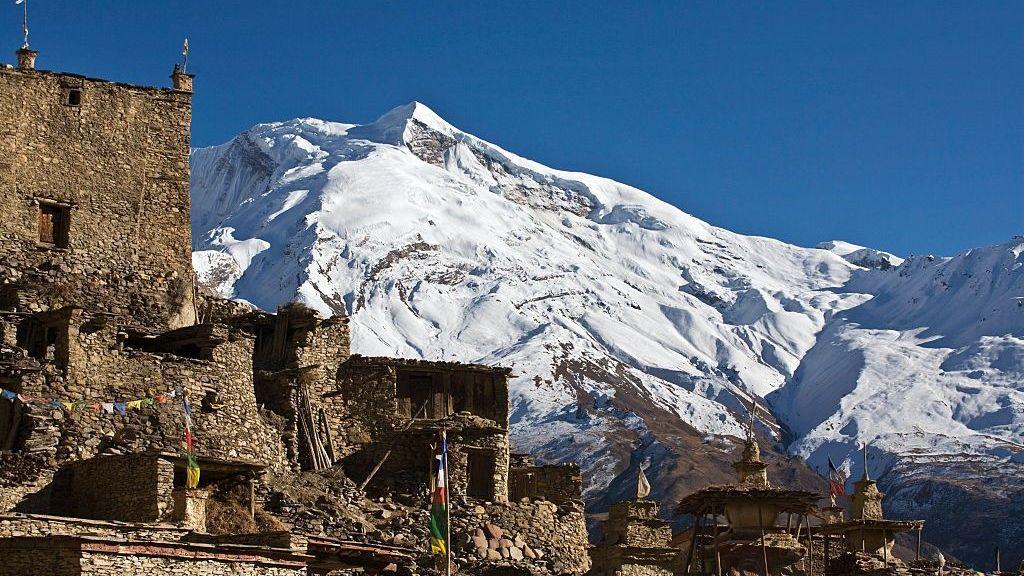
Early on Sunday, a deadly avalanche slammed into a climbers’ staging point near the 7,126‑metre Himlung Himal in Nepal’s Manang district, leaving at least ten local guides missing.
Organisers of the expedition, led by Bibhuti Chand Thakur of Himalaya Holidays Trekking, confirmed that eight members of their own team and two from another company were unaccounted for after the snow slide.
Heavy snowfall in the days preceding the disaster had already warned climbers of treacherous conditions. The peak sits on the Nepal–Tibet border, and its surroundings have seen persistent rain and snow that are now turning into lethal avalanches.
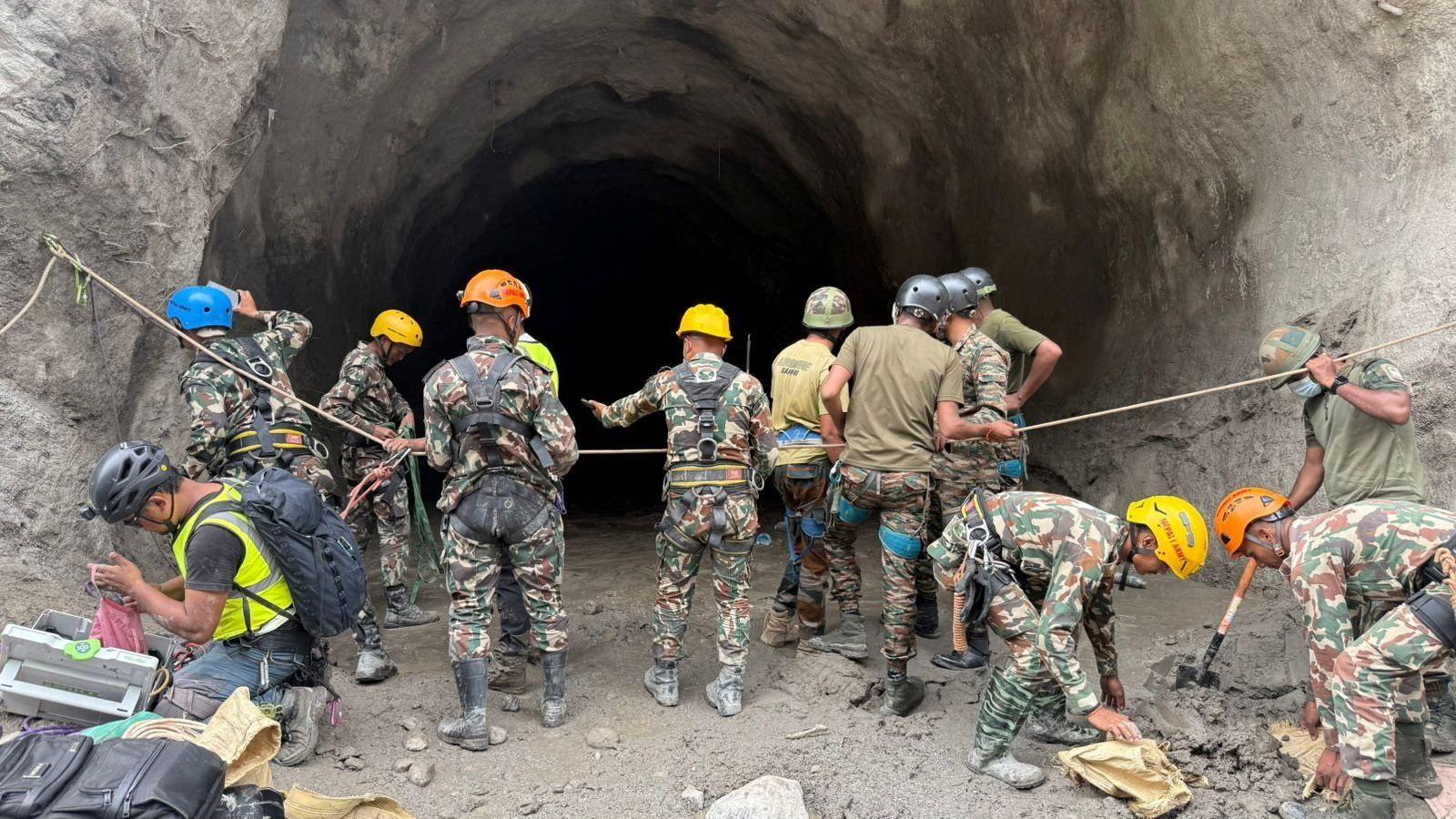
Emergency crews were hampered by clouds, and helicopter access to the remote valley was impossible, leaving search parties to walk through unstable terrain.
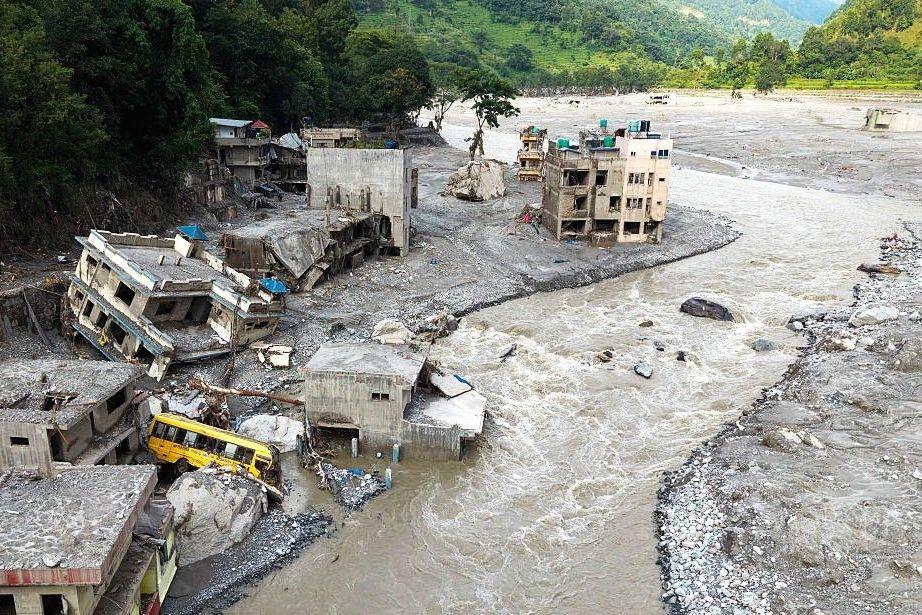
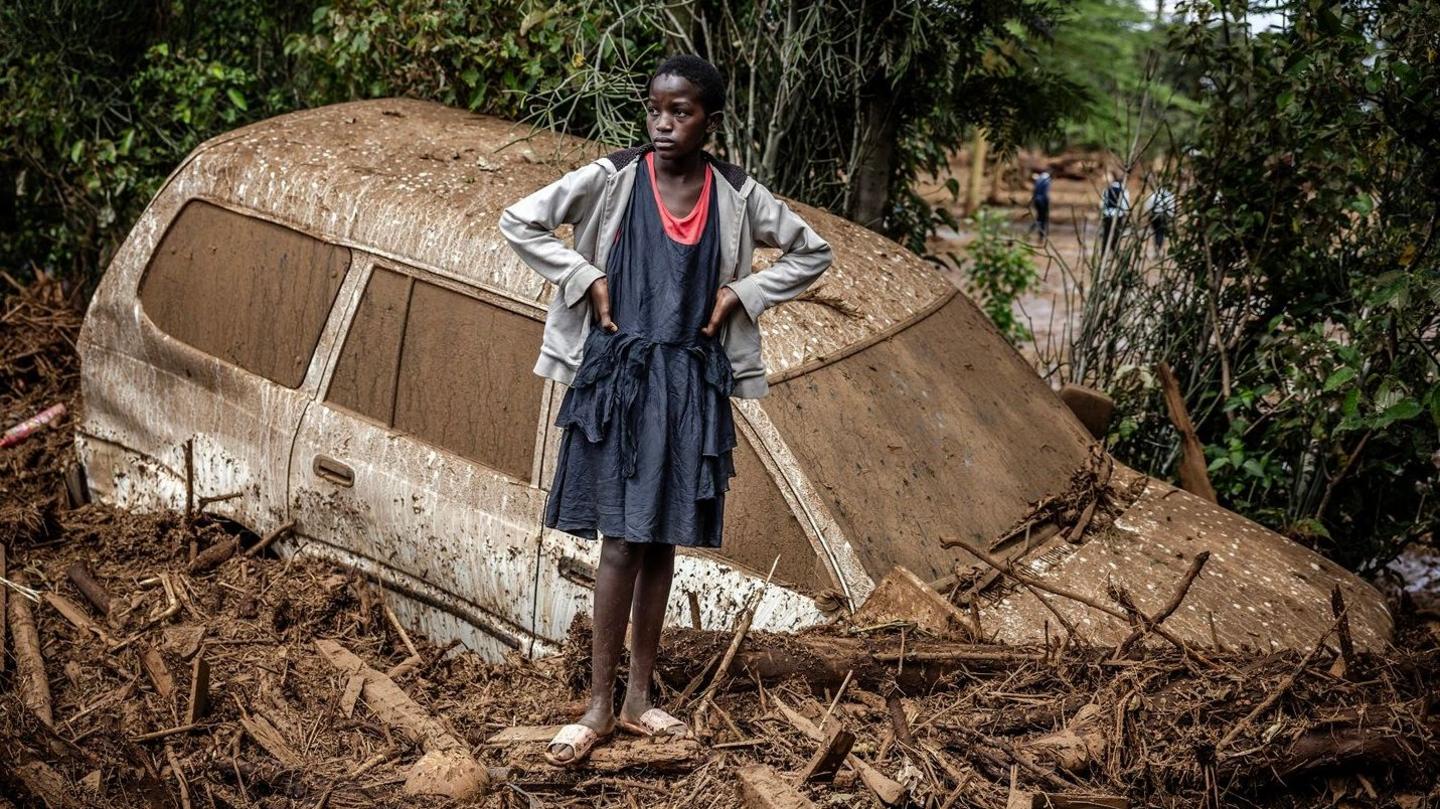
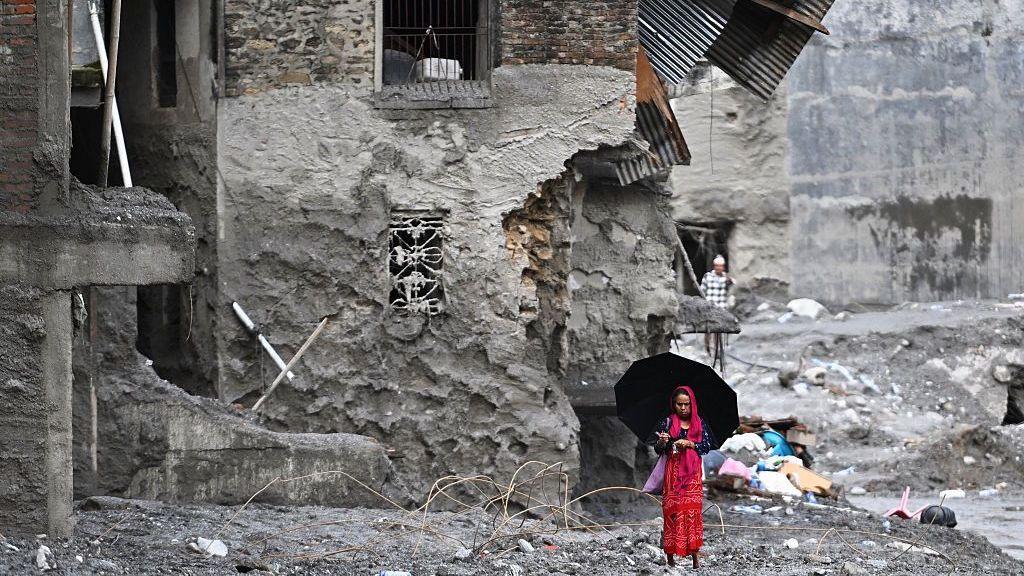
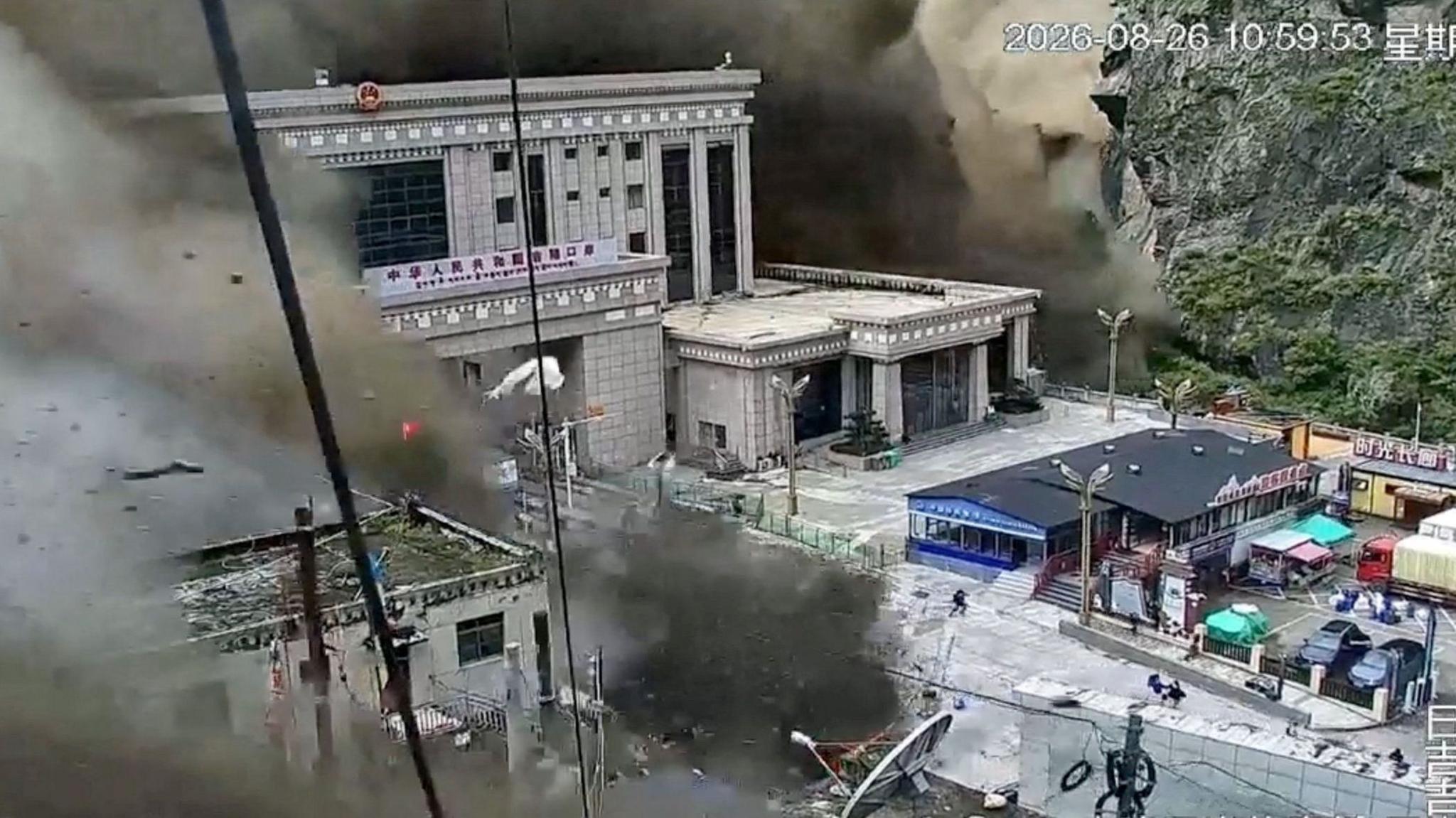
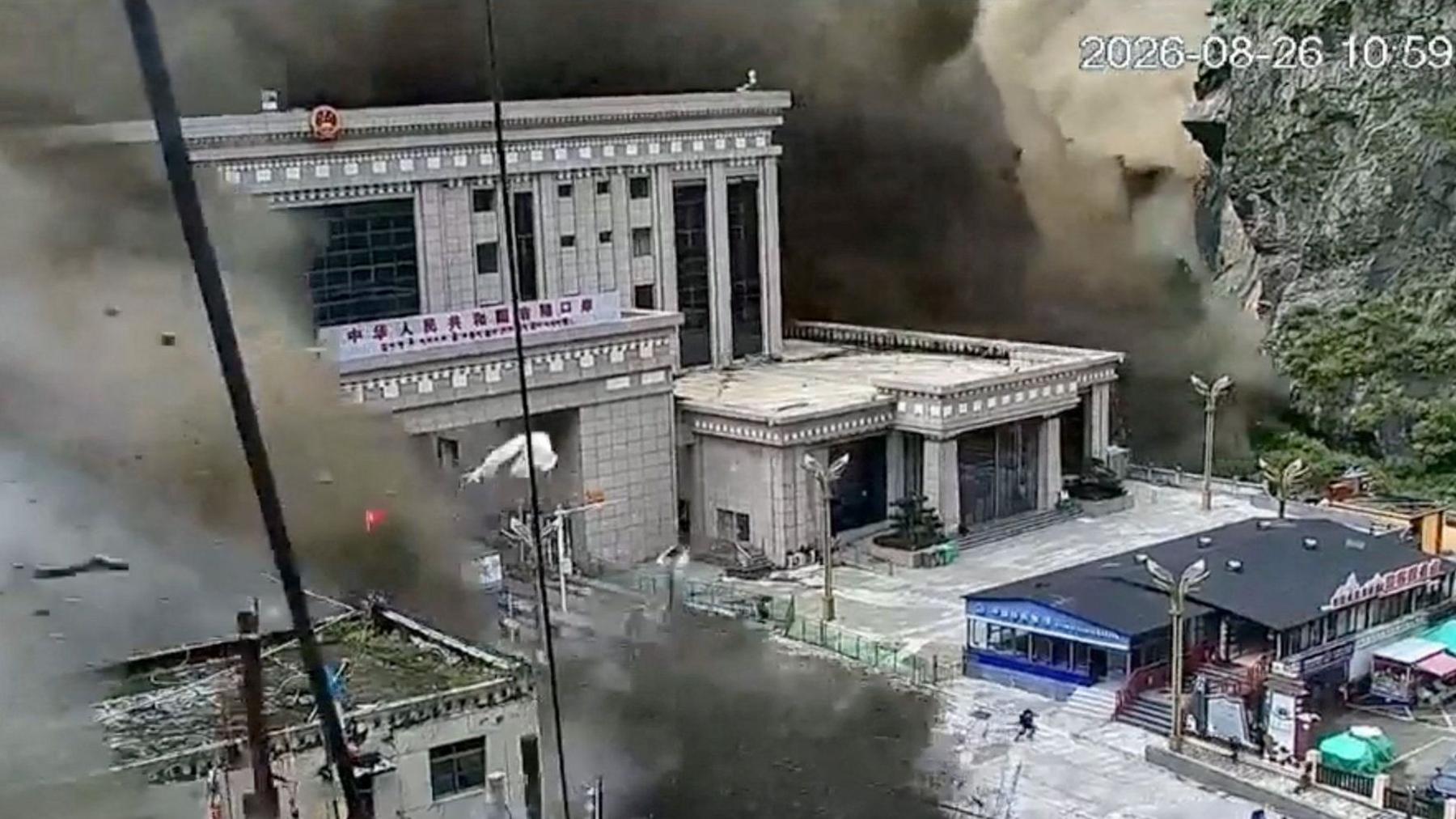
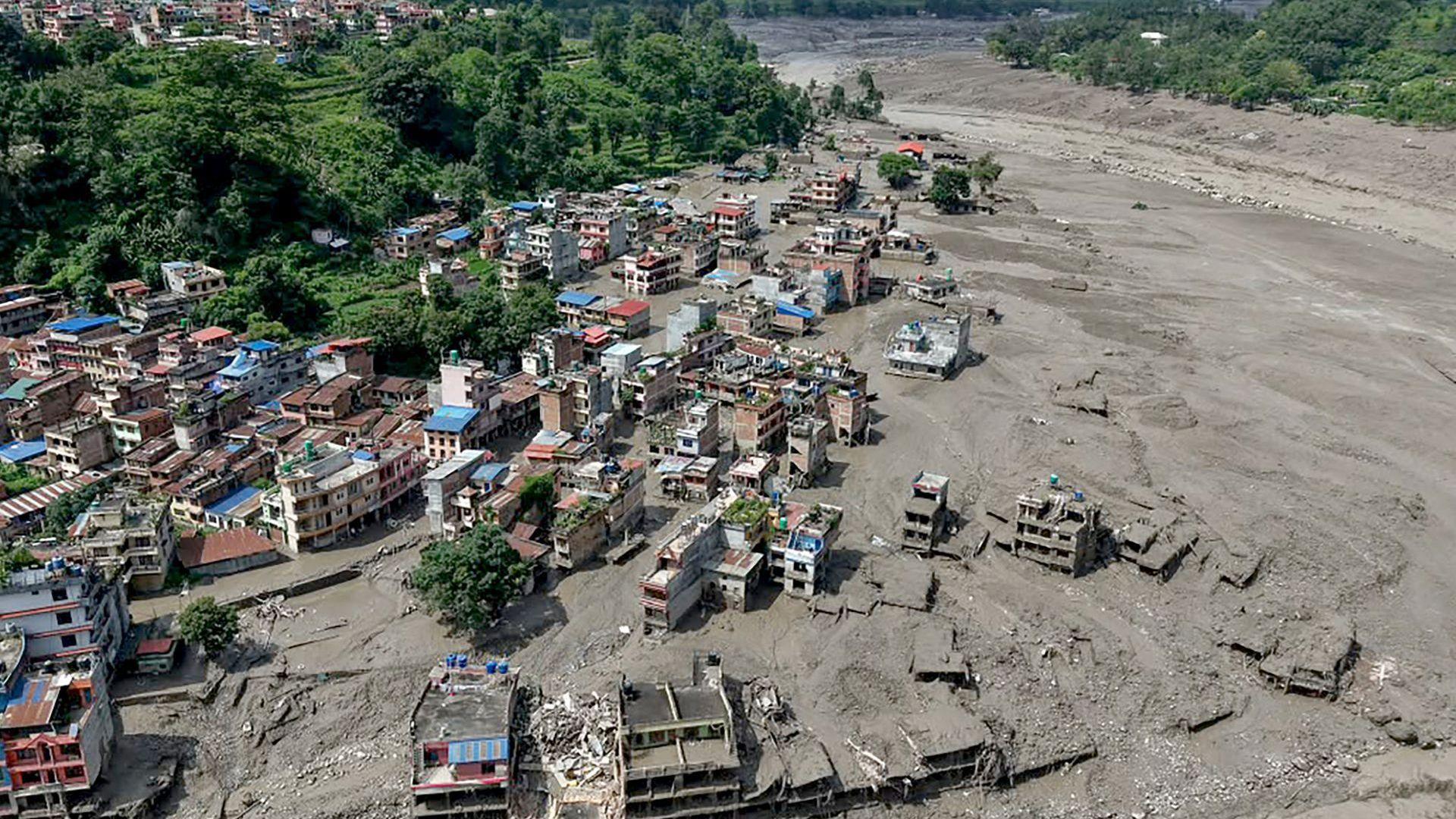
This catastrophe follows other recent Himalayan tragedies, including the Broad Peak loss of six climbers, and recalls the massive August flood that left more than 6,000 people missing in the same region.
The Nepal tourism industry, heavily reliant on mountaineering, now faces the challenge of restoring safety protocols amid increasingly unpredictable weather patterns linked to climate change.