Avalanche Claims Two Lives, Leaves Dozens Missing in Nepal Himalayas

Rescuers have recovered two bodies from an avalanche that struck a climbing base camp on Himlung Himal peak in Nepal at around 10 a.m. today.
At least a dozen members of the expedition remain missing, a number that could rise as teams continue to search amid worsening mountain weather.
The group – composed of Nepalese nationals, climbers and support staff – had been sent ahead of international teams to prepare the site and secure ropes for the ascent.
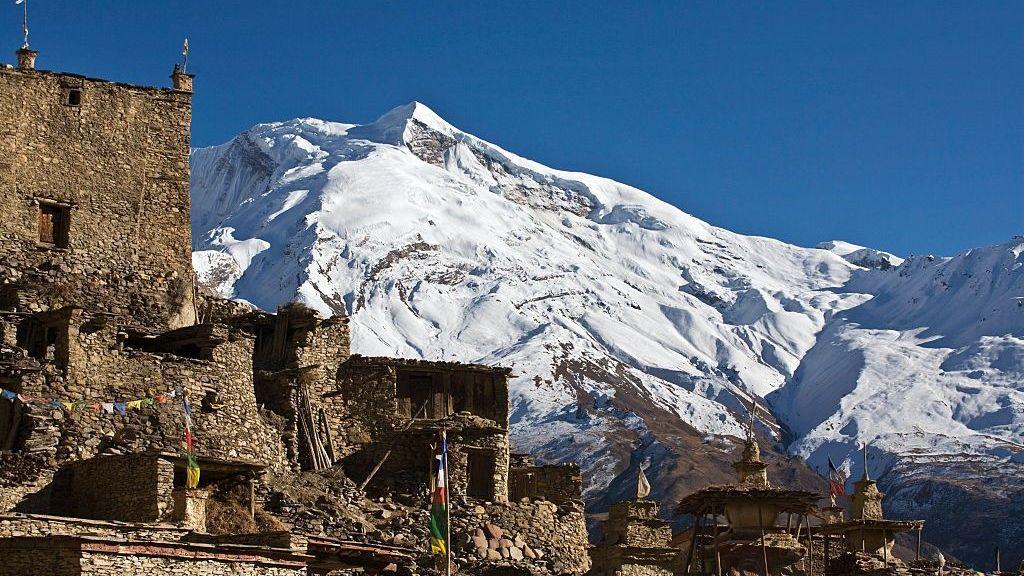
Predictors had warned of heavy snowfall around the 7,126‑meter peak, which sits on the Nepalese border with Tibet, before the snow sheet descended.
Strong winds, low visibility and a thick blanket of snow hampered helicopter flights, preventing rescue crews from reaching the base camp until recently.
Bibhuti Chand Thakur of Himalaya Holidays Trekking told AFP that at least eight members of his team have been reported missing, while the exact headcount of the unaccounted climbers remains unclear.
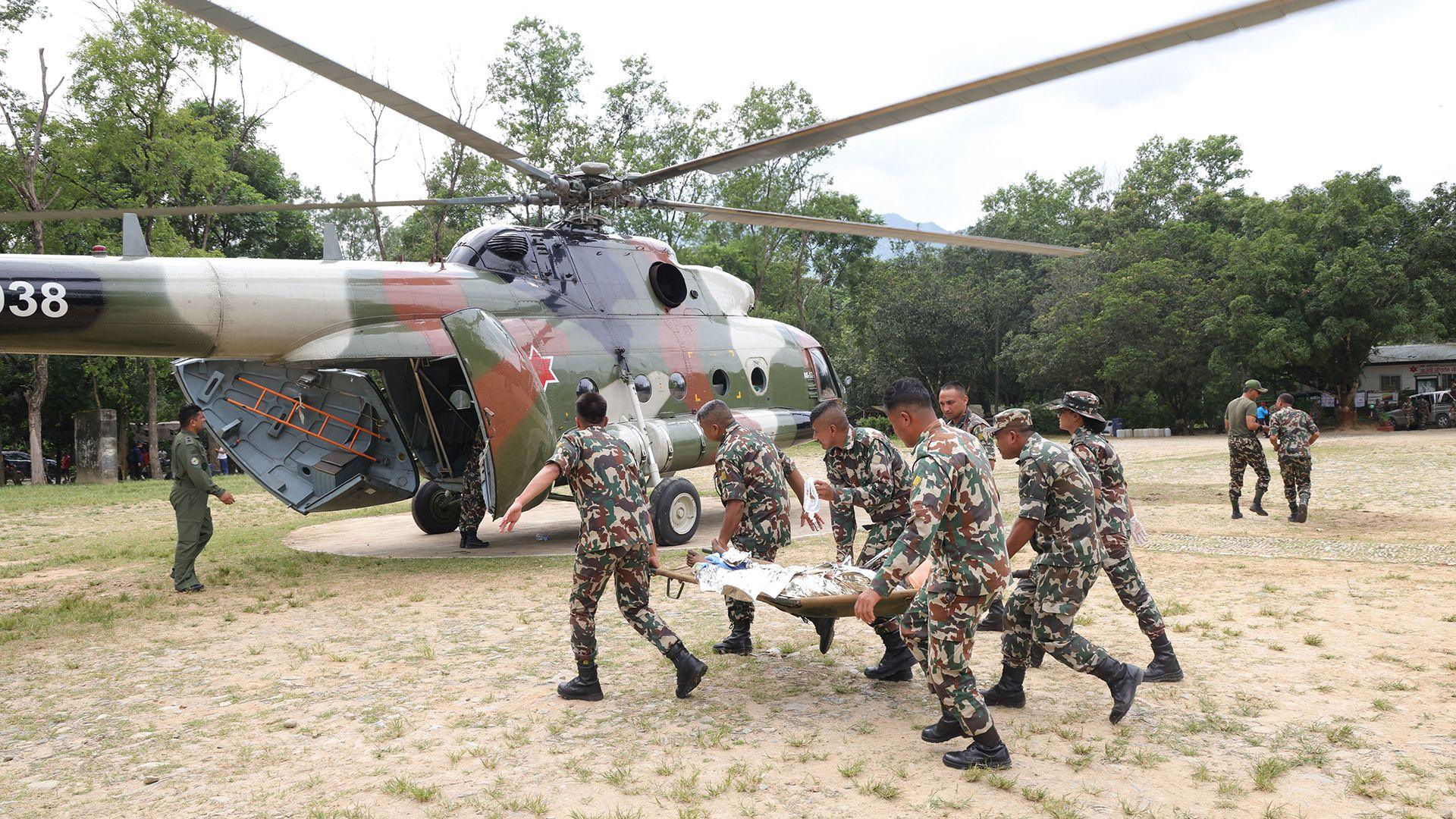
Helicopters from Kathmandu were dispatched with an experienced mountaineering crew, but crews are expected to resume Search and Rescue on Monday as snow and weather conditions persist.
The incident underscores the volatility of Nepal’s climbing season, where unpredictable weather has forced climbers off peaks such as Mount Manaslu this week and threatened popular routes on Himlung.
This tragedy follows the recent loss of six climbers on Pakistan’s Broad Peak, among them famed British‑Nepali mountaineer Nirmal Purja, highlighting a string of fatal incidents across the high‑alpine zones.
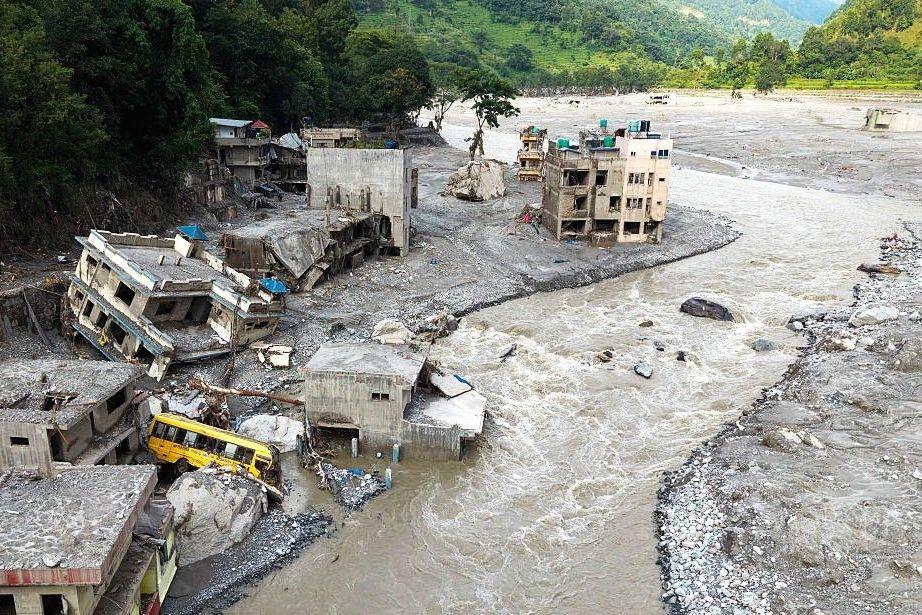
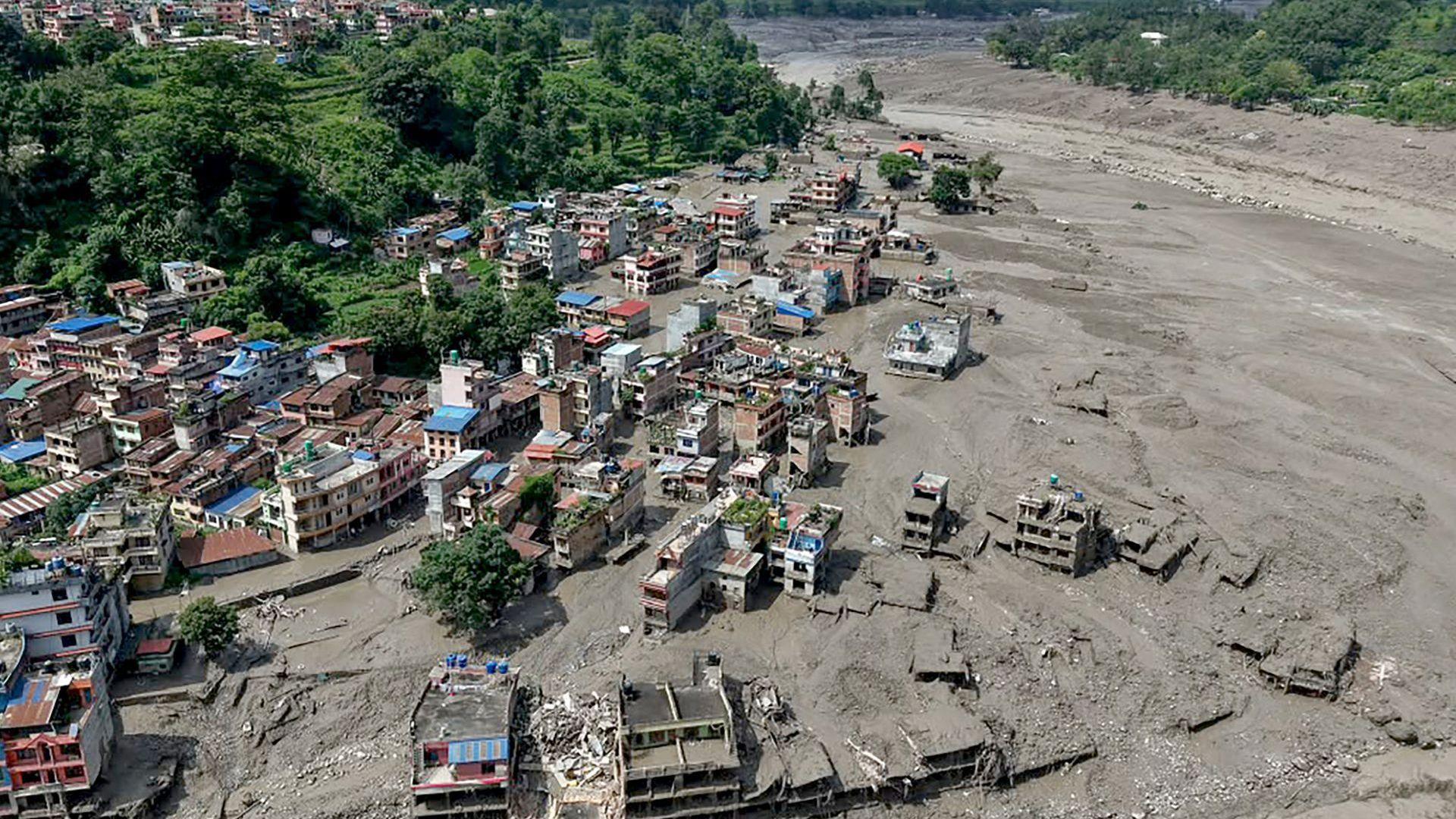
In the broader region, August’s massive glacial flood on the Nepal‑Tibet frontier left over 6,000 people still missing and killed more than 1,400 people in a single event. The same month, heavy rains in Uttar Pradesh, India, resulted in more than 50 deaths, and Bangkok was declared a flood emergency amid persistent downpours.
As the world grapples with an intensified El Niño cycle and shifting monsoon patterns, the mounting dangers to high‑altitude expeditions signal a need for improved early‑warning systems, stronger emergency protocols, and a re‑evaluation of tourism practices in fragile mountain environments.