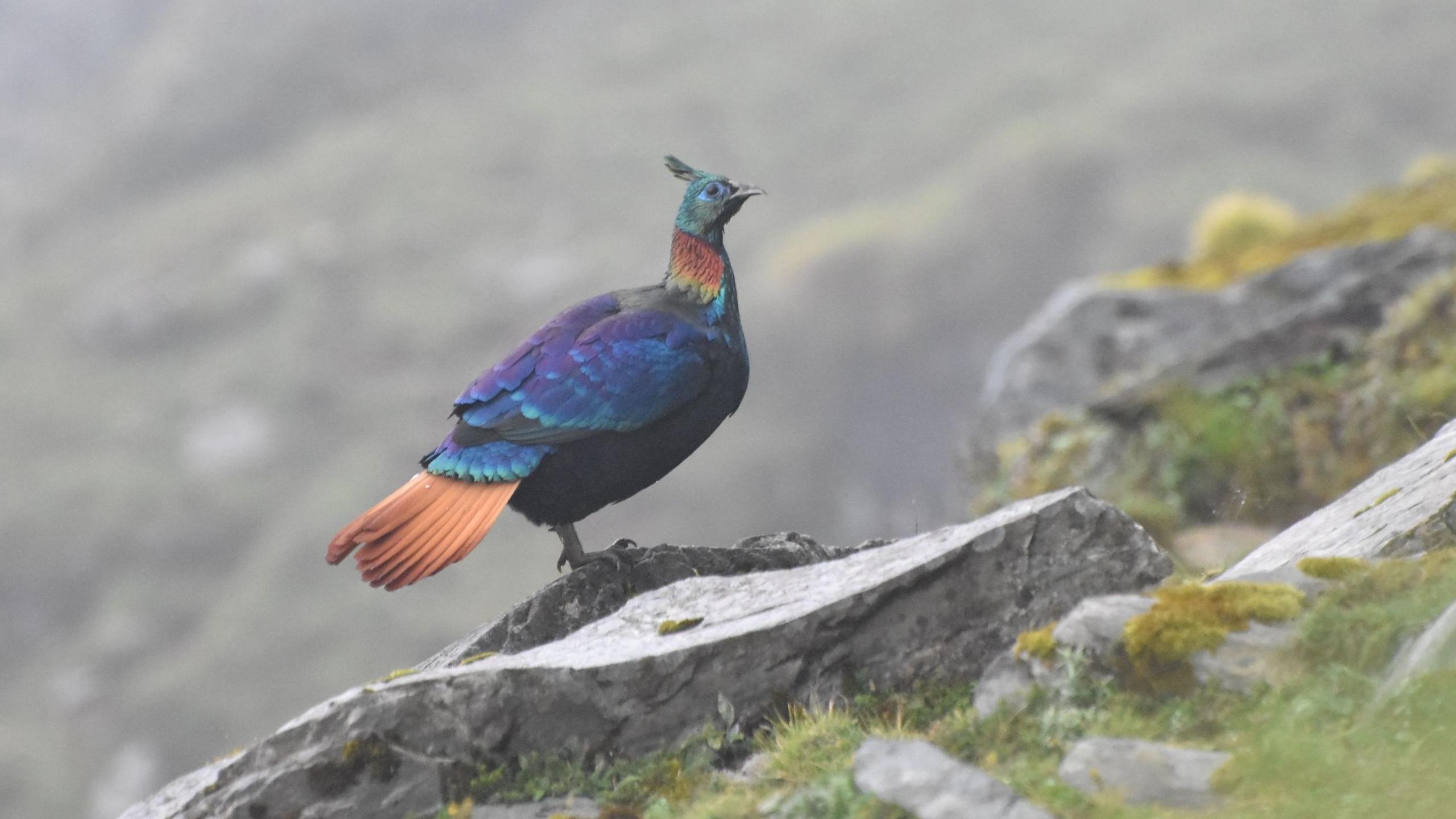

The high‑altitude monal, known for its iridescent feathers, is facing a new challenge as human footprints expand into the Himalayas. Over a five‑year span, researchers traced two parallel shifts: the birds move higher in the mountains and the notes they use to attract mates rise in pitch.
A key cultural symbol, the monal holds sacred status in Uttarakhand and Nepal, yet its pastiche of color and song is now being altered by traffic noise and burgeoning tourist trails. Dr Rajeev Lochan of Garhwal University explains that the species’ narrow range between lower montane belts and alpine meadows makes it a useful barometer of ecosystem health.
The first study charts how climate scenarios forecast a continued decline of suitable alpine pasture, pushing the monal toward higher elevations that may become smaller and fragmented. This could reduce breeding opportunities and heighten extinction risk.
The second investigation, based on 700 recorded calls, shows that birds in the busy Chopta valley produce higher‑frequency, shorter calls than those in the quieter Madmaheshwar valley. The adjustment allows the monal to communicate above low‑frequency traffic noise, but it may alter courtship success and social interactions.
These findings suggest a broader ecological tremor: species are modifying behavior to survive amplified human pressures. Conservationists argue that tourism growth must align with ecological integrity, lest the very species that paint the Himalayas also lose their voice.
Listening to this colorful bird now reveals a call for space, silence, and stewardship of the mountains.