Hamas Must Disarm for Israel Withdrawal—A Hopeful Yet Precarious Plan
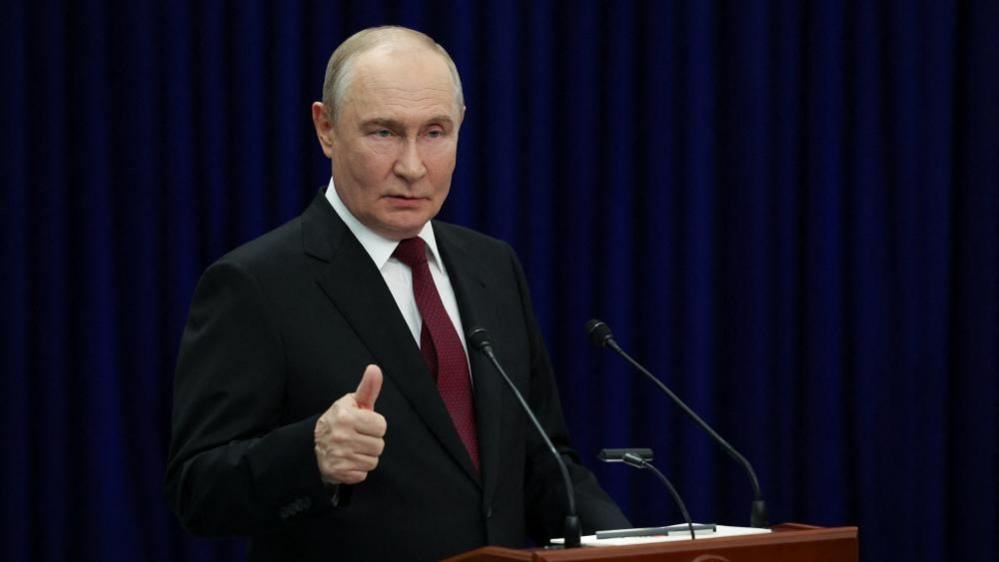
A recent diplomatic package—proposed by U.S. President Donald Trump—calls for Hamas to surrender all weapons in exchange for Israel’s complete withdrawal from the occupied territories of Gaza. This is the first time Hamas has publicly agreed to disarm, signalling a possible turning point in the struggle that has raged since October 2023.
In theory the deal looks simple. In practice, several obstacles threaten its implementation: deep‑seated distrust between the two sides, a war‑scarred civilian population, and a complex geopolitical landscape.
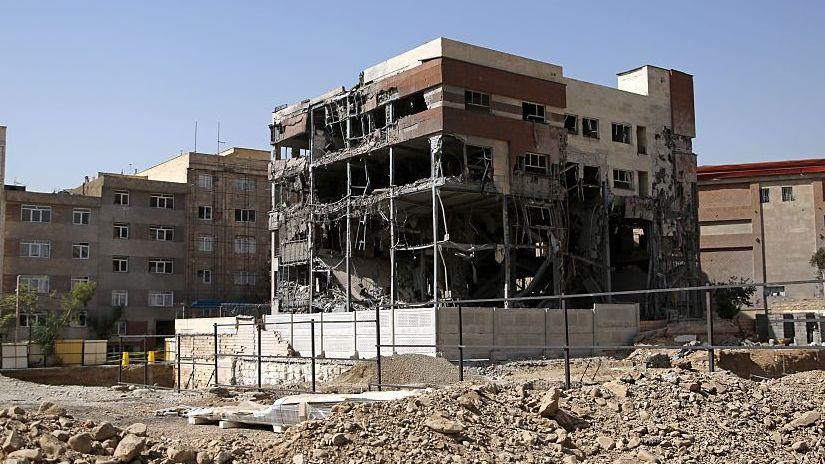
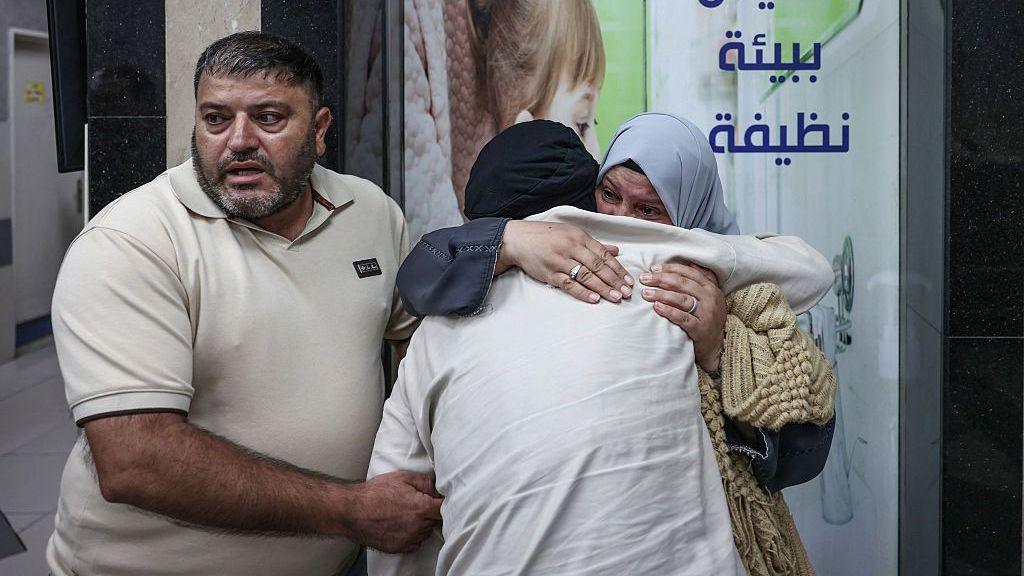
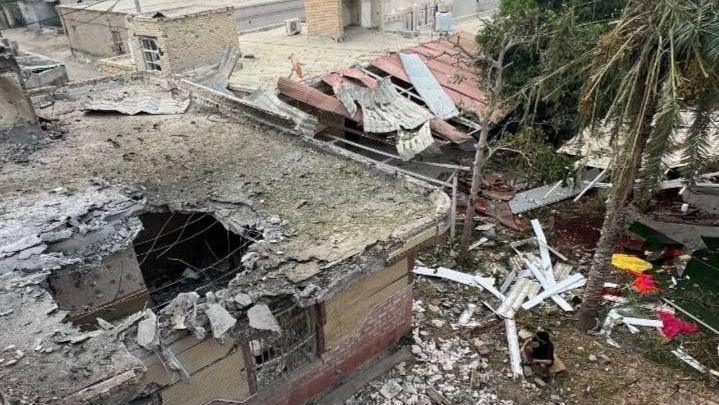
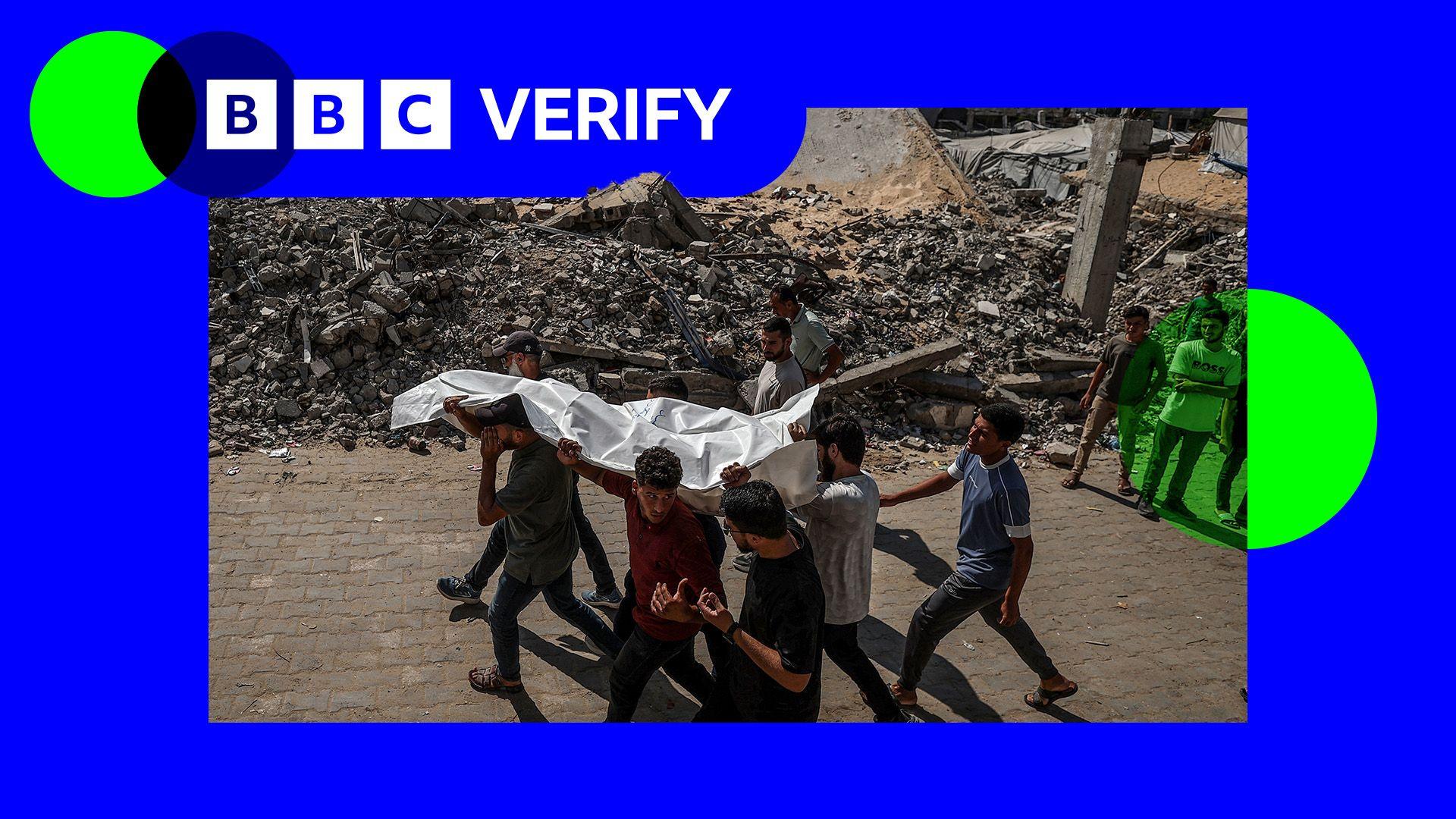
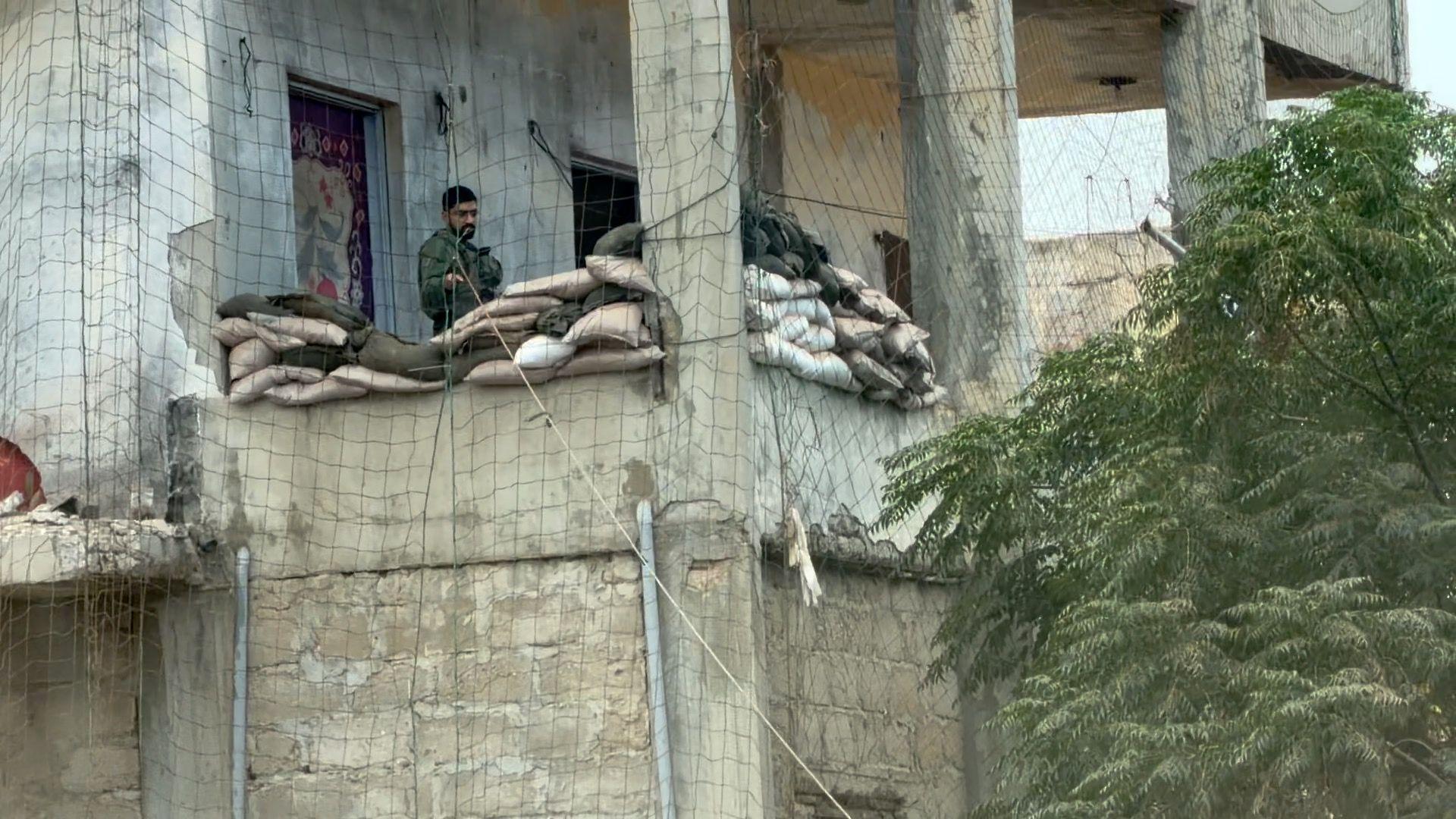
Humanitarian statistics are stark. According to the Hamas‑run health ministry and the United Nations, more than 70,000 Palestinians died during the Gaza operations, with UN reports showing over 20,000 children killed or wounded since the conflict began. Gaza’s infrastructure lies in ruins; homes have been demolished by Israeli bombing and by contracts that encourage civilian destruction.
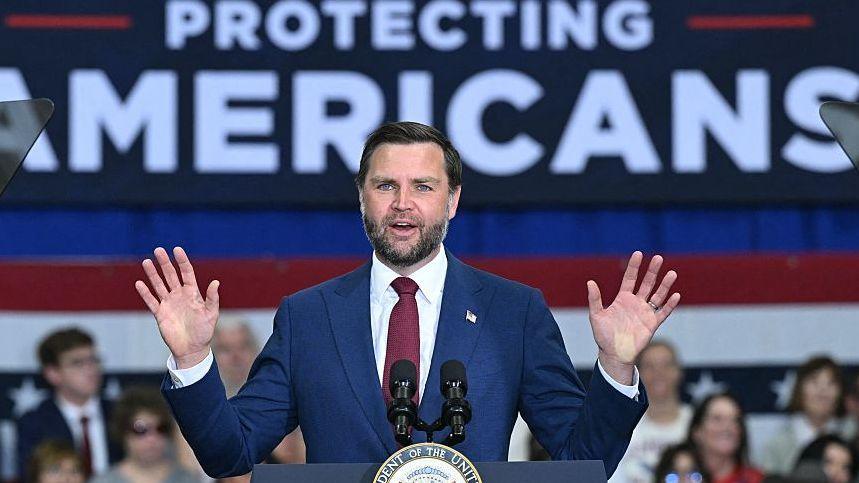
The political context adds further uncertainty. Israel’s general election is scheduled for late October, with Prime Minister Benjamin Netanyahu’s position in jeopardy amid a slow‑moving corruption trial that could end his tenure. Meanwhile, U.S. mid‑term elections are looming, and Trump’s focus on domestic politics may divert attention from sustaining this fragile diplomatic effort.
- Political hurdles: Netanyahu’s need to defend his leadership, coupled with potential changes in U.S. congressional priorities, could derail the plan.
- Humanitarian crisis: The population of Gaza, over two million people, lives under rubble and lacks basic services.
- Trust deficit: Years of conflict mean both sides suspect each other’s motives.
- Hamas’s internal pressure: Senior leaders have been targeted by Israeli forces; mass casualties weaken the organization’s bargaining power.
- Regional dynamics: Egypt and Turkey have played diplomatic roles, but instability in the West Bank threatens to spill over.
For the agreement to succeed, step‑by‑step confidence building is essential. Immediate disarmament must be coupled with gradual Israeli withdrawal, monitored by independent observers to prevent reprisals and to foster a secure environment for both civilians and militants.
The international community’s response will shape the trajectory. If the United Nations or regional coalitions enforce verification protocols, the plan may hold; otherwise, a resumption of hostilities could confirm a grim future for Gazans and a continued military standoff in the Middle East.
While the proposal offers a rare glimmer of progress amid a bleak backdrop, its survival rests on sustained diplomatic engagement, transparent verification, and a patient approach that balances military realities with the urgent need for humanitarian relief.
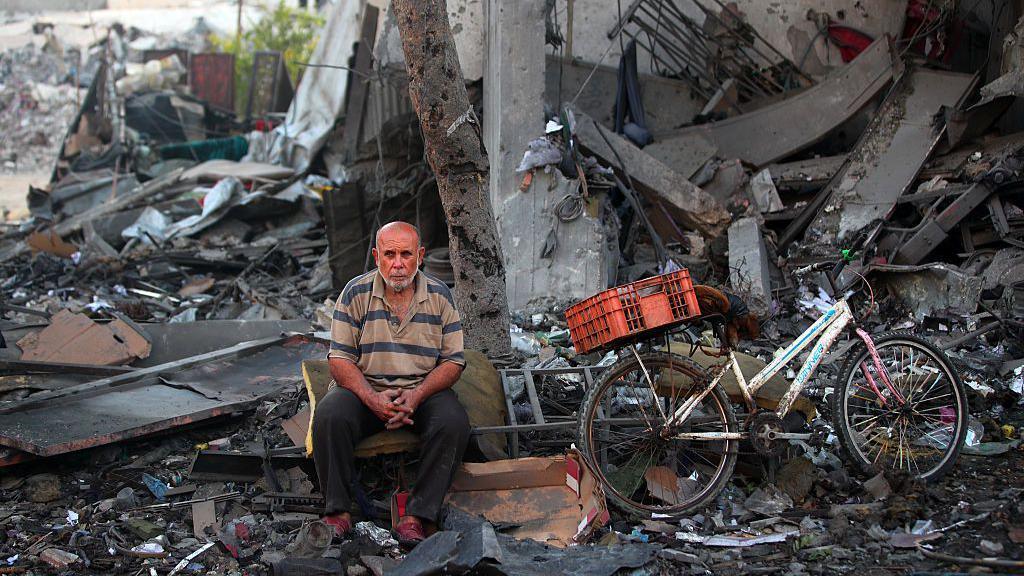
Image source: Getty