In brief
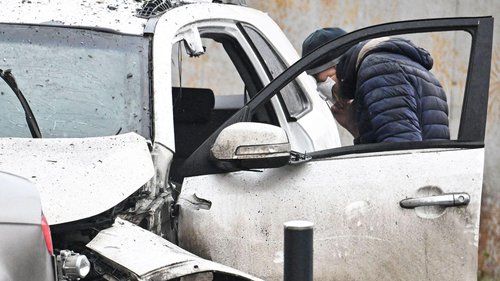
In the months since the ceasefire in Lebanon, Israeli troops have consolidated positions along the border, building new bases and damaging villages. The U.N. peacekeeping mission, UNIFIL, witnesses the removal of houses used by militants. Lebanese authorities accuse Israel of breaking the accord with air strikes and demolitions. Hezbollah’s disarmament talks stalled, while Israeli officials justify occupation as a security zone. The region’s future remains uncertain amid rising violence and displacement.
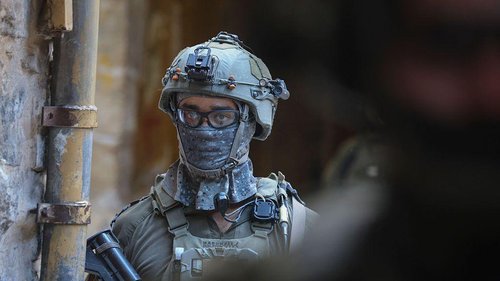
Crops lie abandoned and villages are ruined along the Mediterranean highways in southern Lebanon. Where a Lebanese checkpoint once stood, Israeli flags now divide the road into a closed zone under occupation. Soldiers, shielded by concrete walls, guard the short stretch of highway with no motor traffic beyond the border.
The region is a core of the Shia Muslim community that supports Hezbollah, the Iranian‑backed militia. Israel launched a third war in March, following Hezbollah rocket fire that struck Israeli territory after the death of Iran’s supreme leader. Since that eruption, Israeli forces have flanked the strip roughly 5% of Lebanon’s land, extending a defensive line 10 km from the border.
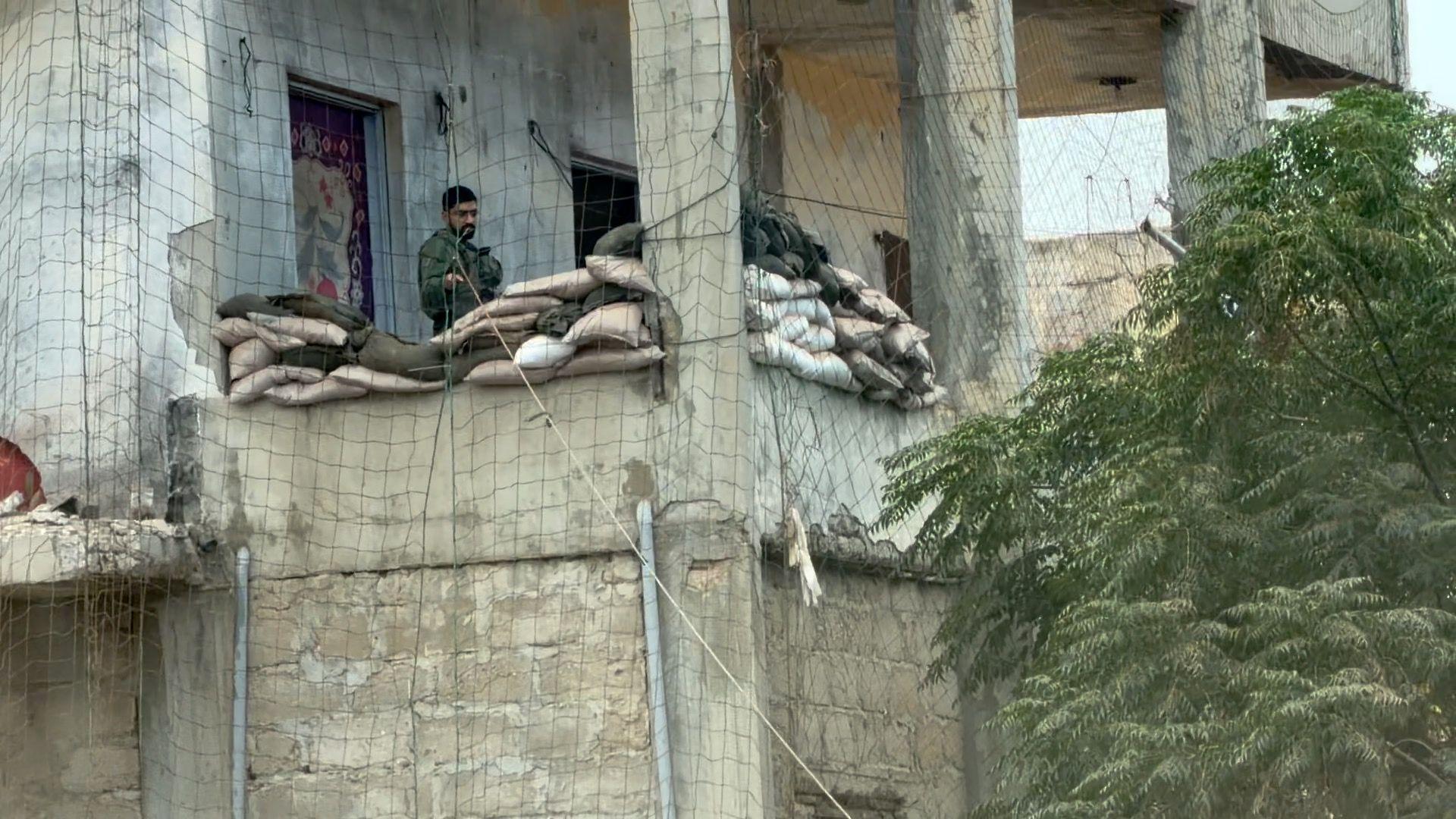
Journalists partnered with UNIFIL crews to escort civilians between Christian villages and the Unifil headquarters in Naqoura. The UN mission, led by Finnish troops, limits the convoy through a deconfliction channel. While passing the border wall, they observed Israeli survey drones overhead, intermittent explosions, and demolition sites where former homes were razed and netting was stretched over structures to defend against Hezbollah drones.
UN officials noted that four new Israeli bases now exist in the occupied zone, raising the total to nine. Over 5,000 breaches of the ceasefire by Israeli forces have been logged, with regular incursions beyond the so‑called Yellow Line. The Israeli Defence Minister, Israel Katz, declared a long‑term security zone as the official goal of the occupation.
Human rights advocates label these actions as possible war crimes, citing deliberate destruction of civilian infrastructure. Lebanese intelligence claims that the destruction aims to prevent displaced villagers from returning, effectively creating a permanent barrier against residents. Hezbollah publicly calls the settlement process a “surrender fraught with humiliation.”
Disarmament talks have stalled; Israeli conditions tie withdrawal to Hezbollah’s disarmament, a step the Lebanese army says it cannot enforce without Hezbollah’s consent. No traction in negotiations remains before the Israeli election in October, and a European diplomat characterized the situation as “a Gaza‑like expanse where Israelis are entrenched and likely to stay.”
The area that had once been a shared region for centuries now stands as a stark tableau of ruins and military presence. With each new base, the Israeli footprint widens, leaving millions of Lebanese displaced and uncertain about their future, as the international community watches with unease.