In brief
The White House has rejected claims that President Trump ordered a restriction on Ukraine’s use of the satellite‑based Starlink network during a recent spate of Russian drone strikes. Elon Musk and several U.S. officials hinted that the restriction may have come from Washington, prompting U.S. senators to demand a probe. Ukraine’s chief of staff, Volodymyr Zelensky, and European leaders stress the strategic importance of uninterrupted Starlink service for the country’s defense. Russian forces continued their attacks after the speed restrictions, and the U.S. warned it could withhold intelligence if Ukraine hit Russian oil refineries. A European summit in Brussels reaffirmed support for Ukraine’s need for advanced satellite coverage while the debate over U.S. support rages.
U.S. President Donald Trump has insisted he never imposed a limit on Ukraine’s access to the Starlink satellite internet network, a claim that comes after the Russian military increased drone attacks and the service’s speed was reportedly capped.
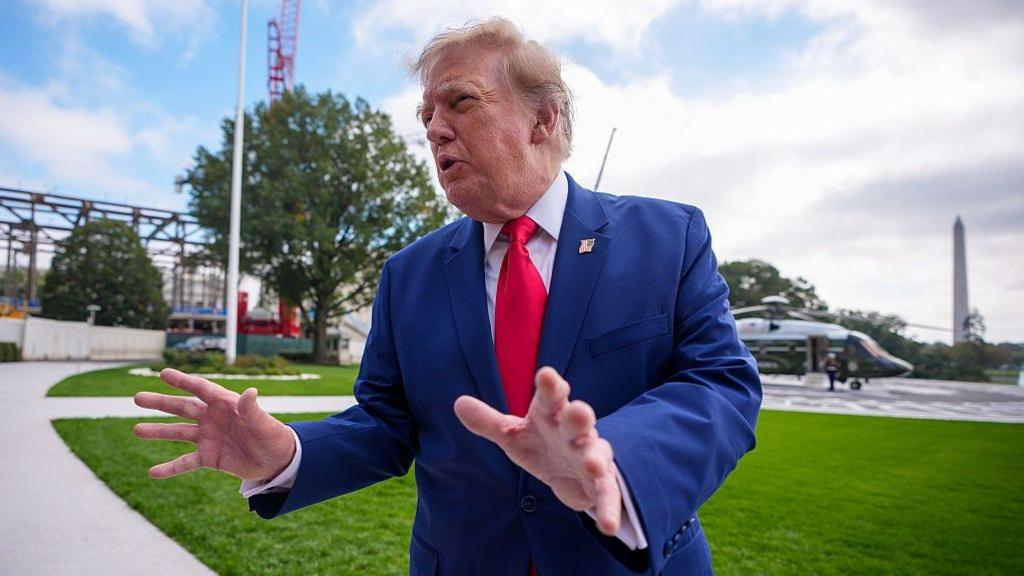
After Ukrainian President Volodymyr Zelensky said the reduced speed had the potential to cripple the country’s defensive operations, Trump told reporters: “It wasn’t me and I don’t think it was Elon Musk.” He added that he was uncertain whether the restriction even existed.
SpaceX founder Elon Musk, via a recent interview, suggested the slowdown could have come from Washington, a claim echoed by Reuters which reported the order was issued from inside the White House. Musk has long stated that Starshield, the military‑grade sister of Starlink, is managed in cooperation with the U.S. government.
Earlier this week, Russian forces hit Ukrainian forces again after the bandwidth limits were applied, leaving around 600,000 civilians without power and disrupting critical military communications. The incident triggered a bipartisan petition from U.S. senators calling for an official investigation into the alleged interference.
Amid growing tensions, U.S. policy had warned of withholding intelligence on Ukraine’s behalf if it continued to strike Russian oil refineries. Zelensky’s frustration over the Russian–U.S. diesel deal was palpable during an EU summit in Brussels, where he urged European leaders to stand firm against what he called “ambiguous” U.S. support.
French President Emmanuel Macron noted at the summit that European nations would refuse to abandon Ukraine, citing the strategic value of satellite coverage for early warning systems. He emphasized that the war would cost Ukraine an estimated €155 bn next year, with a need for at least €70 bn from the EU for defense.
As the U.S. Senate prepares to investigate the Starlink restrictions, all parties must weigh the importance of uninterrupted satellite connectivity against broader geopolitical and economic considerations. The outcome will likely shape the future of U.S.–Ukraine military cooperation amid ongoing Russian aggression.