Guinea Bans Raw Gold Exports to Boost Domestic Refining
By Thomas Naadi & Hafsa Khalil
2026‑06‑22, 13:41 UTC
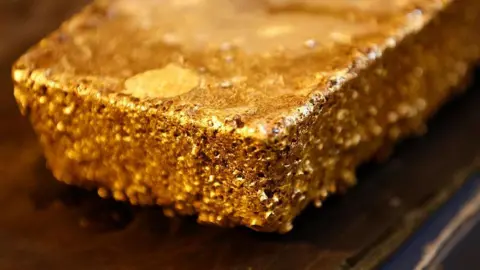
Guinea’s government has stopped the export of unrefined gold in a bid to increase domestic processing of the precious metal, creating new jobs and keeping more of the value chain inside the country.
The ban, which takes effect immediately, follows President Mamadi Doumbouya’s visit to meet artisanal and industrial gold producers and buyers. “Guinea will now require its gold to be processed within its own borders. Raw gold will no longer leave Guinea,” he said, citing the economic benefits other nations have earned by adding value to their raw materials.
Guinea is Africa’s sixth‑largest gold producer, shipping over 22 tonnes in the first quarter of this year, according to the World Gold Council. It also is the world’s leading producer of bauxite, used to manufacture aluminium.
The new refinery in the capital, Conakry, is nearly completed and can handle up to 250 tonnes per year, matching the nation’s current gold output. All refined gold will be routed through this plant before export.
Foreign mining firms operating in Guinea face warnings that violating the directive could result in license revocation and contract termination.
Similar policies have emerged in the region: Tanzania and Uganda already ban exports of unprocessed metals, Ghana plans to ban raw gold exports by 2030, and Zimbabwe will forbid lithium concentrate exports from 2027.
The move positions Guinea to capture more value from its mineral wealth, potentially boosting the economy and underpinning a broader strategy of industrialization across Africa.
Bloomberg via Getty Images