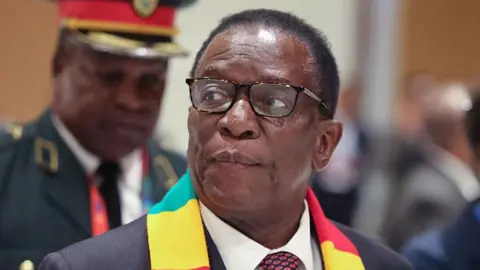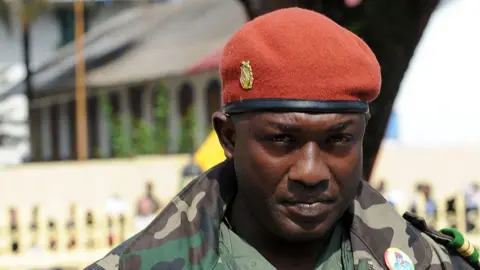
Aboubacar Sidiki Diakité, a central figure in the tragic events of Guinea's 2009 stadium massacre, has died while serving his prison sentence. Diakité, also referred to as Toumba, was pronounced dead early on Wednesday after a medical emergency at the Samory Touré Military Hospital in Conakry. His death has revived memories of a dark chapter in Guinea's history, where more than 150 individuals lost their lives during a protest against military rule, with over a hundred women raped.
Diakité was serving a 10-year sentence for his involvement in the massacre as the commander of the presidential guard and a close ally to then-military leader Moussa Dadis Camara. Despite being in custody, Diakité attempted to maintain a political presence, aiming to contest the presidential elections, which the Supreme Court ultimately ruled against.
Reports indicate that he was taken to the hospital upon experiencing gastric swelling, abdominal pain, and constipation, leading authorities to declare him deceased shortly thereafter.
The political climate in Guinea remains sensitive, especially concerning Diakité's death, with many citizens still waiting for justice regarding the 2009 massacre. A political expert described his passing as a lost opportunity for truth, stating, 'He died, but the full truth died with him.'
In the aftermath of the tragedy, the long-standing political instability in Guinea continues, manifesting through military coups and contentious electoral processes. While official governance has returned, challenges surrounding the resolution of past abuses linger, leaving the nation at a crossroads in its journey toward genuine reconciliation and justice.
Diakité was serving a 10-year sentence for his involvement in the massacre as the commander of the presidential guard and a close ally to then-military leader Moussa Dadis Camara. Despite being in custody, Diakité attempted to maintain a political presence, aiming to contest the presidential elections, which the Supreme Court ultimately ruled against.
Reports indicate that he was taken to the hospital upon experiencing gastric swelling, abdominal pain, and constipation, leading authorities to declare him deceased shortly thereafter.
The political climate in Guinea remains sensitive, especially concerning Diakité's death, with many citizens still waiting for justice regarding the 2009 massacre. A political expert described his passing as a lost opportunity for truth, stating, 'He died, but the full truth died with him.'
In the aftermath of the tragedy, the long-standing political instability in Guinea continues, manifesting through military coups and contentious electoral processes. While official governance has returned, challenges surrounding the resolution of past abuses linger, leaving the nation at a crossroads in its journey toward genuine reconciliation and justice.