Jihadist groups such as al-Qaeda and the Islamic State (IS) have embraced drone warfare, significantly altering the dynamics of conflict in West Africa. Operational reports indicate a sharp increase in drone strikes, with at least 69 recorded by al-Qaeda affiliates in Burkina Faso and Mali since 2023. Concurrently, Islamic State affiliates have executed around 20 drone strikes, primarily in Nigeria, a nation grappling with insurgency challenges for nearly 25 years.
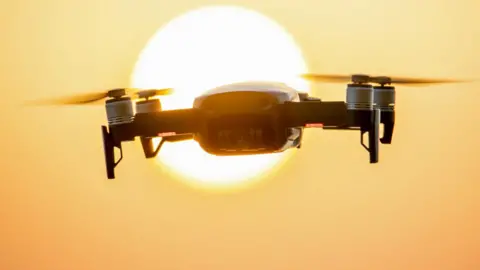
The recent uptick in drone attacks underscores a strategic evolution, as jihadists employ off-the-shelf quadcopter drones to enhance their military capabilities. Notably, a dual assault involving armed drones and ground troops led to nine soldiers' deaths in a January attack in Nigeria's Borno state, attributed to the Islamic State of West Africa Province (Iswap), dubbed the most active IS affiliate in drone warfare.
These drones, often rigged with explosives, are also effectively used for reconnaissance and surveillance, providing militants critical intelligence ahead of assaults. Despite Nigeria's stringent restrictions on drone imports and usage, jihadist groups circumvent these controls through extensive smuggling networks in the region.
Analysts express grave concerns about the implications of such aerial capability on regional security. Drones not only lower the costs of attacks but enable strikes on previously hard-to-reach military assets, marking a significant escalation in the warfare tactics. The presence of foreign combatants appears to influence these groups, equipping them with knowledge and skills to transform commercial drones into violent tools.
Acled's reports indicate an alarming trend: armed drone capabilities have proliferated across the Sahel and Lake Chad regions. This escalation could lead to more direct threats to both military and civilian targets, intensifying an already precarious security landscape. Military experts recommend urgent countermeasures, including enhanced air defense systems and proactive strikes against drone launch sites to preemptively mitigate the jihadist threat.}
The recent uptick in drone attacks underscores a strategic evolution, as jihadists employ off-the-shelf quadcopter drones to enhance their military capabilities. Notably, a dual assault involving armed drones and ground troops led to nine soldiers' deaths in a January attack in Nigeria's Borno state, attributed to the Islamic State of West Africa Province (Iswap), dubbed the most active IS affiliate in drone warfare.
These drones, often rigged with explosives, are also effectively used for reconnaissance and surveillance, providing militants critical intelligence ahead of assaults. Despite Nigeria's stringent restrictions on drone imports and usage, jihadist groups circumvent these controls through extensive smuggling networks in the region.
Analysts express grave concerns about the implications of such aerial capability on regional security. Drones not only lower the costs of attacks but enable strikes on previously hard-to-reach military assets, marking a significant escalation in the warfare tactics. The presence of foreign combatants appears to influence these groups, equipping them with knowledge and skills to transform commercial drones into violent tools.
Acled's reports indicate an alarming trend: armed drone capabilities have proliferated across the Sahel and Lake Chad regions. This escalation could lead to more direct threats to both military and civilian targets, intensifying an already precarious security landscape. Military experts recommend urgent countermeasures, including enhanced air defense systems and proactive strikes against drone launch sites to preemptively mitigate the jihadist threat.}