France on Edge as Student Protests Threaten National Stability

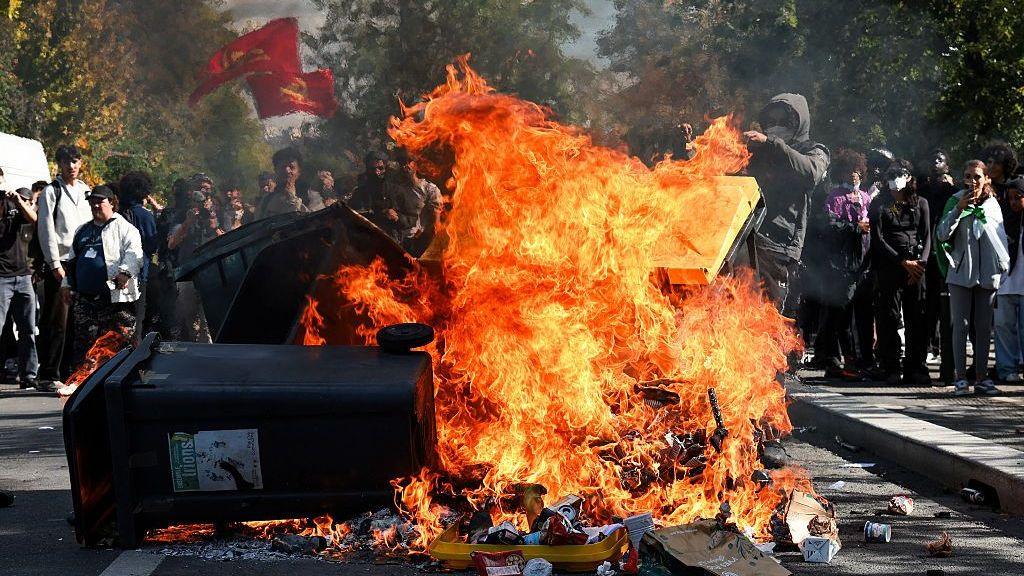
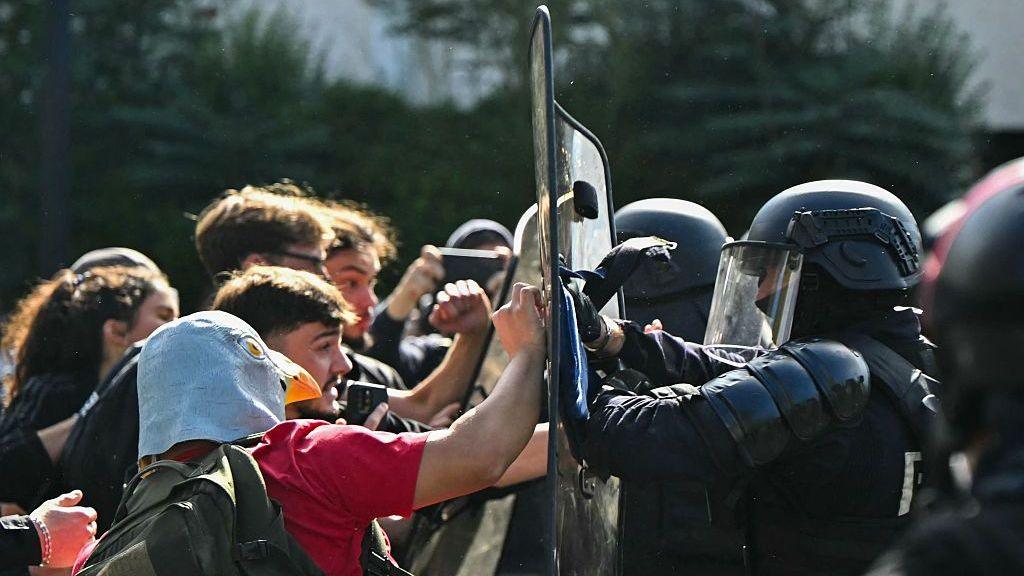
A wave of student demonstrations has forced hundreds of lycées to close, with fire damage and police clashes leaving dozens injured. The protests, sparked by grievances over class sizes, teacher shortages and heat‑wave conditions, spread from Seine‑Saint‑Denis to cities across the nation.
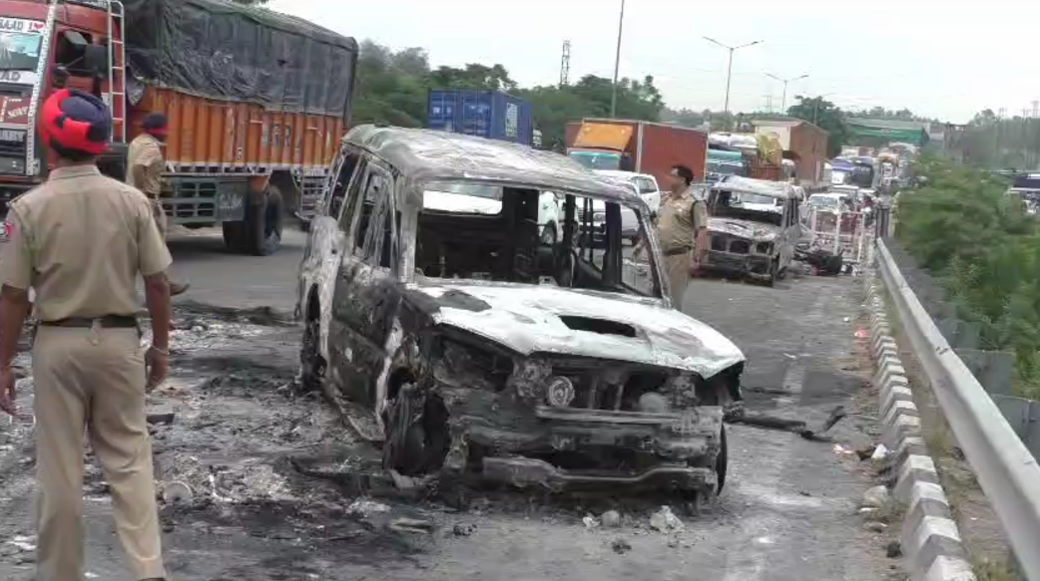
Since late September, pupils in the low‑income Seine‑Saint‑Denis area began marching outside school gates. By early October, the movement had crossed regional borders; by Thursday, a main hall in Nantes was set ablaze and smaller fires erupted at entrances nationwide. The cost of damage is already running into millions of euros.
Education Minister Édouard Geffray reported 65 teaching staff, including 40 principals, injured, two teenagers suffering serious eye injuries, and a police officer who lost many teeth. At the same time, roughly 300 police and fire crews were treated for injuries and 2,000 people—mostly minors—were taken into custody.
Faced with the demand for more teachers, smaller classes and better facilities, the government claims the rage is driven by a “lack of money.” Yet analysts warn the unrest is being steered by the far‑left France Unbowed (LFI) party, whose leader Jean‑Luc Mélenchon has urged students to avoid violence while simultaneously offering moral support.
An internal police report, leaked to the press, alleged that far‑left student unions and political groups were “egging on” the protest. It described the tactics—use of Palestinian and Algerian flags, calls for supplementary protests at police stations—as indicative of a flame‑kindling strategy aimed at gaining influence ahead of national elections.
If the far‑left can leverage the movement, the 2027 budget and the forthcoming presidential race could become a battleground for youth mobilisation. With Polls showing a 40 % approval among 18‑24 year olds, Mélenchon faces the challenge of converting this support into a run‑off advantage over Marine Le Pen.
The current crisis underlines France’s fragile social fabric. As Macron’s administration pushes a €54 bn budget cut, a student uprising—framed as a legitimate demand for resources—could be a precursor to broader instability demanding urgent political response.