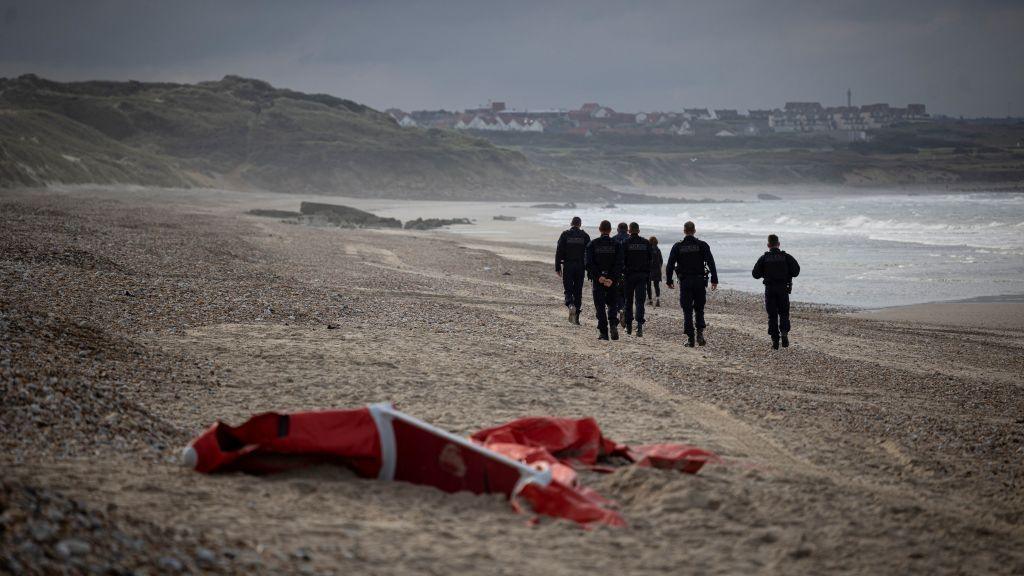
Six smugglers jailed after 31 migrants die in Channel boat disaster
In a Paris court that sat for four weeks, six people traffickers were convicted of involuntary homicide for orchestrating the 2021 Channel small‑boat tragedy that claimed 31 lives. The men and women, who ran the two main smuggling networks that ferried migrants from France to the so‑called “jungle” camp by Calais, received prison terms ranging from six to ten years. Seven other defendants got sentences up to four years, while a ninth defendant was acquitted.
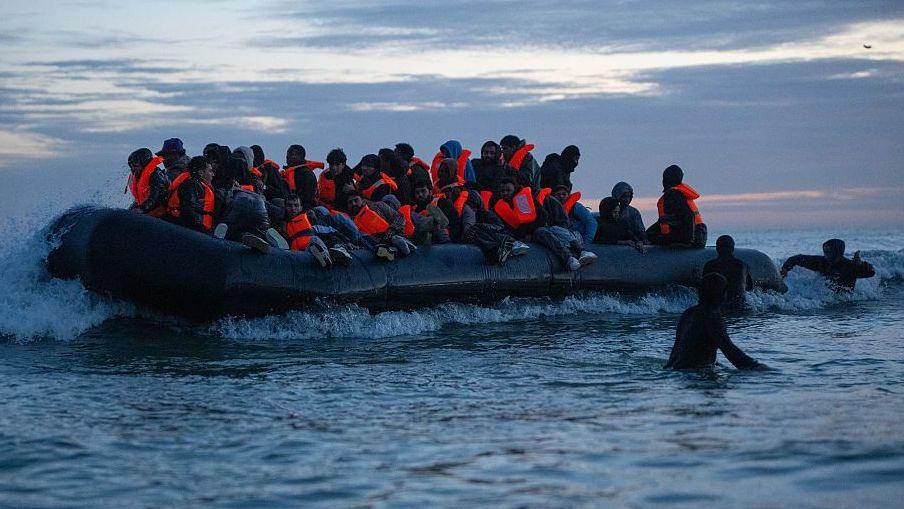
The boat left the French coast on 24 November 2021 in the early hours, carrying 31 passengers—mostly Iraqi Kurds, but also Afghans, Egyptians and Iranian Kurds—and sinking shortly after it sent distress calls that were ignored by French and British coastguards. Only two men survived.
Investigators found the vessel was of poor build, uncertified, overloaded, and lacked proper life jackets. Phone‑tracking, surveillance and witness testimony from families who tracked their relatives through Turkey, Italy and France helped the court build the case. In court, a family member recalled that his younger brother had “wanted to go to England for a better life,” but no one tried to stop him.
The trial highlighted the role of two smuggling networks: an Iraqi Kurd network headed by Bashdar (now in Iraqi custody) and an Afghan network led by Obaidullah Maroofkhel, who received the longest sentence of ten years. Most of the 14 defendants were Afghans or Iraqi Kurds. Following the verdict, the court issued arrest warrants for all six and is investigating seven members of the French armed forces for failing to respond to distress calls.
The disaster also coincided with France and the UK announcing the end of the “one‑in‑one‑out” migratory scheme that had let irregular cross‑Channel migrants be returned to France for potential asylum. The day before the verdict, French authorities noted that the scheme had not helped dismantle the smuggling business model that had led to the deadly incident.
The judge’s ruling and evidence presented reaffirmed civil plaintiffs’ claims that traffickers had a direct responsibility for the deaths and “humanised the families of victims.” A victim’s survivor, Issa Omar, recounted clinging to floating bodies and life‑jackets for hours to stay alive.