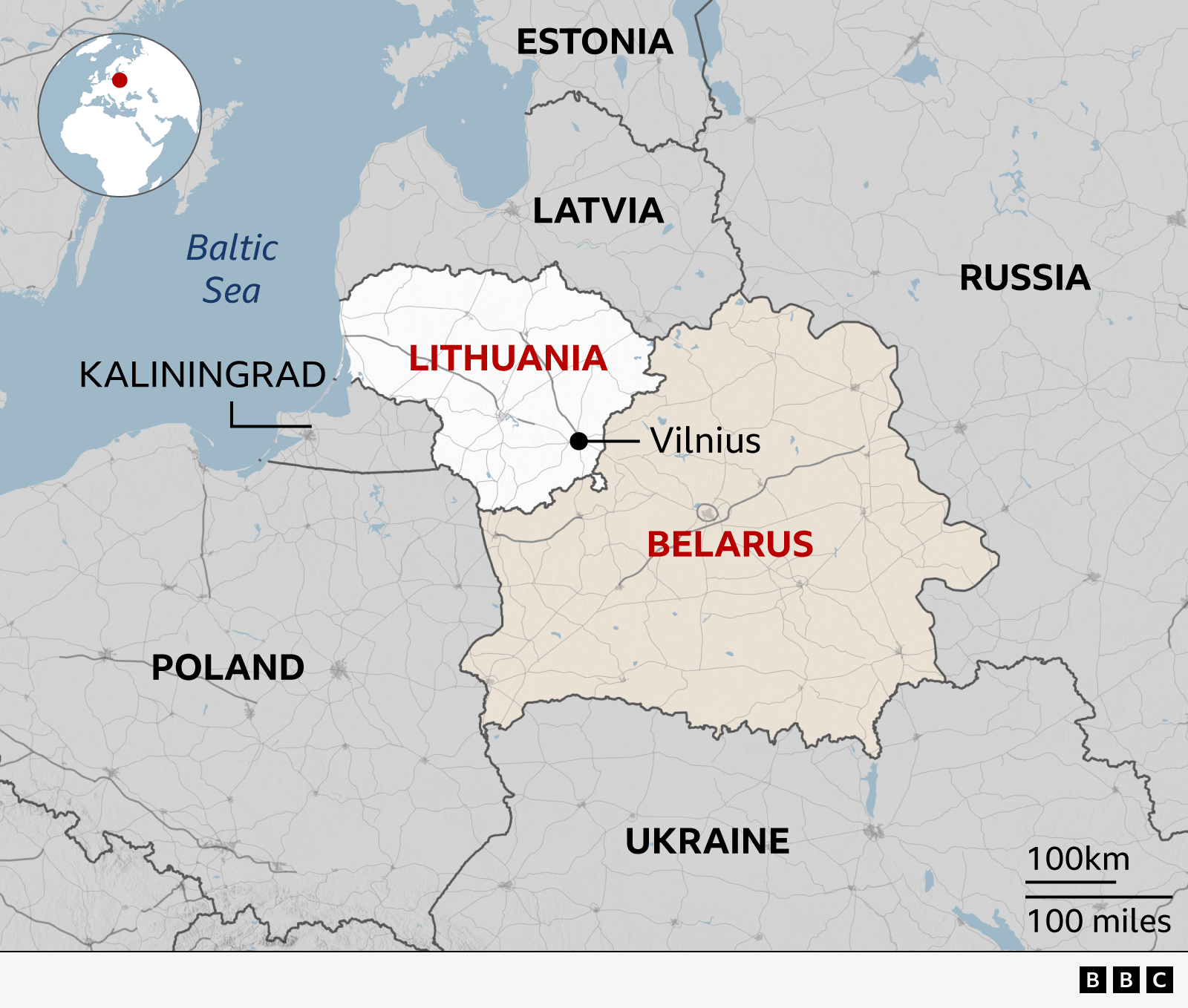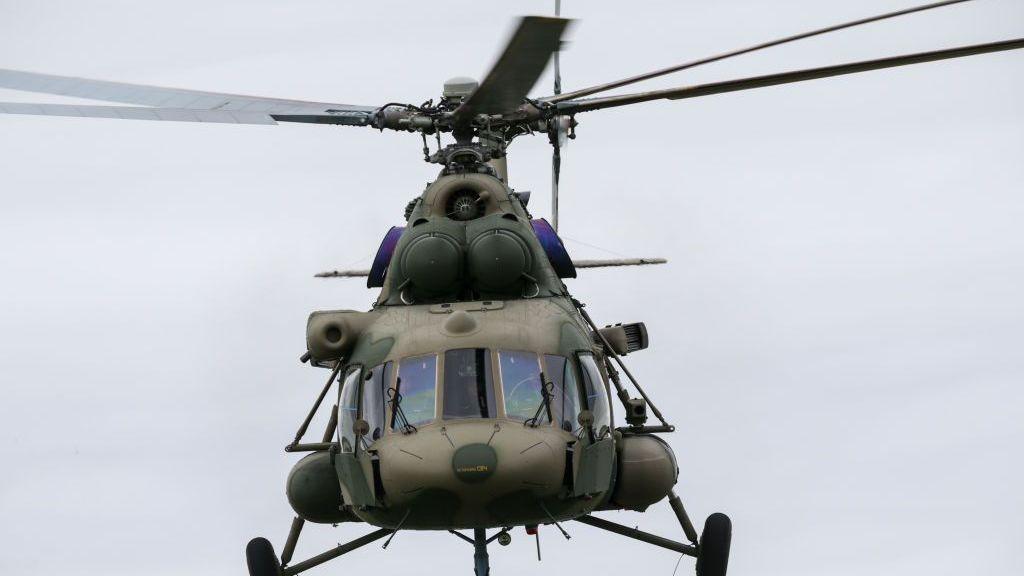

Poland’s Defence Ministry announced Wednesday that a Russian Mi‑8 military helicopter had crossed from the Kaliningrad exclave, briefly penetrating Polish airspace in its northern border region. The aircraft drifted 300 metres (roughly 328 yards) into Polish airspace and lingered there for 42 seconds before being tracked by radar and intercepted by Polish air defence units.
“The nature of the incident indicates that Russia is once again testing the readiness of our air defence,” the Polish Army Operational Command said. Polish fighter jets were scrambled to the affected airspace and ground forces were kept on alert, according to the statement released at 11:08 local time (09:08 GMT).
Poland has increasingly warned that Russia is conducting a “hybrid” campaign of attacks—including drones and missiles—aimed at destabilising NATO states on its eastern flank. Earlier in September, Prime Minister Donald Tusk warned the possibility of Russian drone and missile strikes on Polish and other NATO territories, framing such acts as an intimidation strategy against the international coalition supporting Ukraine.
These incidents occur against a backdrop of Russian denials. Moscow has not yet offered a response to Poland’s claim, and officials have repeatedly asserted that Russia does not intend to launch attacks on NATO countries. Conversely, Russian Foreign Minister Sergei Lavrov has suggested that any conflict with Europe would differ from the war in Ukraine and would be short‑lived.
While Poland prepared its defence, voices in the region urged a unified response. French President Emmanuel Macron, following similar allegations against France, has ordered new protective measures for critical infrastructure and defence sites, underscoring a shared recognition that Russia’s hybrid tactics pose a tangible threat to European security.
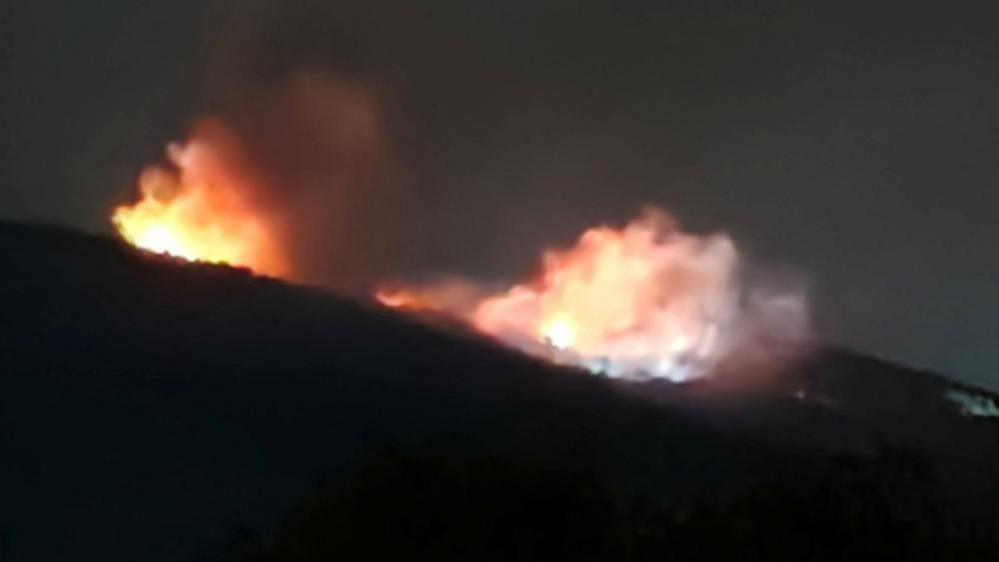
The broader pattern of suspicious fires and blasts at defence facilities across NATO—ranging from Italy in the south to Estonia in the north—has intensified this week. In Germany, a drone attack on a Leipzig airport last month was attributed by local authorities to Russian perpetrators, a claim Moscow dismissed as “absurd.” Lithuania’s prime minister has likewise prepared evacuation plans to counter potential threats, emphasising resolve in the face of possible Russian aggression.
In the immediate term, the Russian Mi‑8 incursion has not resulted in any direct conflict, but it has sharpened the focus on airspace sovereignty and the capabilities of Poland’s air defence network. The incident underscores the limits of conventional deterrence in an era where hybrid warfare—combining military, cyber, and informational tactics—has evolved into a mainstream threat to state security.