Eiffel Tower CEO Resigns After Female Staff Swapped During Hindu Delegation Visit
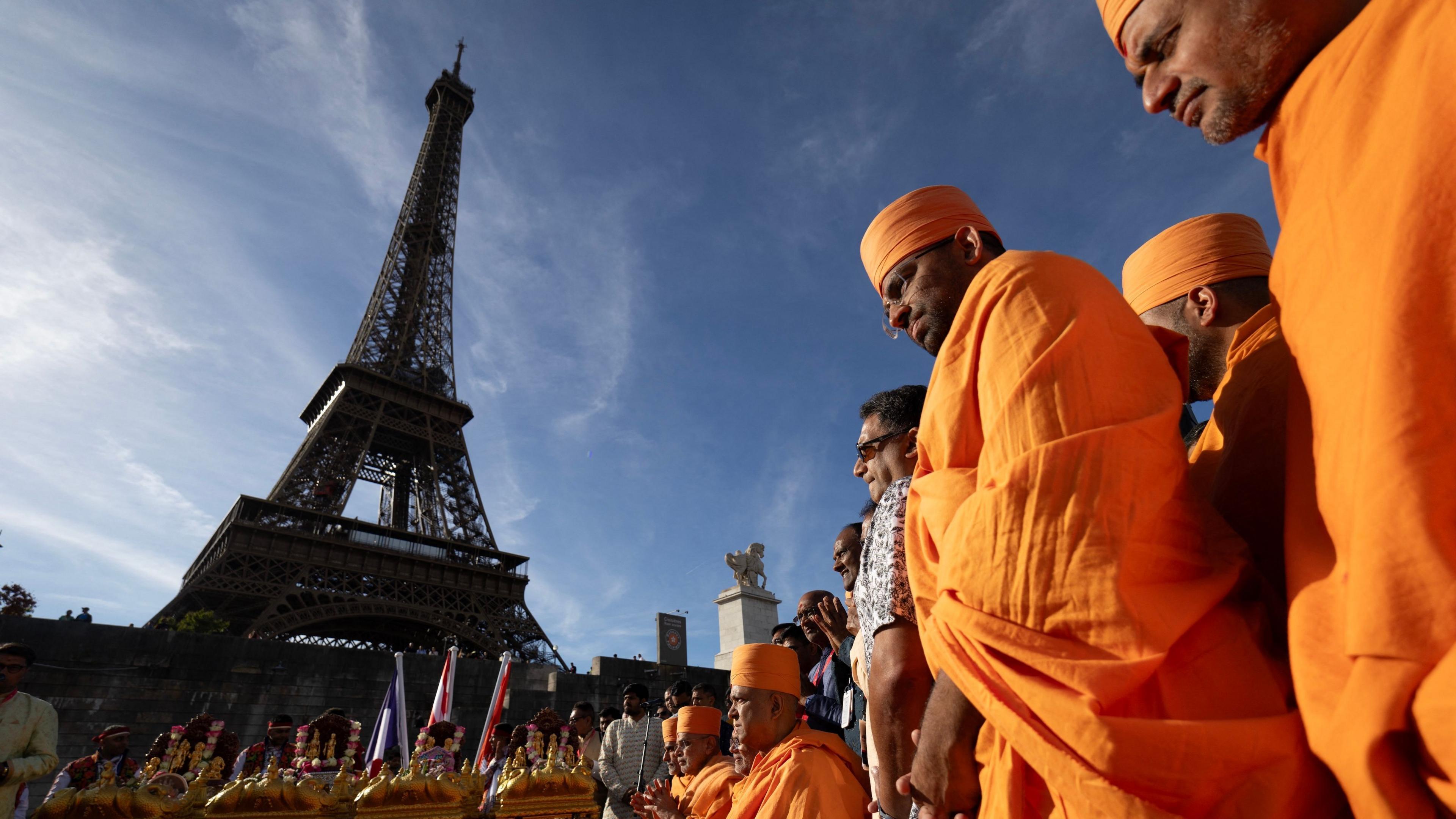
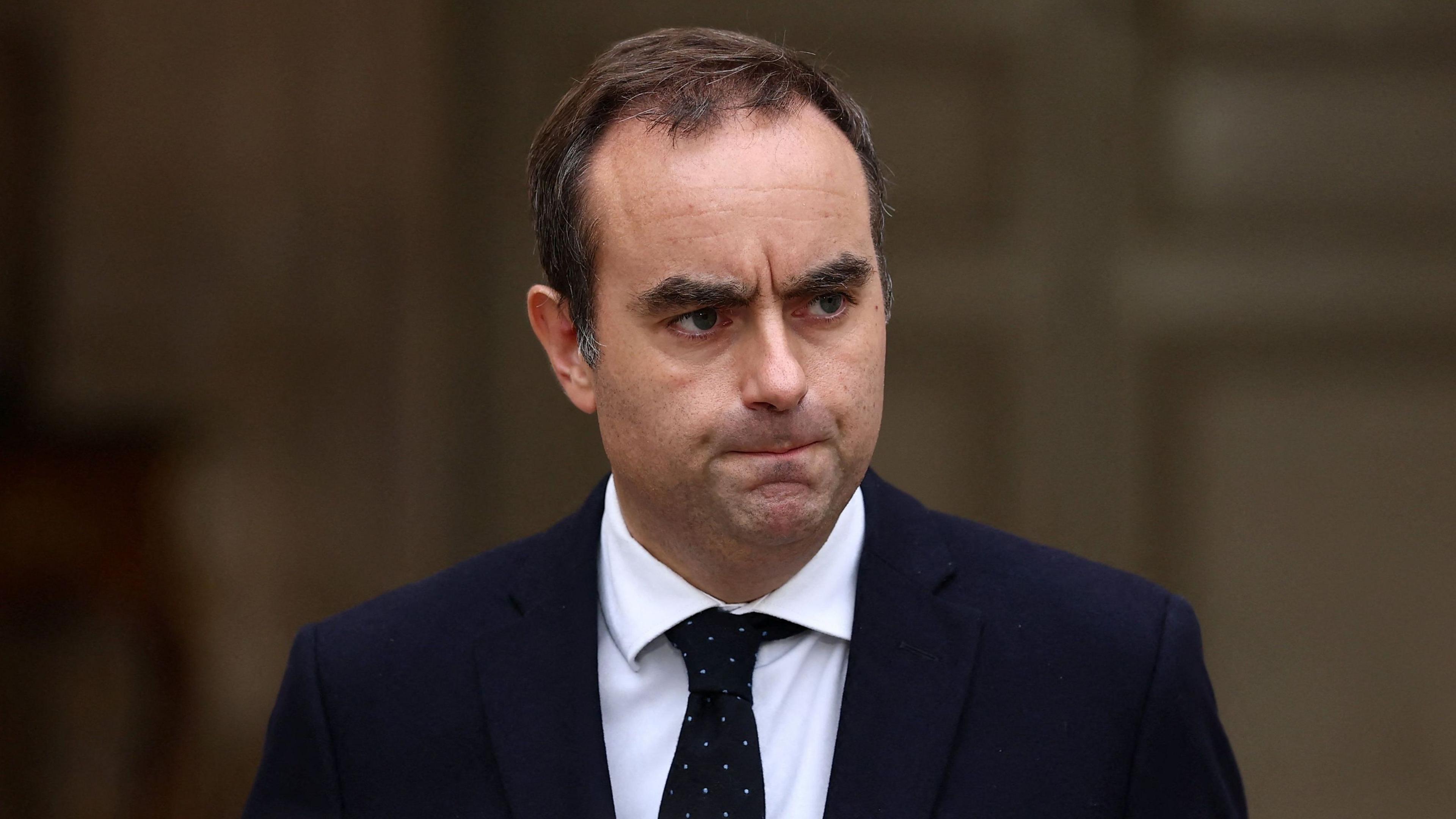
The Paris landmark’s chief executive, Patrick Branco Ruivo, announced he will step down at the end of the year after an internal review found that women were “unacceptably” told to leave their positions when a delegation of around 100 BAPS Hindu monks visited the tower earlier this month.
SETE, the company that runs the Eiffel Tower, confirmed the decision, citing “operational flaws and shortcomings” in organising the visit that led to the removal of staff. The chief’s departure follows a strike by tower employees who reported being instructed to vacate work areas and denied entry to certain zones as part of the event.
BAPS—whose teachings date back to the 18th‑century Hindu leader Swaminarayan—requires strict segregation of men and women in all its rituals. The delegation requested an arrangement that would “limit interactions with women.” Company officials said the conditions should not have been accepted.

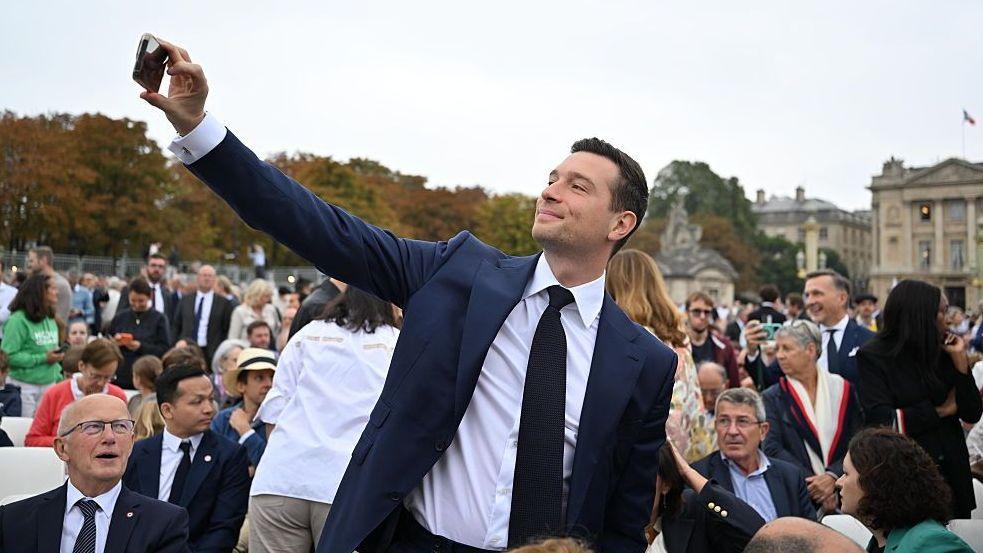
The incident prompted France’s National Assembly president, Yaël Braun‑Pivet, to denounce the forced exclusion of women, stating: “I refuse to allow women to be compelled to step aside in order to meet the demands of foreign visitors.” Paris mayor Emmanuel Gérard described the decision as “absurd, unjust and unacceptable” and called for two separate investigations.
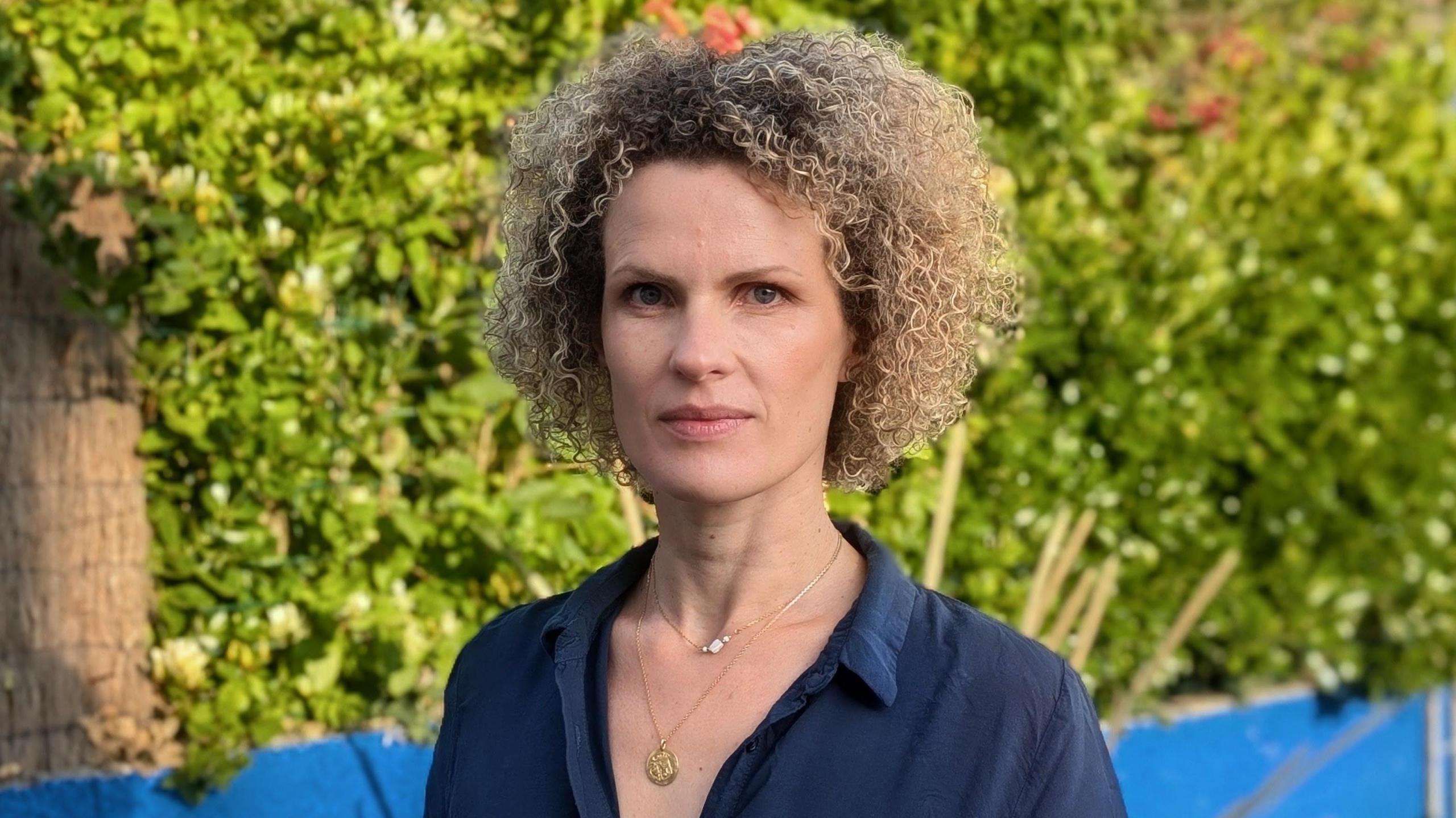
SETE chair Ariel Weil vowed to implement gender‑equality training programs and to prepare for a leadership transition under the best possible conditions. Meanwhile, BAPS issued an apology for any pain or inconvenience caused, emphasizing its commitment to universal values of mutual respect and service.
Critics argue that 18th‑century religious practices should not dictate modern workplace policies. The tower’s high‑profile resignation offers an opportunity for Paris to affirm its stance on equality and to rethink how cultural events intersect with corporate responsibility.