French civil servant drugged us to make us urinate on ourselves, say accusers
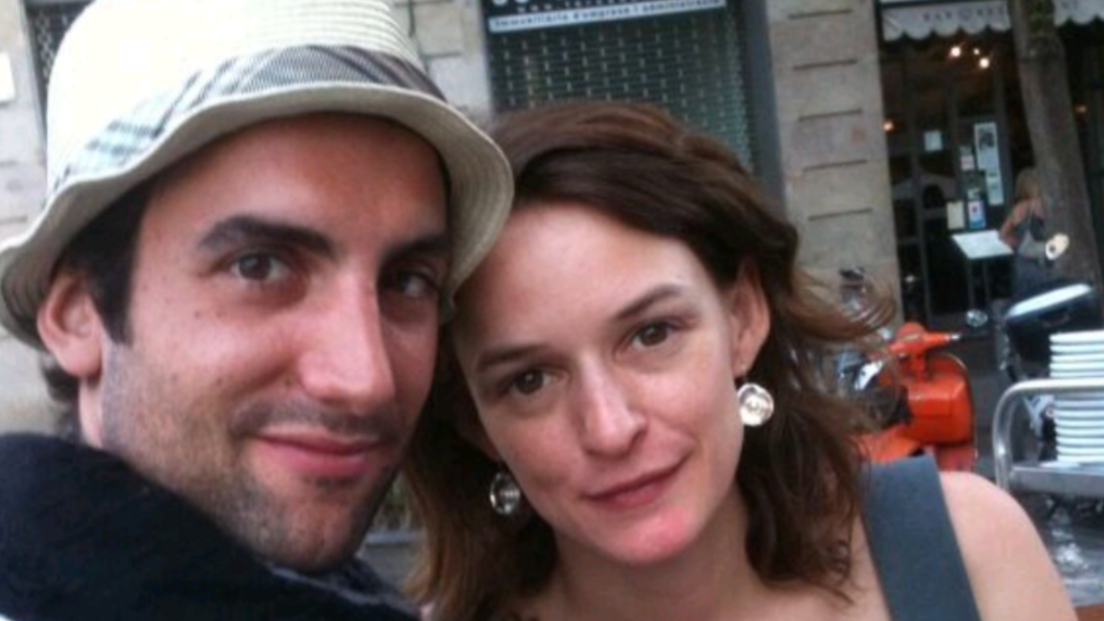
In July 2011, 27‑year‑old Anaïs de Vos was interviewed for a job at Paris’s Ministry of Culture when the senior civil servant Christian Nègre offered her a cup of coffee."I was really weak. I couldn’t feel my legs any more," she says. Although she didn’t usually drink coffee, Nègre’s brew tasted bad and she only took half of it.
After a few minutes the interview moved outside and Anaïs suddenly felt a powerful, uncontrollable urge to urinate. "I thought it was really weird the way he looked at me, almost gleeful," she recalls. He pointed her toward a storage cupboard under a bridge and told her, “You can do it here.”
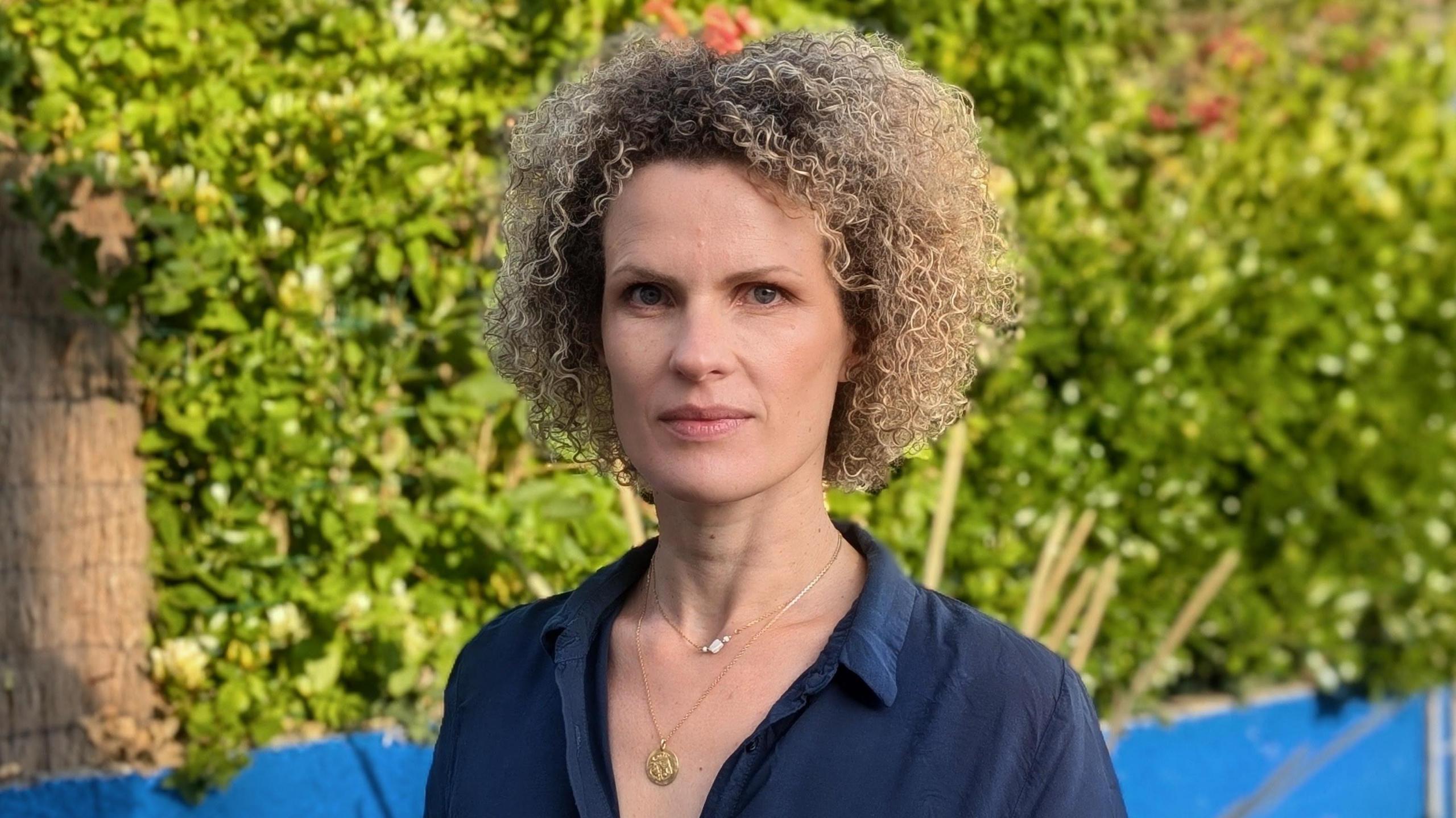
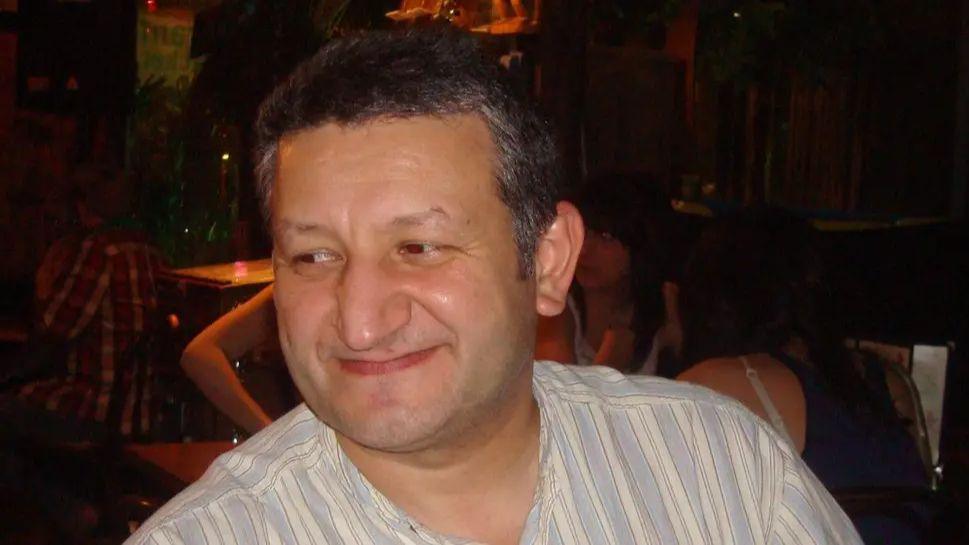
Anaïs’s story is one of almost 250 alleged victims who say Nègre used diuretics to force them into situations of humiliation during job interviews between 2009 and 2018. The alleged offences are known in France as “chemical submission.”
N’importe, or "Experiments P," was the name of a spreadsheet that police uncovered on Nègre’s computer. The file contained details such as arrival times, the moment of drug administration, the time it took for women to urinate, and even the underwear they were wearing.
Like Anaïs, other women—including Marie‑Hélène Brice, who met Nègre in 2016—recall feeling an intense urge to urinate after a walk outside and being told there was a public toilet, only to find none. Several have since experienced lasting urinary problems and psychological trauma.

The investigation began in June 2018 after Nègre was caught photographing a woman from beneath a table. He was suspended from his role at the Ministry before being sacked in 2019.
Nègre faces charges of drugging, invasion of privacy and sexual assault. He is currently awaiting trial.
French MP Sandrine Josso has championed a pilot programme allowing women who suspect they have been drugged to submit blood, urine and hair samples—without making a formal police complaint—for toxicological tests. The programme, still in early stages, could help uncover cases of chemical submission.
Despite the gravity of the allegations, many victims report a prolonged period of silence: Anaïs first spoke to police in 2019 but did not receive a response until 2023, and she felt "within the kitchen” of the justice system.
"I am angry that we are not taken seriously. The delay in processing their complaints is a form of secondary victimisation," she says.
The case shines a harsh light on the need for better protection of women in professional settings and a more responsive legal system in France.