As we enter 2025, faith leaders across the United States are grappling with the increasing anxiety faced by immigrant communities in the wake of harsh political rhetoric and tightening immigration policies. President Donald Trump's intensified criticism and proposals, which label immigrants as culprits for various societal issues, have heightened fears among these vulnerable populations.
Haitians who fled gang violence, Afghans seeking refuge after aiding U.S. forces, and Somali Americans are particularly targeted. In Springfield, Ohio, many Haitians fear the expiration of the Temporary Protected Status program, which allows them to legally reside in the U.S. The repercussions of this policy change could lead to an economic and humanitarian crisis, as noted by local faith leader Carl Ruby.
Meanwhile, the Afghan refugee community continues to suffer from the suspension of the U.S. refugee program, leading to job losses and a significant reduction in resources for organizations that assist them. Kristyn Peck, the CEO of a local service organization, highlights the emotional toll this has taken, as pervasive narratives unfairly associate Afghan immigrants with violence and danger.
In Minnesota, the Somali community has established a task force in response to rising immigration enforcement and negative public sentiment influenced by Trump's comments. This task force aims to address community concerns while advocating against harmful narratives.
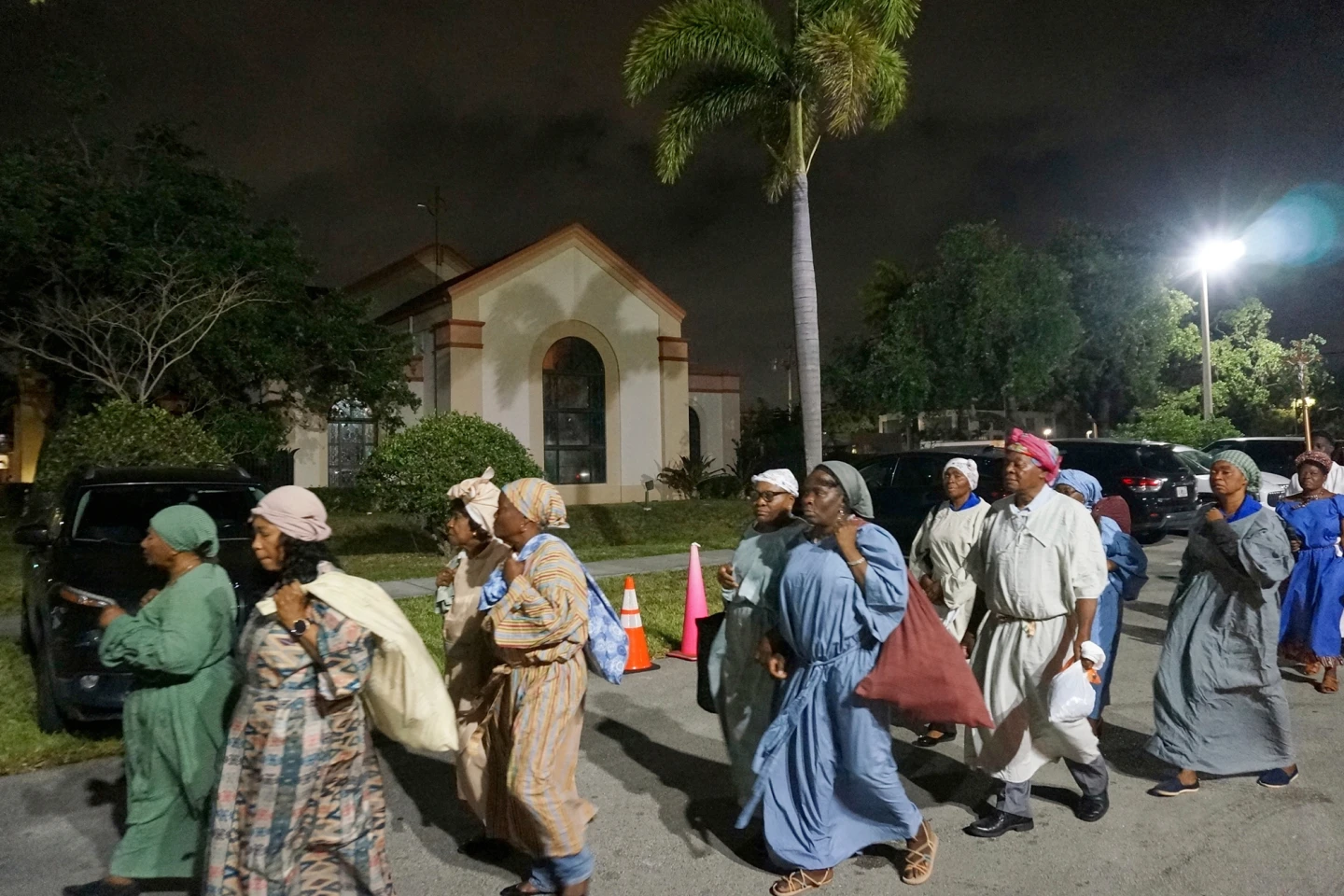
Faith leaders are responding to these challenges with compassion and action. U.S. Catholic bishops recently issued a rare collective message expressing concern for the treatment of immigrants and calling for an end to dehumanizing language. Other religious organizations, including HIAS and the Evangelical Lutheran Church in America, have echoed these sentiments, underscoring solidarity with targeted immigrant groups.
As various faith communities unite to bolster support for immigrants, they stress the need to recognize the dignity of each person and stand against the tide of divisive rhetoric that threatens to undermine the values of compassion and inclusion.