European Military Service: A Look at Mandatory and Voluntary Conscription Trends
In light of rising security concerns, several European countries are reassessing military service, with some reinstating conscription while others implement voluntary recruitment. Understanding these shifts is essential as states prepare for potential threats.
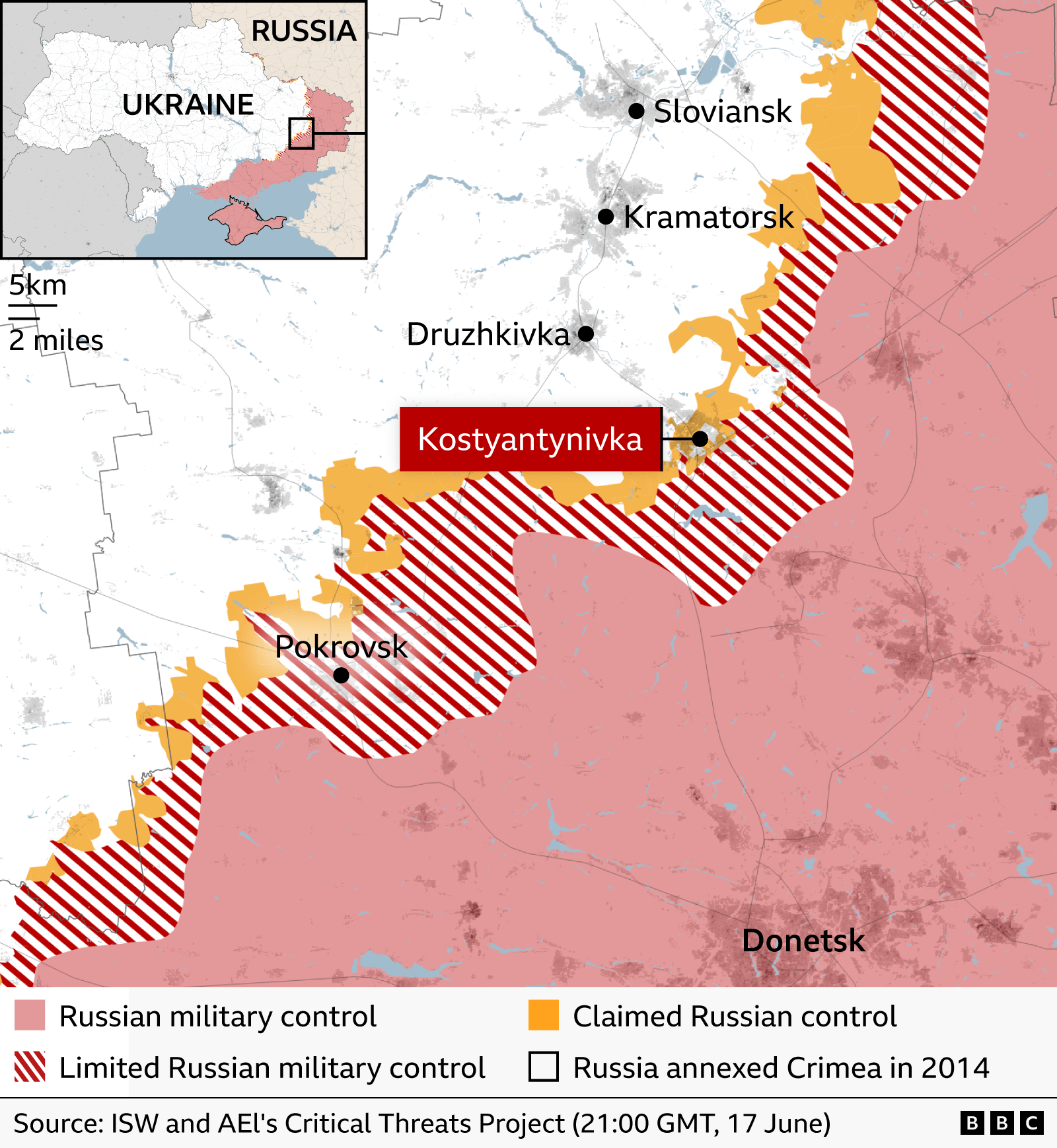
Some of Europe's biggest NATO members are moving to strengthen their professional armies through voluntary national service schemes, evoking reflections on the past when large conscripted armies were common during the Cold War. However, following Russia's full-scale invasion of Ukraine in 2022 and the ongoing conflict, fears are rising regarding potential future threats to NATO members.
Who Conscripts?
Among NATO countries, nine maintain a system of conscription: Denmark, Estonia, Finland, Greece, Latvia, Lithuania, Norway, Sweden, and Turkey. For instance, Turkey mandates military service for men aged 20 to 41, while Norway conscripts both genders for around a year.
Some countries, such as Croatia, are reinstating conscription, planning to introduce mandatory training for young men in the upcoming year. Meanwhile, countries like the UK and France focus on professional armies without conscription, although the UK permits recruitment of minors with parental consent.
Countries such as Albania, Czechia, and Spain operate professional military forces without a conscription model. Iceland notably has no regular military forces, relying instead on its Coast Guard.
Who is Looking for Volunteers?
This month, Belgium's defense ministry initiated invitations for 17-year-olds to volunteer with lucrative compensation, while the Netherlands launched their voluntary service program in 2023. Poland, aiming at significant army expansion, plans to extend military training to all adult males.
Voluntary service is also being explored elsewhere, with Bulgaria and Romania considering new initiatives to encourage participation in military training among young adults.
How Does Germany Plan to Build 'Europe's Strongest Army'?
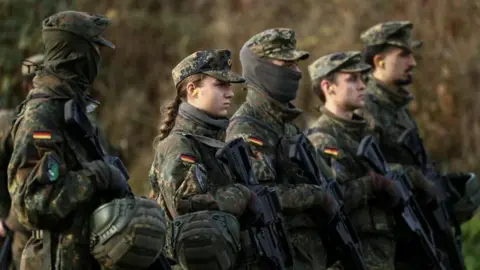
Germany, having ended compulsory military service in 2011, is now contemplating voluntary service. To prepare for potential scenarios, a law will require 18-year-olds to assess their willingness to join the military. The German government aims to expand its armed forces significantly, preparing a stronger response capability.
What are French Teenagers Being Offered?
France is establishing a new scheme for voluntary military service for young adults, emphasizing the need to mobilize and ready the nation for any threats. The government plans initial recruitment of 3,000 participants, expanding that number substantially by 2035.
What About the Rest of Europe?
Beyond NATO, some EU countries like Austria and Cyprus enforce compulsory military service, while others maintain professional armies. Notably, Switzerland mandates service for young males but recently rejected proposals to extend this requirement to women.
As European nations navigate shifting security dynamics, the approaches to military service reflect both historical context and modern-day geopolitical challenges. The adaption of military frameworks to meet new threats is crucial in ensuring national and regional security.