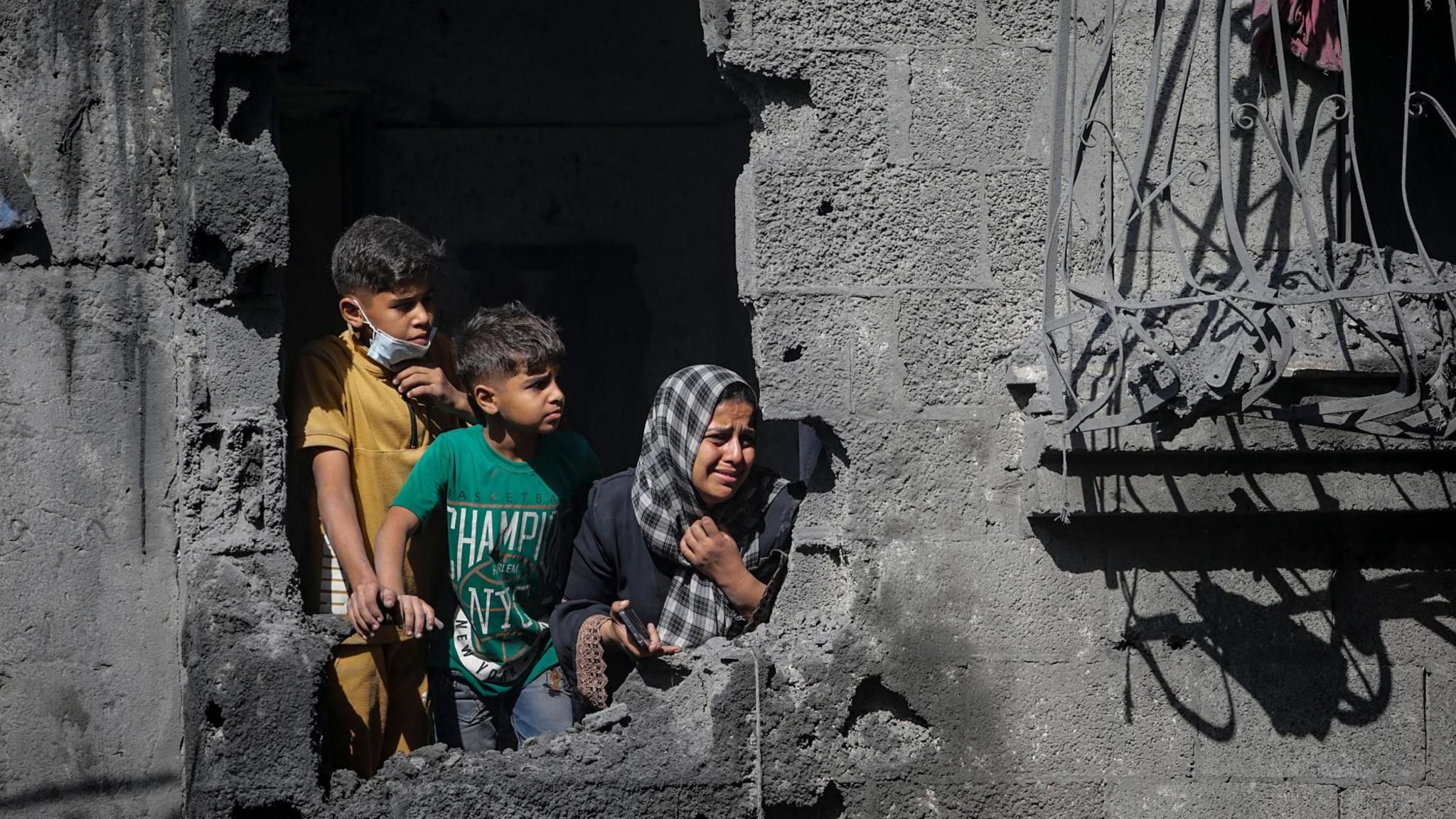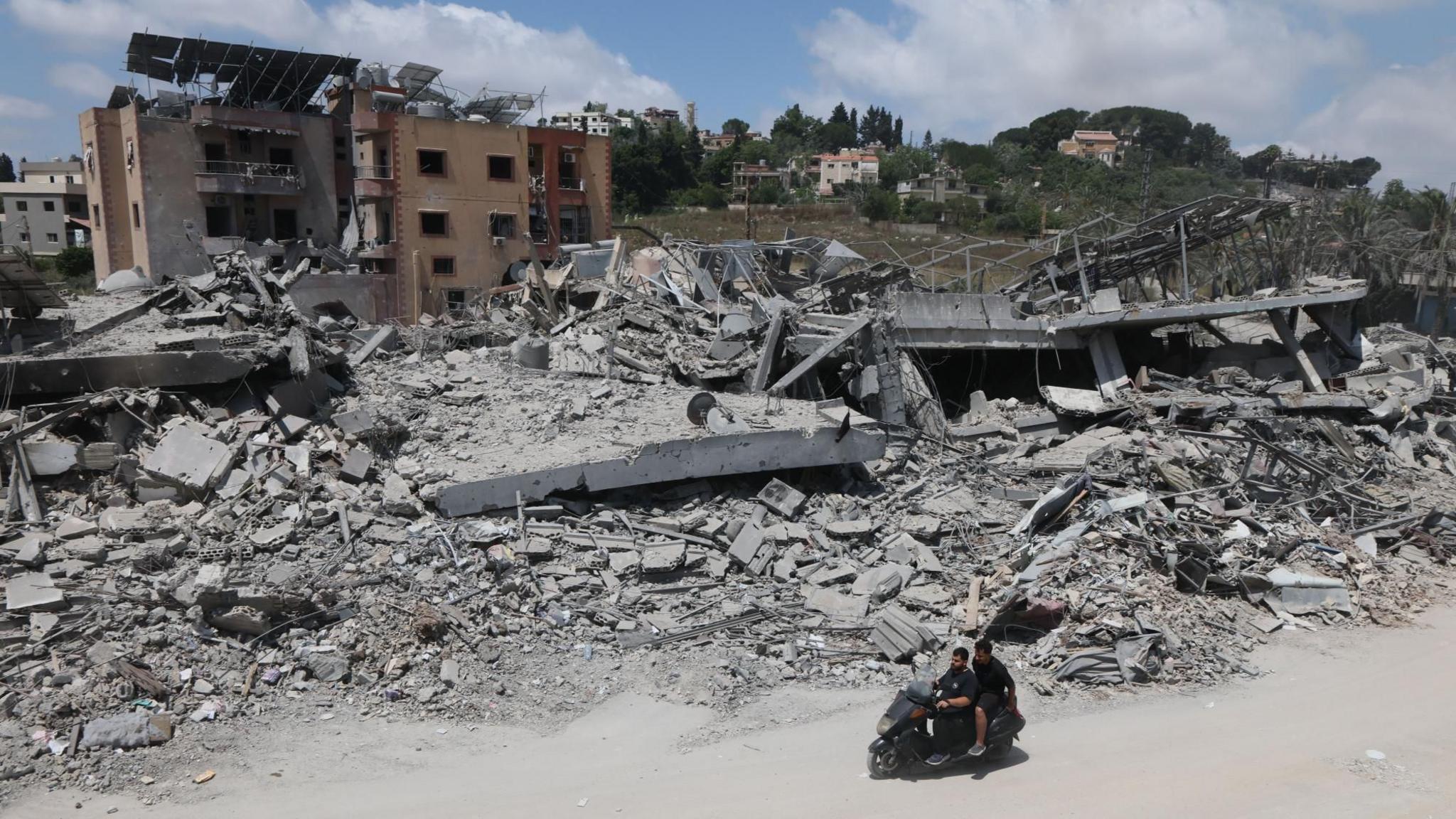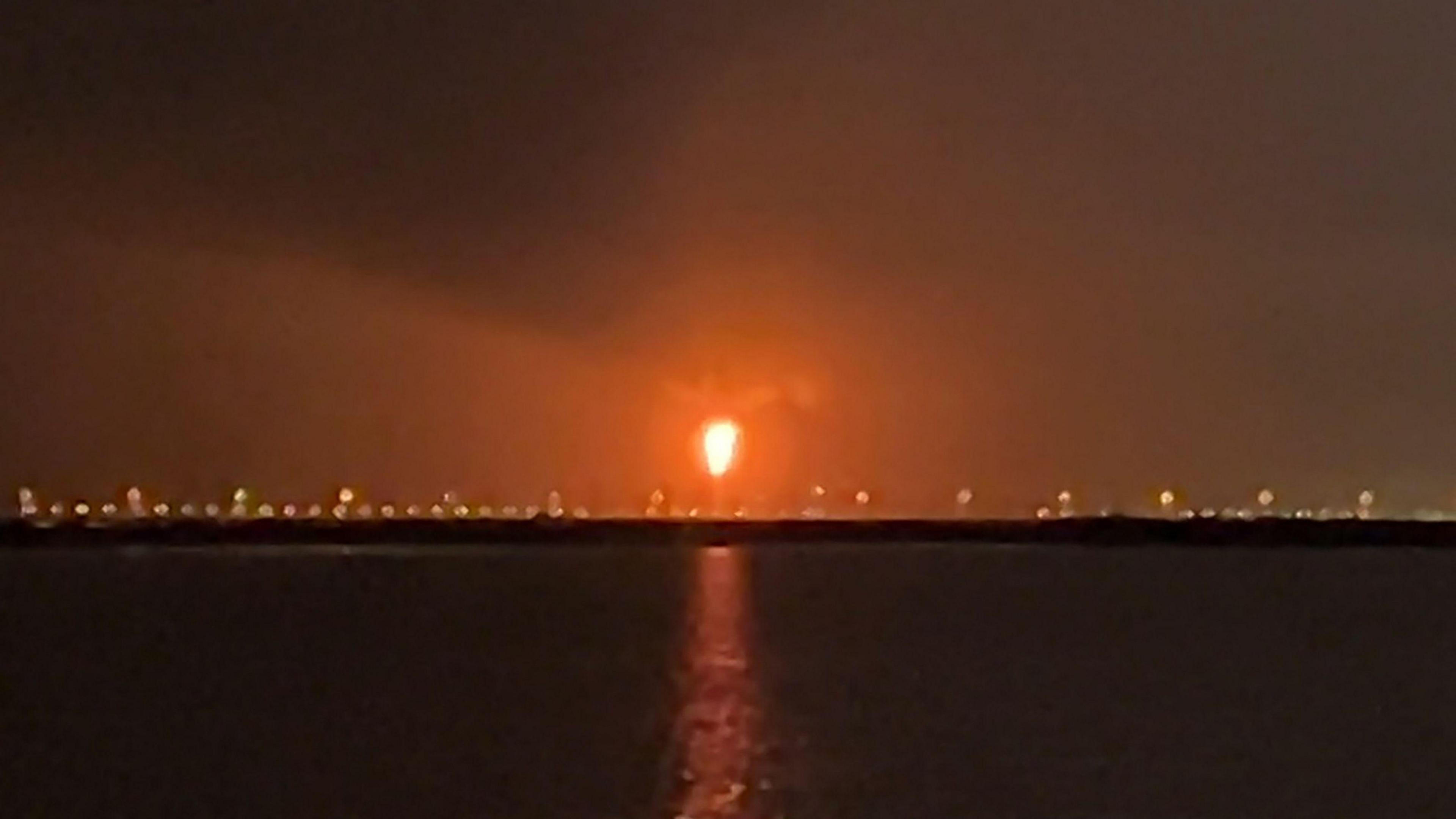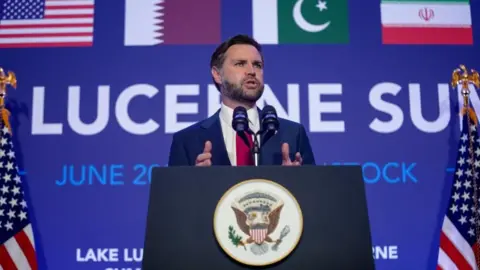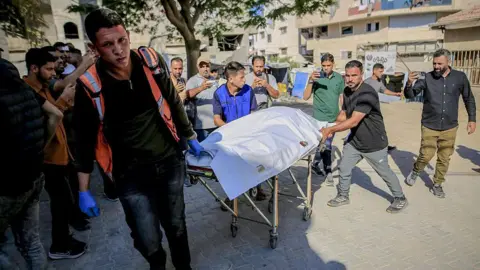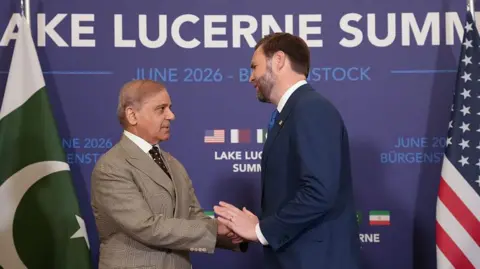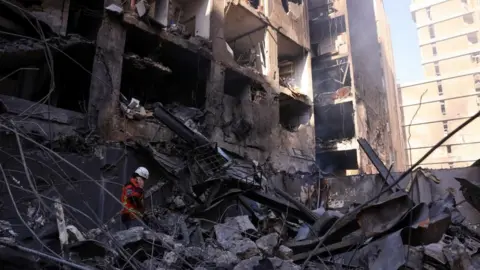
An Iranian minister has told the BBC that Israeli strikes in Lebanon on Wednesday constituted a 'grave violation' of the US-Iran ceasefire agreement. Deputy Foreign Minister Saeed Khatibzadeh said Lebanon was covered by the two-week deal agreed on Tuesday - something the US and Israel dispute - and said the US must choose 'between war and ceasefire'. The Lebanese health ministry has reported at least 203 people killed on Wednesday in air strikes targeting what Israel referred to as Hezbollah command centres and military sites.
Pressed on whether Tehran would likewise ask Hezbollah to stop firing rockets towards Israel, Khatibzadeh claimed the Iranian-backed militant group had 'abided' by the ceasefire. Hezbollah stated on Thursday that it retaliated against Israel, asserting it would continue its attacks until 'Israeli-American aggression' against Lebanon concludes.
Khatibzadeh expressed that the message sent to the White House was clear: one cannot demand a ceasefire while the ally instigates a massacre. He reiterated that Hezbollah operates as a 'Lebanese freedom movement' with support from Iran.
The dialogue took place in the context of a ceasefire proposal that aimed to stabilize tensions, however, the violence appears to be escalating once again. Khatibzadeh voiced doubts about the US's commitment to a lasting peace, labeling US negotiations as a cover for military action. As the situation unfolds, both the Iranian leadership and Hezbollah's military strategies suggest that hostilities may persist amidst diplomatic efforts.
Pressed on whether Tehran would likewise ask Hezbollah to stop firing rockets towards Israel, Khatibzadeh claimed the Iranian-backed militant group had 'abided' by the ceasefire. Hezbollah stated on Thursday that it retaliated against Israel, asserting it would continue its attacks until 'Israeli-American aggression' against Lebanon concludes.
Khatibzadeh expressed that the message sent to the White House was clear: one cannot demand a ceasefire while the ally instigates a massacre. He reiterated that Hezbollah operates as a 'Lebanese freedom movement' with support from Iran.
The dialogue took place in the context of a ceasefire proposal that aimed to stabilize tensions, however, the violence appears to be escalating once again. Khatibzadeh voiced doubts about the US's commitment to a lasting peace, labeling US negotiations as a cover for military action. As the situation unfolds, both the Iranian leadership and Hezbollah's military strategies suggest that hostilities may persist amidst diplomatic efforts.