Decoding Trump's Message: The US-Israel Alliance Amid Iran Conflict
In light of recent attacks on the South Pars gas field, Donald Trump's statements raise questions about the alignment of US and Israeli strategies regarding Iran. An analysis of Trump's post reveals insights into the ongoing conflict and the potential rift between the two allies.
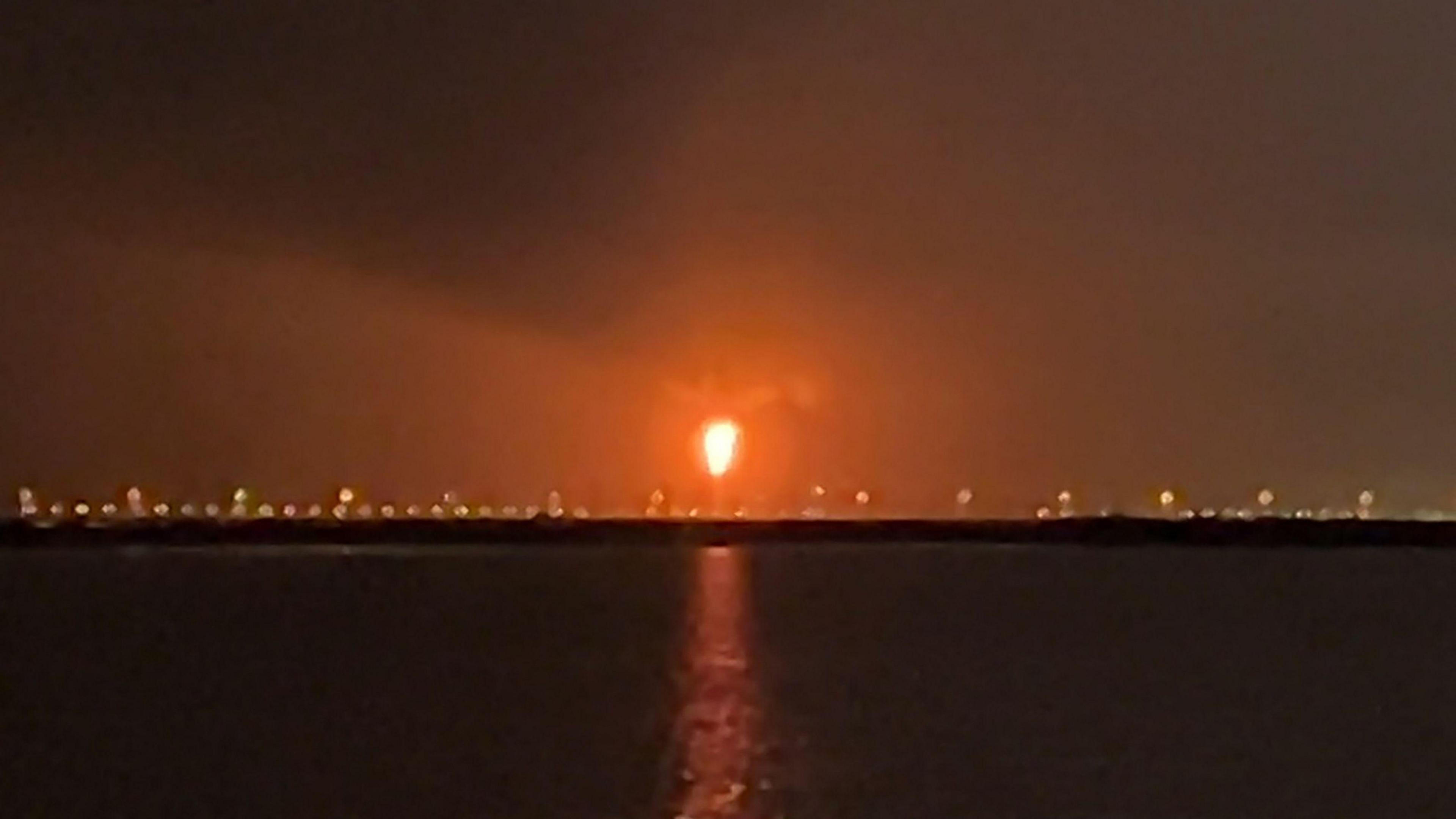
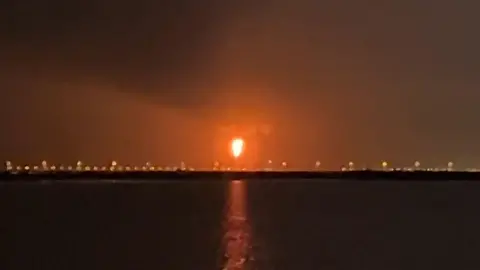
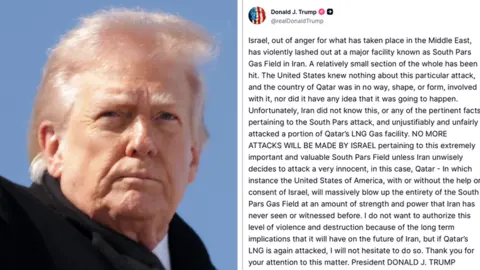
US President Donald Trump issued a typically strong statement in response to attacks on the major gas field shared by Iran and Qatar. After Israel targeted the South Pars field, Tehran retaliated by striking an energy complex in Qatar, causing a spike in energy prices and sparking outrage from Trump.
On his platform, Truth Social, Trump declared ignorance of Israel's offensive plans, noting, The United States knew nothing about this particular attack, and emphasizing that Qatar was not involved. This assertion runs counter to Israeli reports indicating that the attack was coordinated with the US.
Trump's wording hints at potential concerns over Israel's actions. He describes the assault as one of anger where Israel violently lashed out, a description typically reserved for Iran's responses. This may suggest a subtle critique of Israeli strategy.
Trump boldly warned, NO MORE ATTACKS WILL BE MADE BY ISRAEL pertaining to this extremely important and valuable South Pars Field, unless Iran further provokes tensions. The statement raises questions about whether he is attempting to maintain control over military actions or sending a warning to Israeli Prime Minister Benjamin Netanyahu to consult more closely in the future.
While Trump maintains that the US and Israel share war aims against Iran, the differences in operational strategy are becoming evident. Israel appears to be intensifying its military actions to destabilize the Islamic regime, while the US has focused on diminishing Iran's military capabilities.
Amid rising gas prices and the complexities of military engagements, Trump’s commentary reflects his frustration with the unpredictability of the war. The apparent disconnect between American and Israeli tactics on the ground may suggest that their alliance, while robust, is facing unprecedented challenges.
As the conflict evolves, both nations' leaders need to navigate the tensions carefully to ensure a unified approach against Iran.