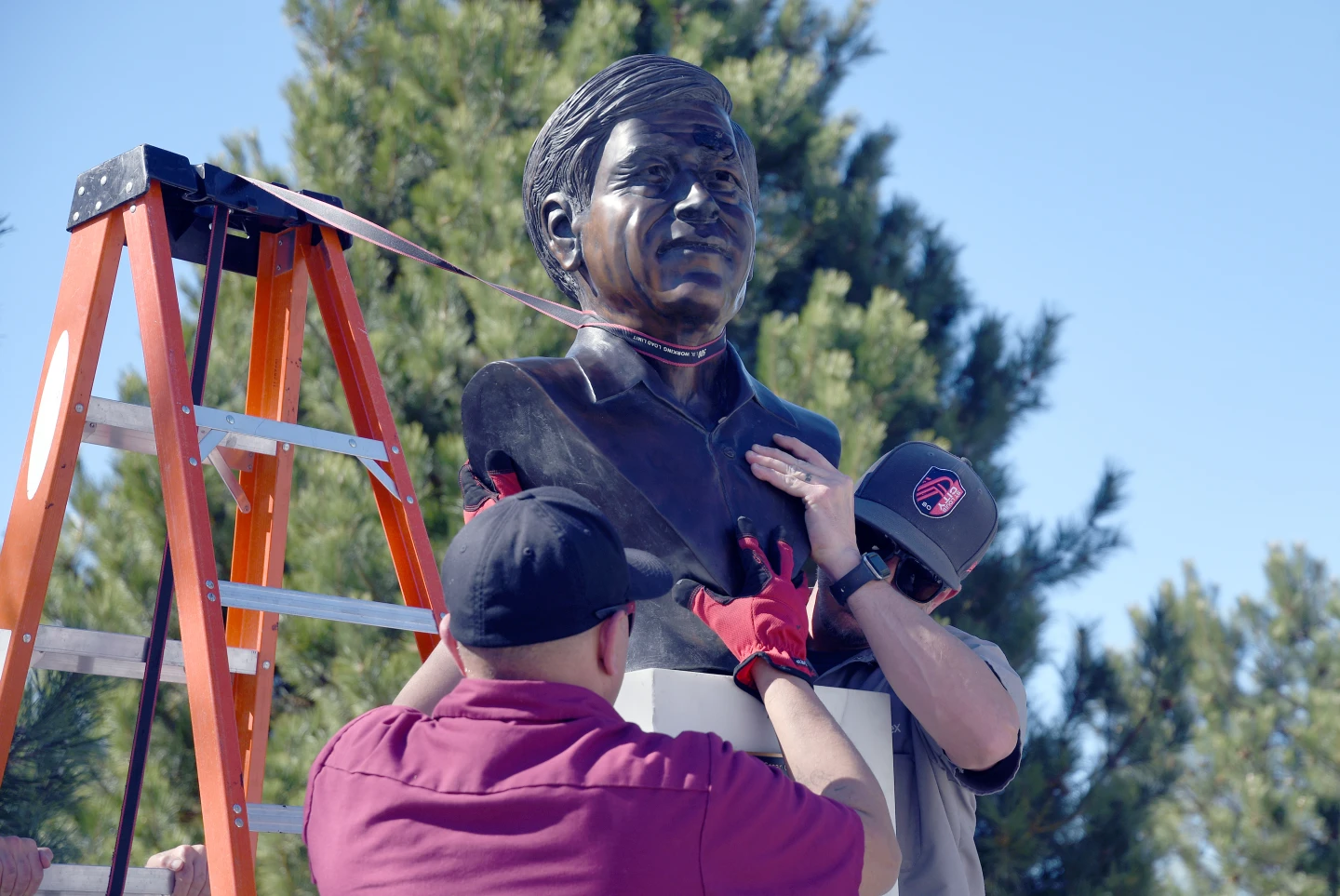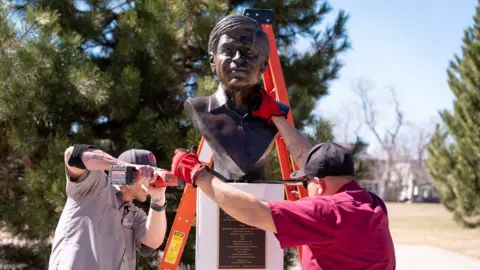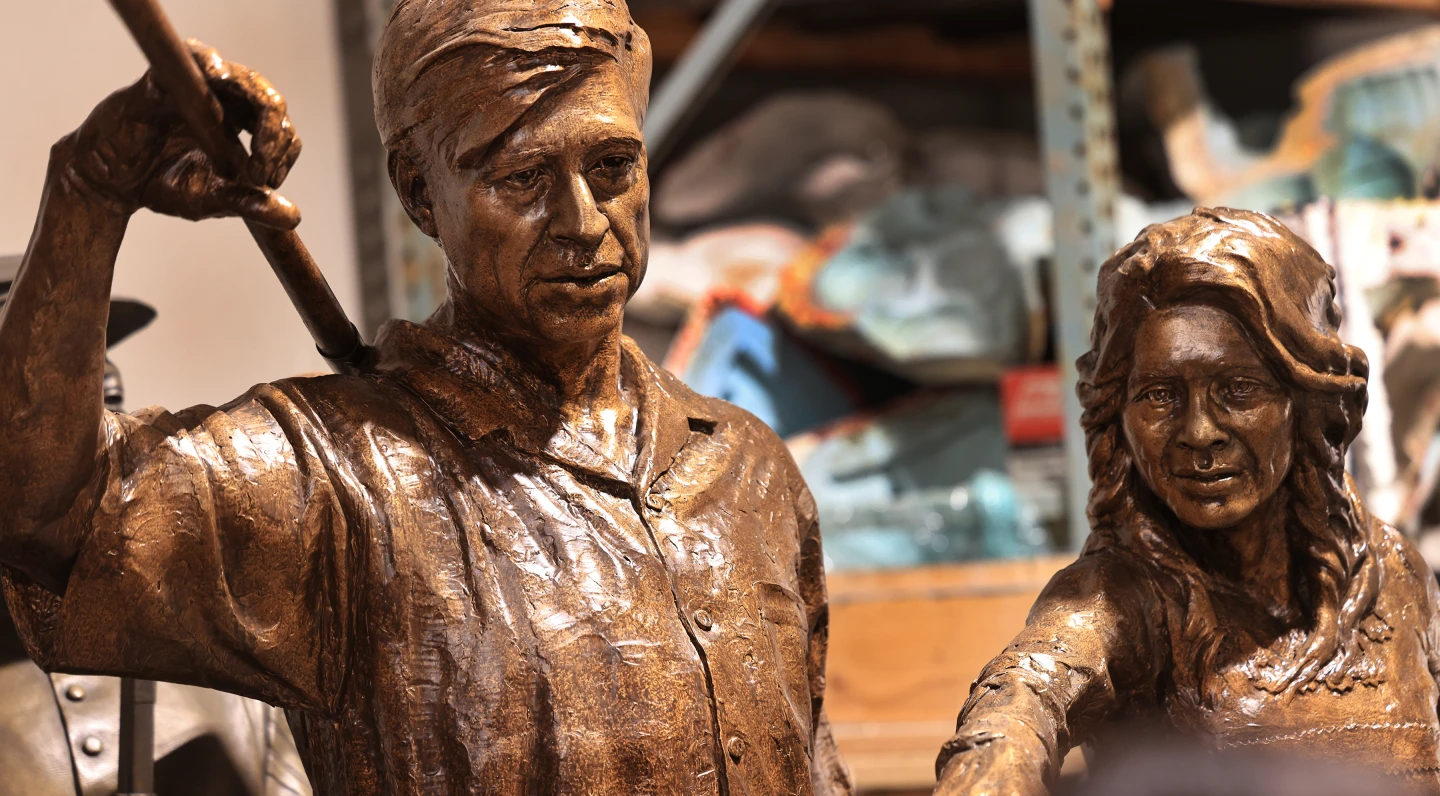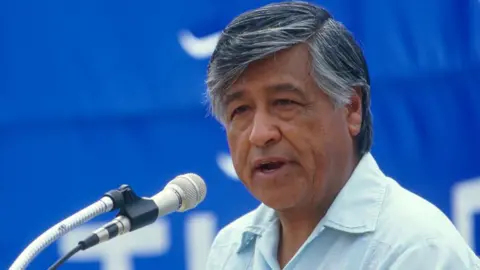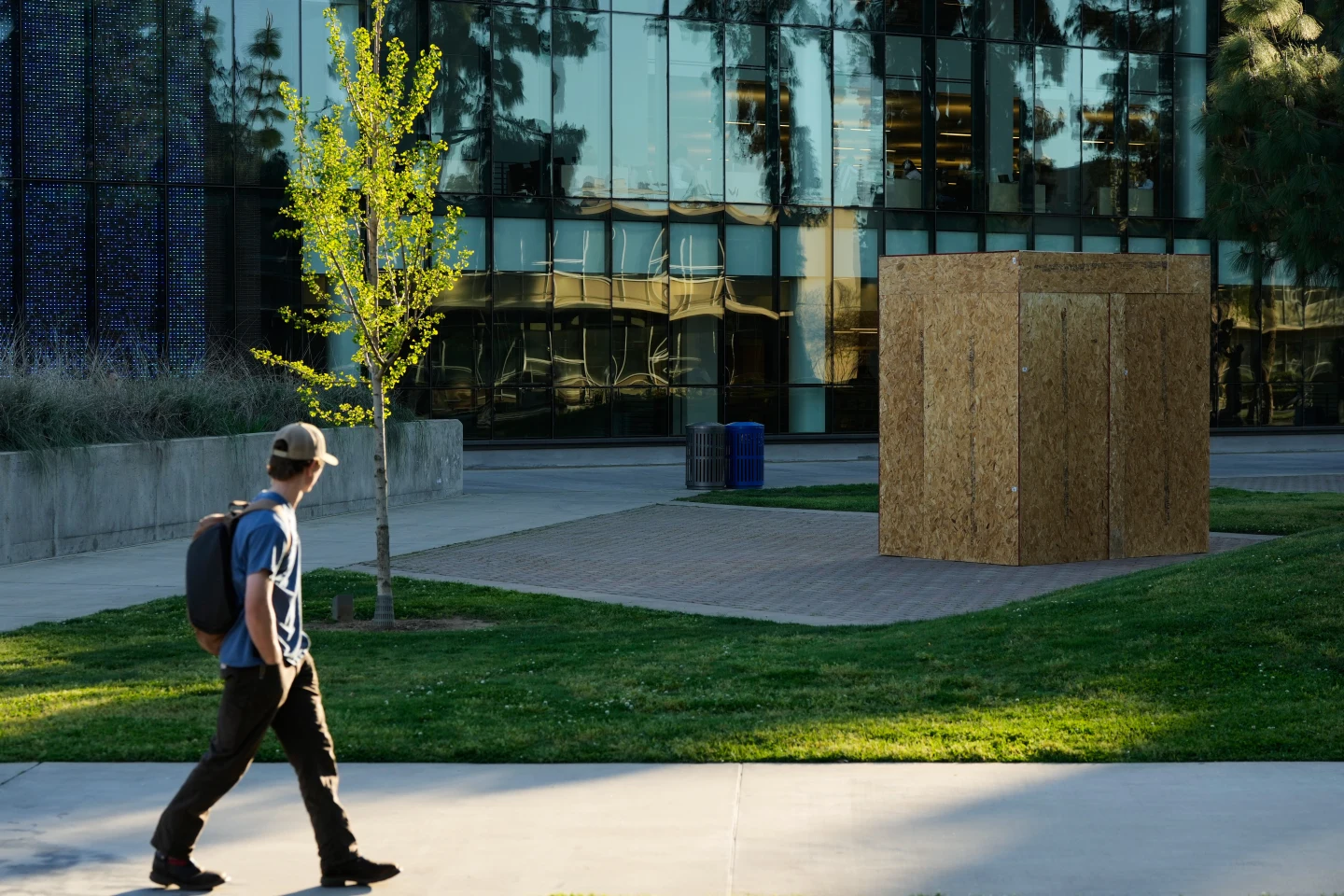
Within hours of explosive sexual abuse allegations against the revered labor leader César Chavez, officials at California State University, Fresno, took swift action: first covering his statue with black cloth, then constructing a plywood box to hide it from public view. Soon, they announced it would be taken down.
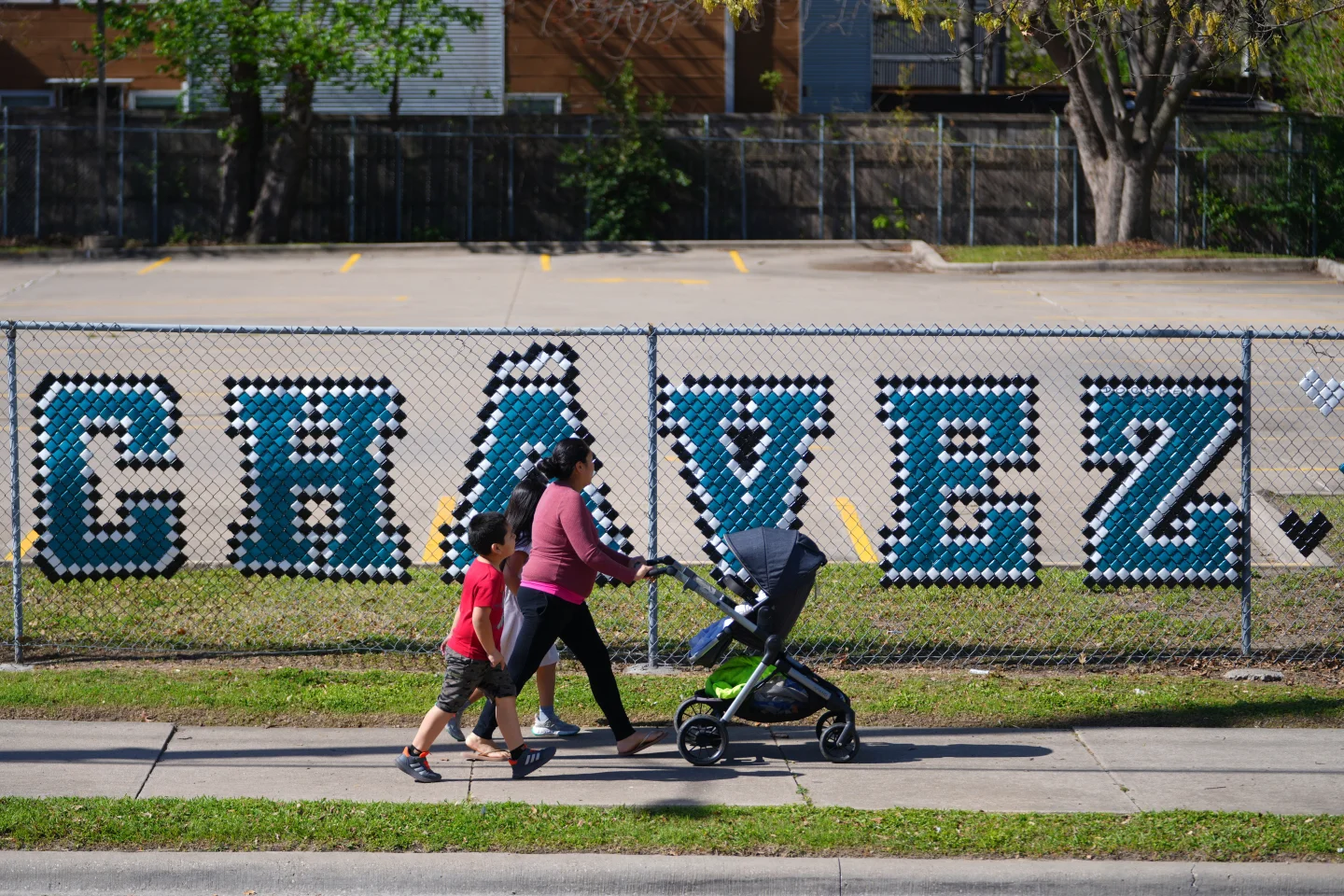
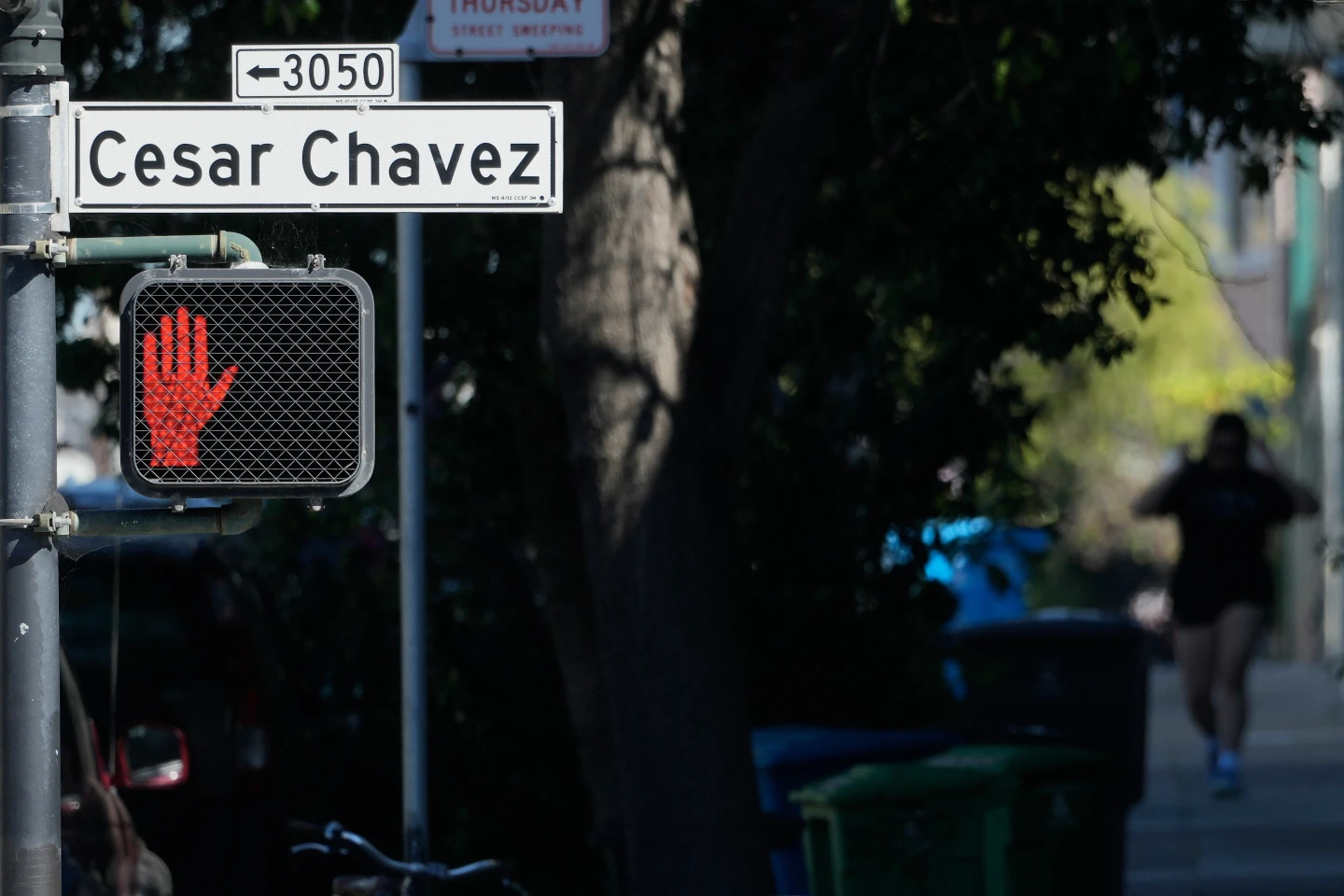
The statue is one of many monuments across the nation honoring Chavez and his labor movement legacy. The Associated Press identified over 130 locations or objects named after him in at least 19 states, encompassing libraries, streets, community centers, and schools.
Following the allegations, institutions and local governments are beginning to erase his name. This includes efforts to rename César Chavez Day, a federally recognized holiday celebrated on his birthday, March 31. Several planned celebrations have already been canceled.
These allegations call for our full attention and moral reckoning, which necessitates removing his statue from our campus, remarked Saúl Jiménez-Sandoval, president of California State University, Fresno. The timing of the statue's removal remains unclear.
Concerns are also rising about the future of the César E. Chavez National Monument, located in Keene, California, where some of the alleged abuse reportedly took place.
At a recent event at the Cesar Chavez Student Center at San Francisco State University, student Luca Broggi Hendryx recounted idolizing the labor leader. However, the recent developments have led him to call for a name change to separate the university from Chavez’s legacy.
It felt like a proud thing to have a building named after him. Now it feels the opposite, he expressed.
In Phoenix, city council members are set to vote on renaming the holiday and various locations bearing Chavez’s name, with Mayor Kate Gallego advocating for the name 'Farmworkers Day.' Denver has also swiftly moved to rename the holiday and a park, proposing to celebrate 'Sí, Se Puede Day,' mirroring the rallying cry of the farmworkers’ movement.
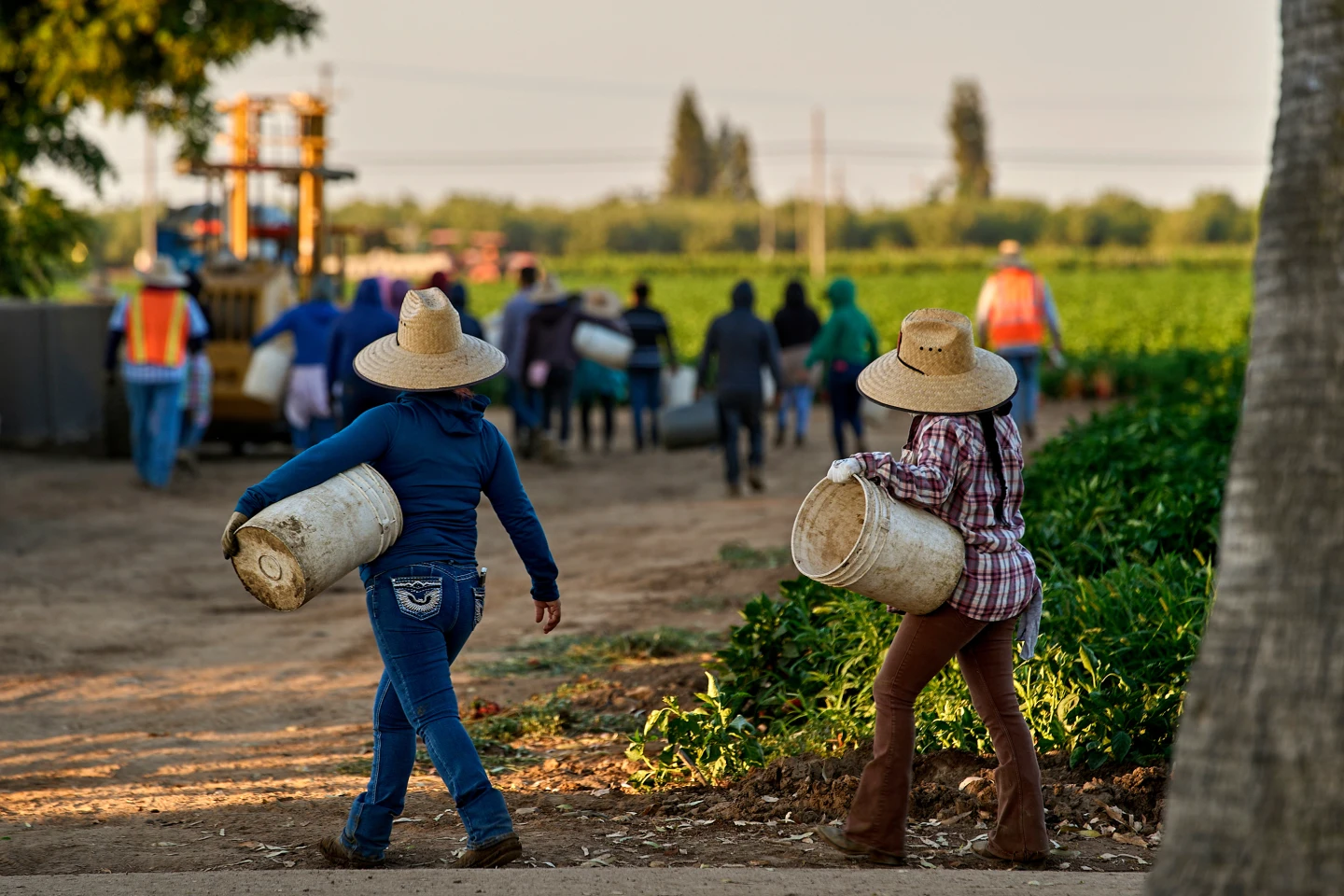
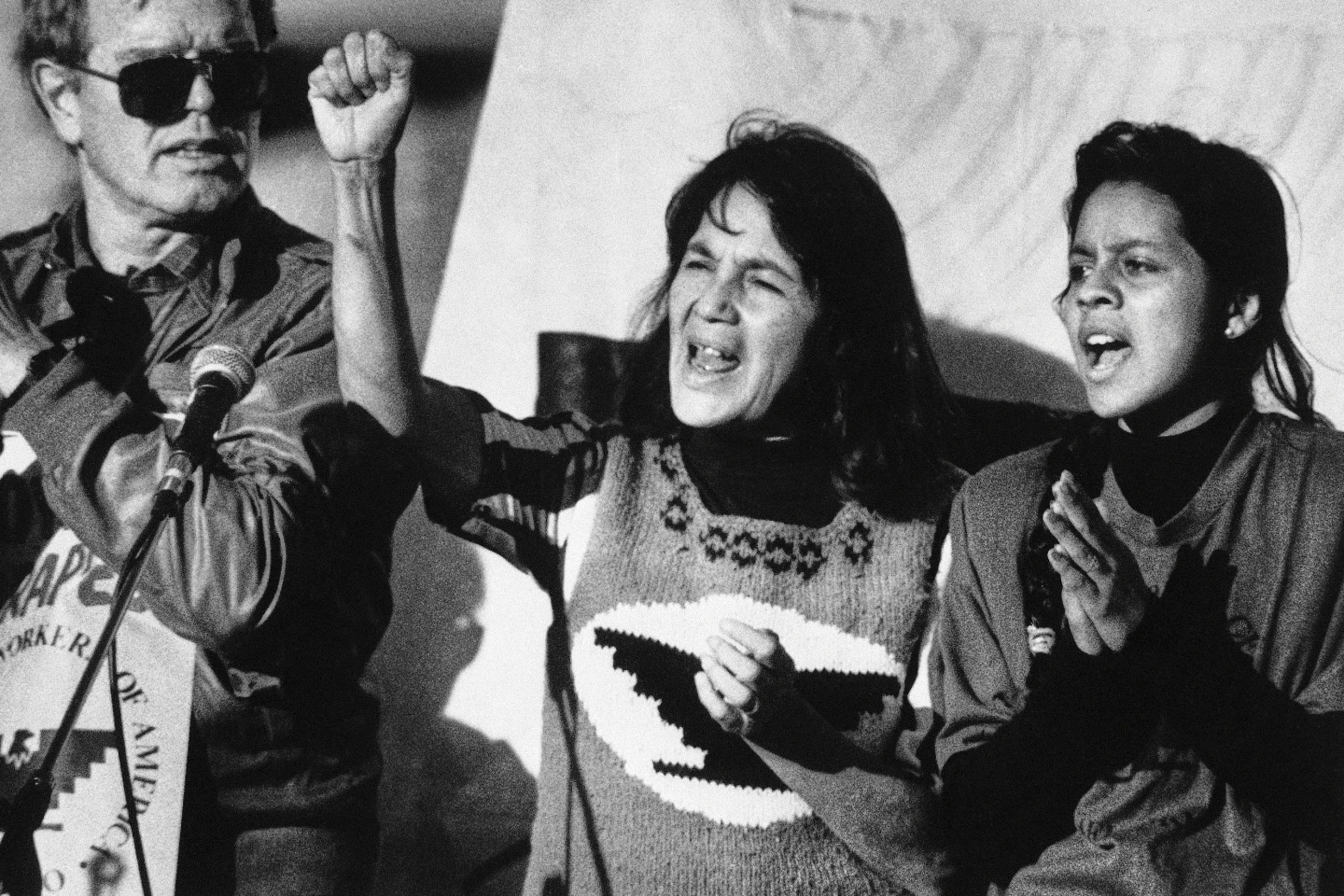
One ongoing discussion involves honoring Dolores Huerta, who, alongside Chavez, co-founded the National Farm Workers Association. Huerta, who recently shared that she was a victim of abuse by Chavez, joins calls for the transformation of public perceptions surrounding their historical contributions.
Given the extent of locations and monuments named after Chavez—including a U.S. Navy cargo ship—removing or altering names will necessitate significant legislative efforts, such as an act of Congress or intervention from the President, particularly for federal sites.
As discussions continue, community leaders emphasize the importance of recognizing the dignity of survivors and ensuring justice remains at the forefront.