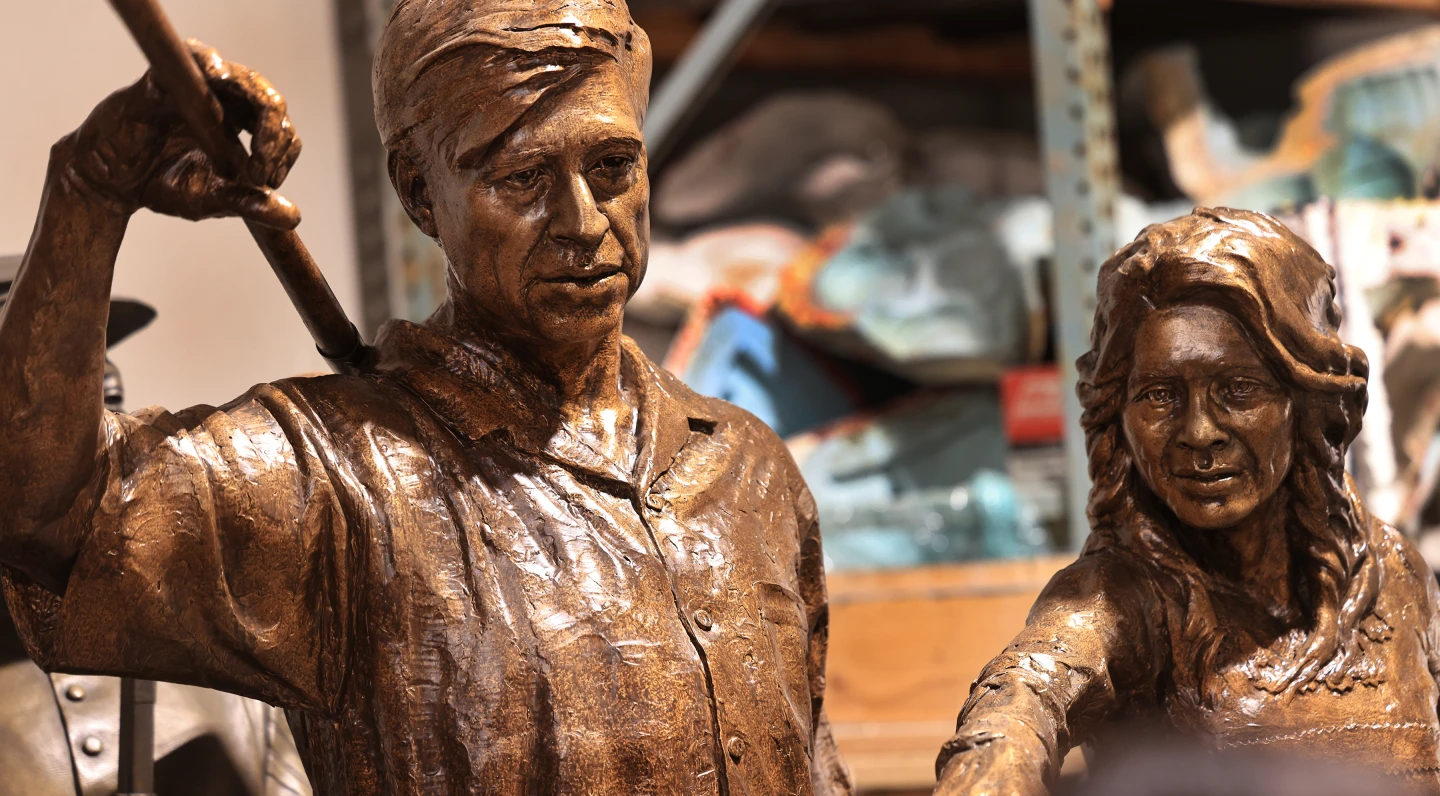
César Chavez and Dolores Huerta are celebrated as icons of labor rights, credited with leading a movement that transformed wages and working conditions for farmworkers. However, the recent emergence of sexual abuse allegations against Chavez, who passed away in 1993, has recontextualized their legacies.
Accusations have surfaced claiming Chavez sexually abused multiple women and girls, including Huerta. This has led to the cancellation of various celebrations planned to honor him, as communities grapple with the implications of these allegations amid their history and the fight for labor rights.
Chavez and Huerta co-founded the National Farm Workers Association in 1962, which later became the United Farm Workers (UFW), sparking one of the most significant labor movements in U.S. history. Paul Ortiz, a labor historian at Cornell University, noted that the UFW created the most sustained improvements in working conditions historically seen for agricultural workers.
Historically, agricultural workers in the U.S. had struggled for better conditions for centuries, with many efforts ending in failure. Chavez's rise to prominence coincided with critical activism against these hardships, marking a significant shift towards collective bargaining rights for farmworkers.
Despite their notable successes, including the establishment of rights to organize and a significant boycott that garnered national attention, the recent allegations cast a shadow on Chavez's contributions. Institutions, schools, and streets named after Chavez now face scrutiny, as the conversation shifts towards reconciling his contributions with the actions he allegedly took.
Dolores Huerta, now 95, played a vital role in this struggle and has been openly supportive of the movement for women's rights. She emphasizes the importance of addressing such allegations seriously, noting that they should not erase the impactful work done for farmworkers.
The legacy of Chavez remains tied to the considerable strides made for workers’ rights, yet the new allegations challenge communities to reconsider how they honor his contributions while acknowledging the testimonies of alleged victims.