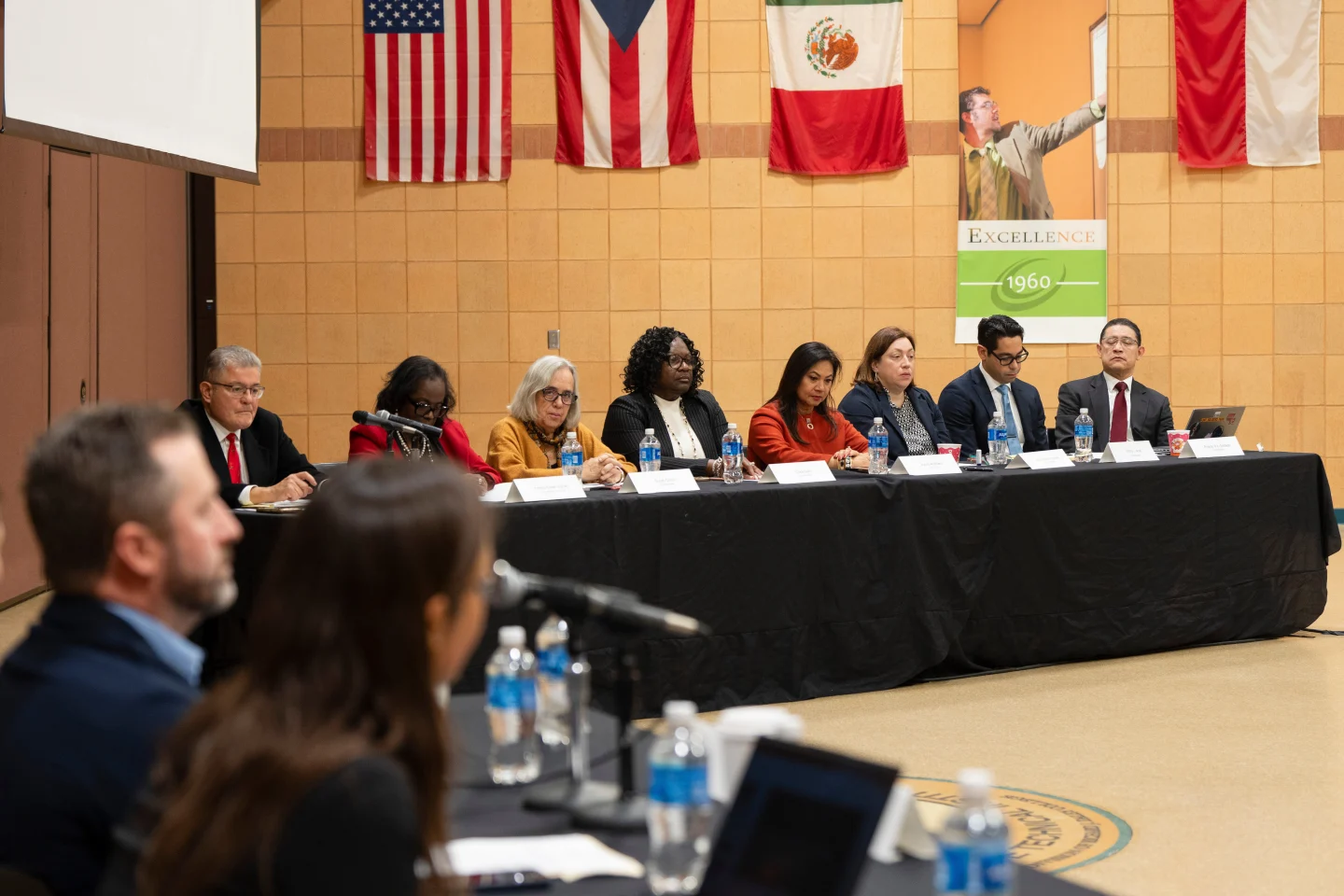
CHICAGO (AP) — A commission formed to document alleged harassment and abuse by federal agents during an immigration crackdown in the Chicago area reviewed the wide use of chemical agents at its first public hearing on Thursday.
The operation, which commenced in September, has been marked by aggressive tactics widely denounced by judges, elected leaders, and a growing number of residents in Chicago and surrounding suburbs. Instituted by Illinois Governor JB Pritzker, this commission is part of a broader resistance initiative by a Democratic-led state against the federal actions under the Trump administration, which critics label as discriminatory and an overreach of executive power.
“It’s going to be impossible to forget,” said Rubén Castillo, a former federal judge leading the commission. “The one thing we cannot do is accept this. This cannot be the new normal.”
During the meeting, contentious discussions arose regarding a Border Patrol commander's return to Chicago amid ongoing crackdown efforts. Over 4,000 arrests have been reported, including controversial incidents like federal agents allegedly pepper-spraying a toddler and her father.
As members played video clips and listened to testimonies documenting various incidents, there was an acknowledgment of the commission's limited power, as they cannot compel testimonies or enforce legislative changes. However, a report with recommendations is scheduled for release next year.
The commission comprises attorneys, community leaders, and retired judges aiming not only to provide a comprehensive record but also to counter the government’s narratives that often contradict the accounts from community witnesses.
Community feedback indicates the crackdown has led to a concerning atmosphere, impacting businesses and leading to decreased attendance in schools. The narrative presented by agencies about targeting dangerous criminals has been challenged, as many arrested lacked significant criminal backgrounds.
The hearing highlighted the adverse effects felt in areas like Little Village, which has been severely impacted by intensified immigration enforcement. Local leaders voiced the emotional and economic toll the operation has taken on the community.
The Department of Homeland Security defended its actions, claiming they are necessary due to rising threats against federal personnel; it has expressed commitment to removing violent offenders.
As communities react to these federal actions, the commission aims to shed light on the experiences of those affected by what many see as a disordered enforcement of immigration policies.