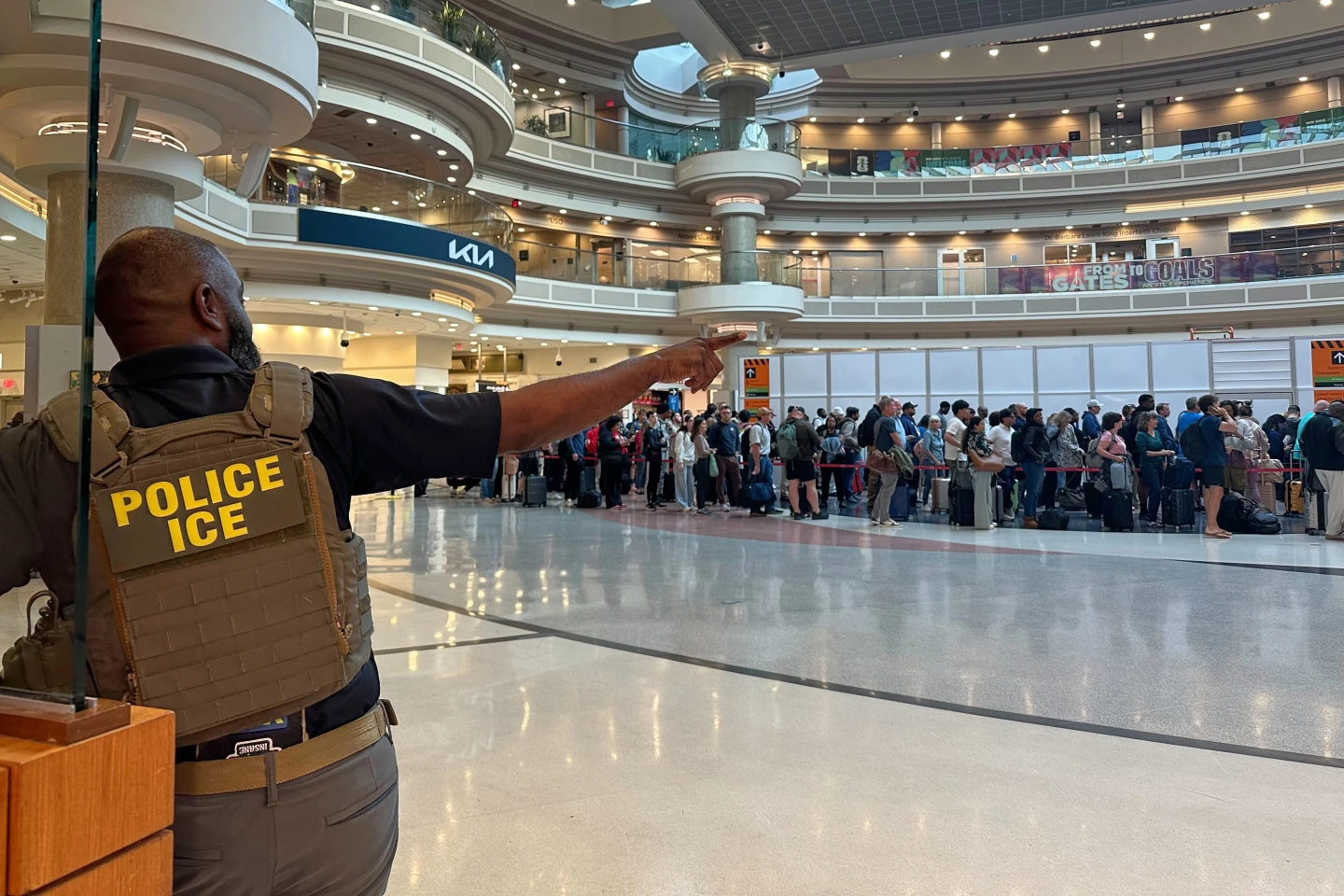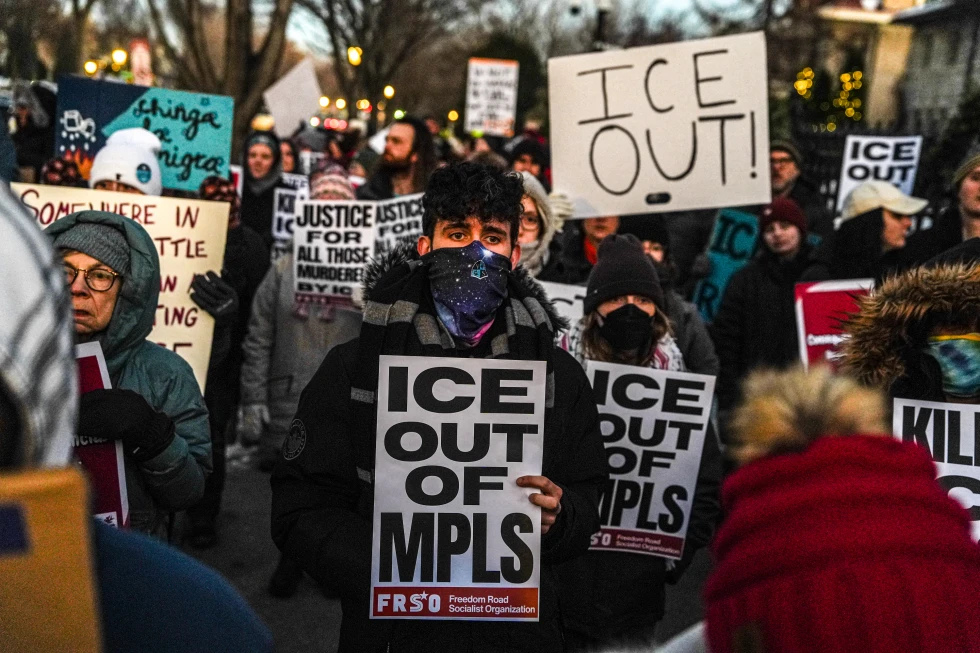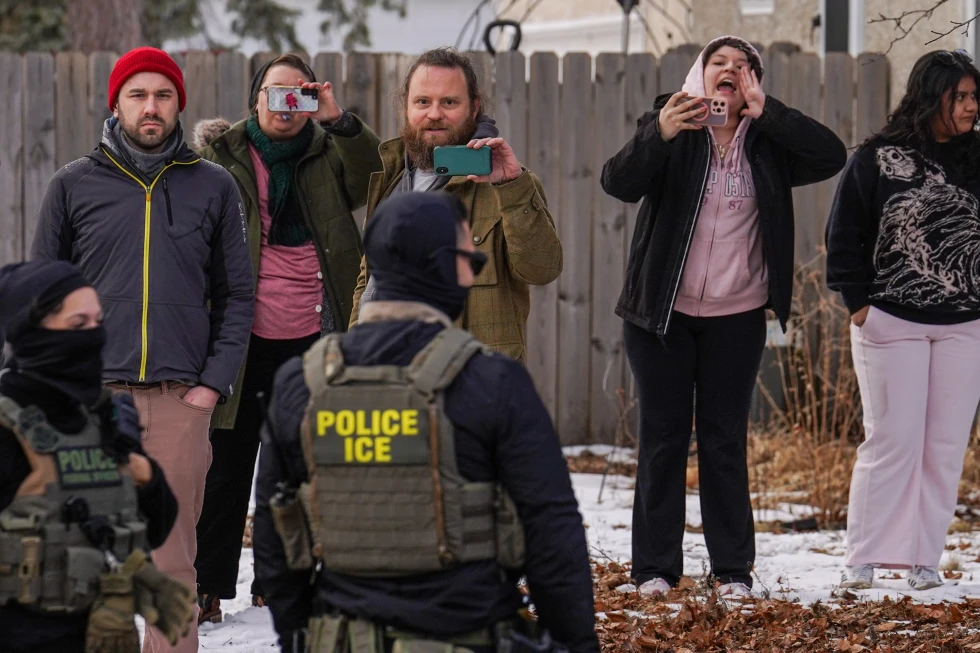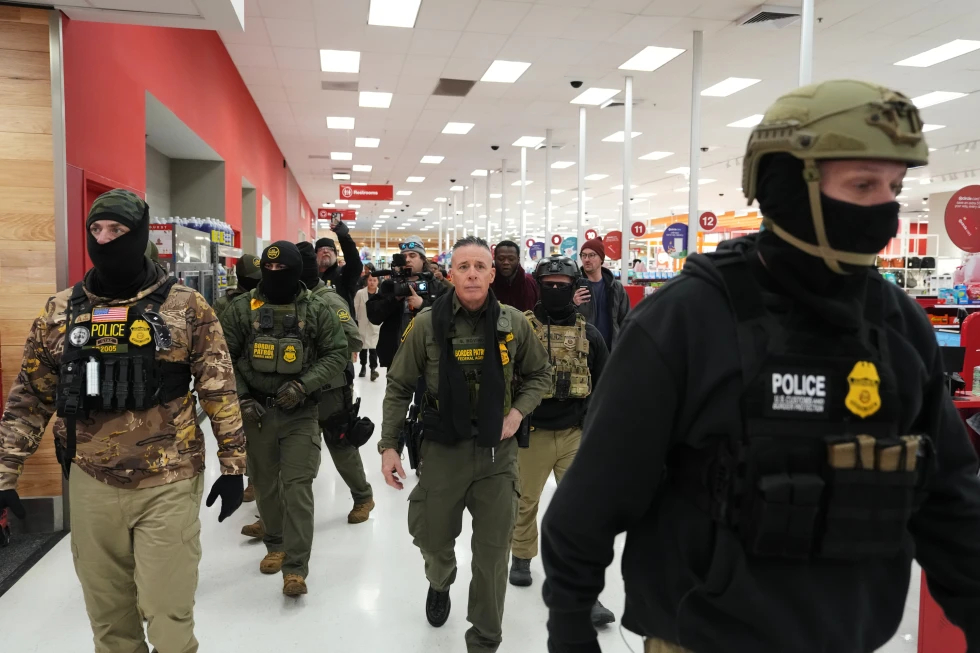
MINNEAPOLIS (AP) — As the Trump administration’s immigration crackdown in Minnesota winds down, Minneapolis is grappling with how to manage makeshift memorials for two U.S. citizens killed by federal agents last month.
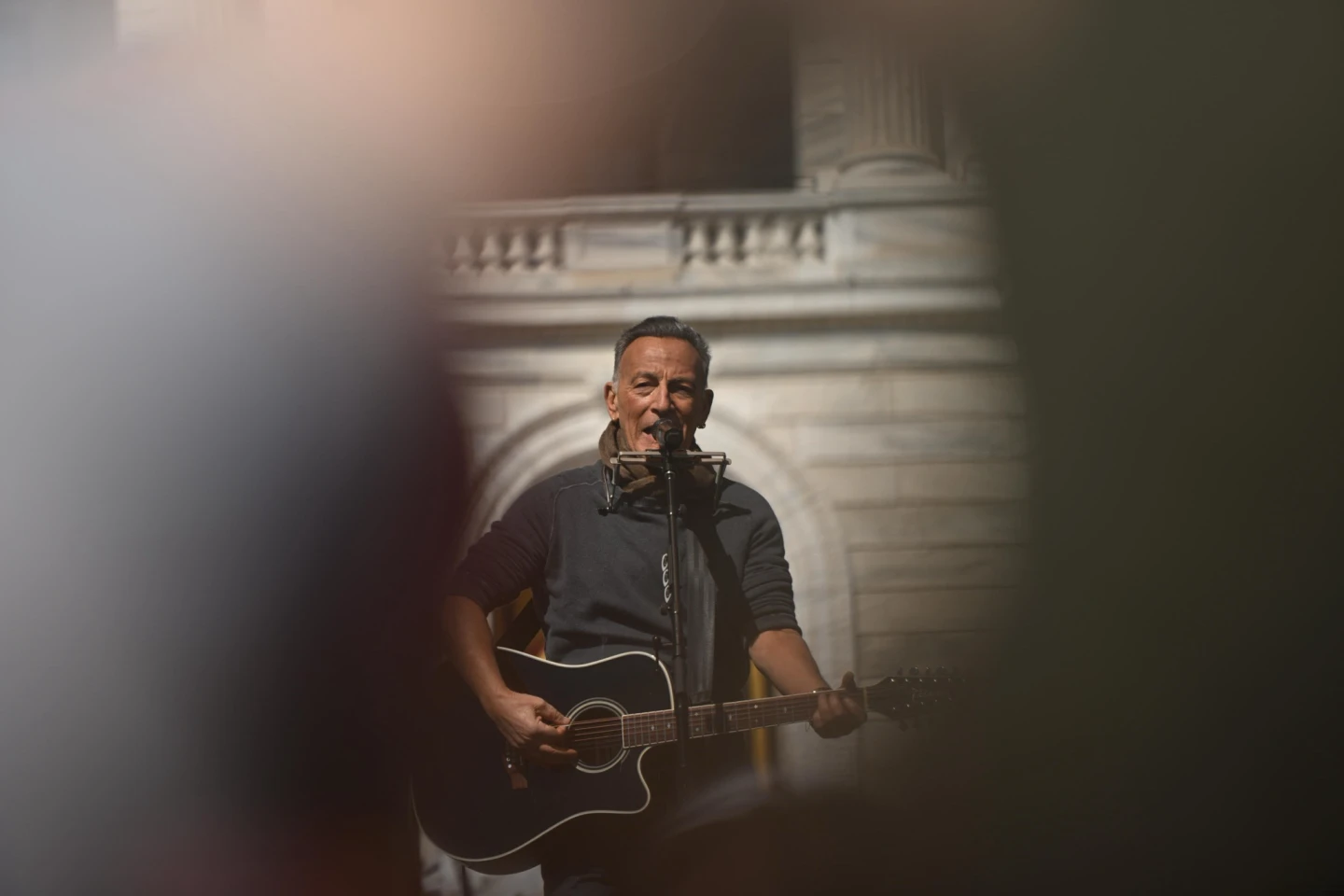
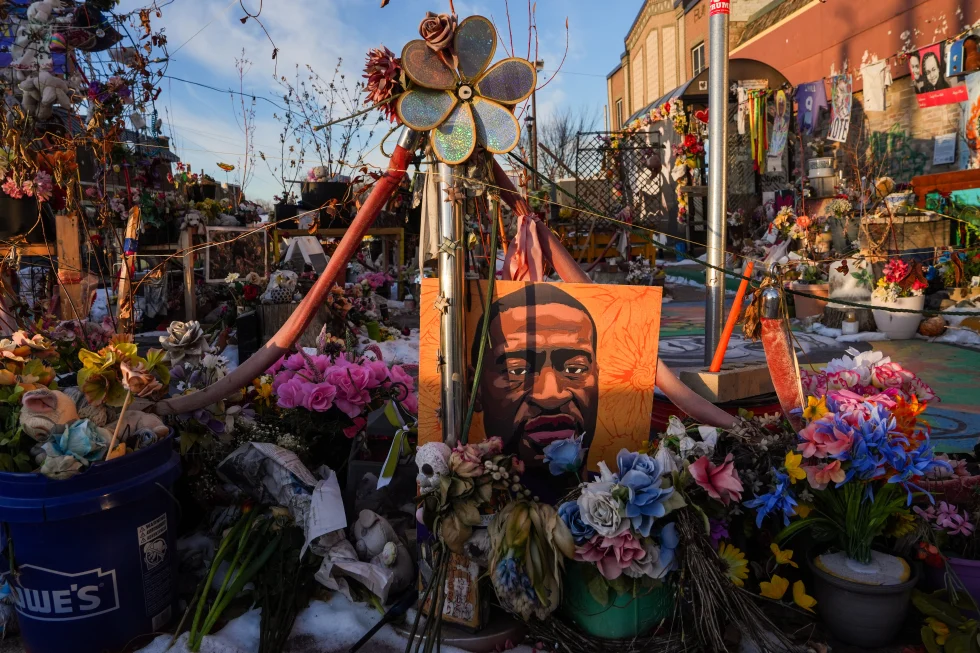
Piles of flowers, signs, and artwork have rapidly filled the spaces where Renee Good and Alex Pretti were fatally shot, becoming active sites of public mourning marked by candlelight vigils and musical performances.
These memorials mirror the similar community-driven tribute established for George Floyd, who was killed in an incident along the same street less than a year before Good's death. It took Minneapolis five years to finalize the memorial for Floyd, and with the added pressure of recent events, officials are determining the future of these two highlighted sites.
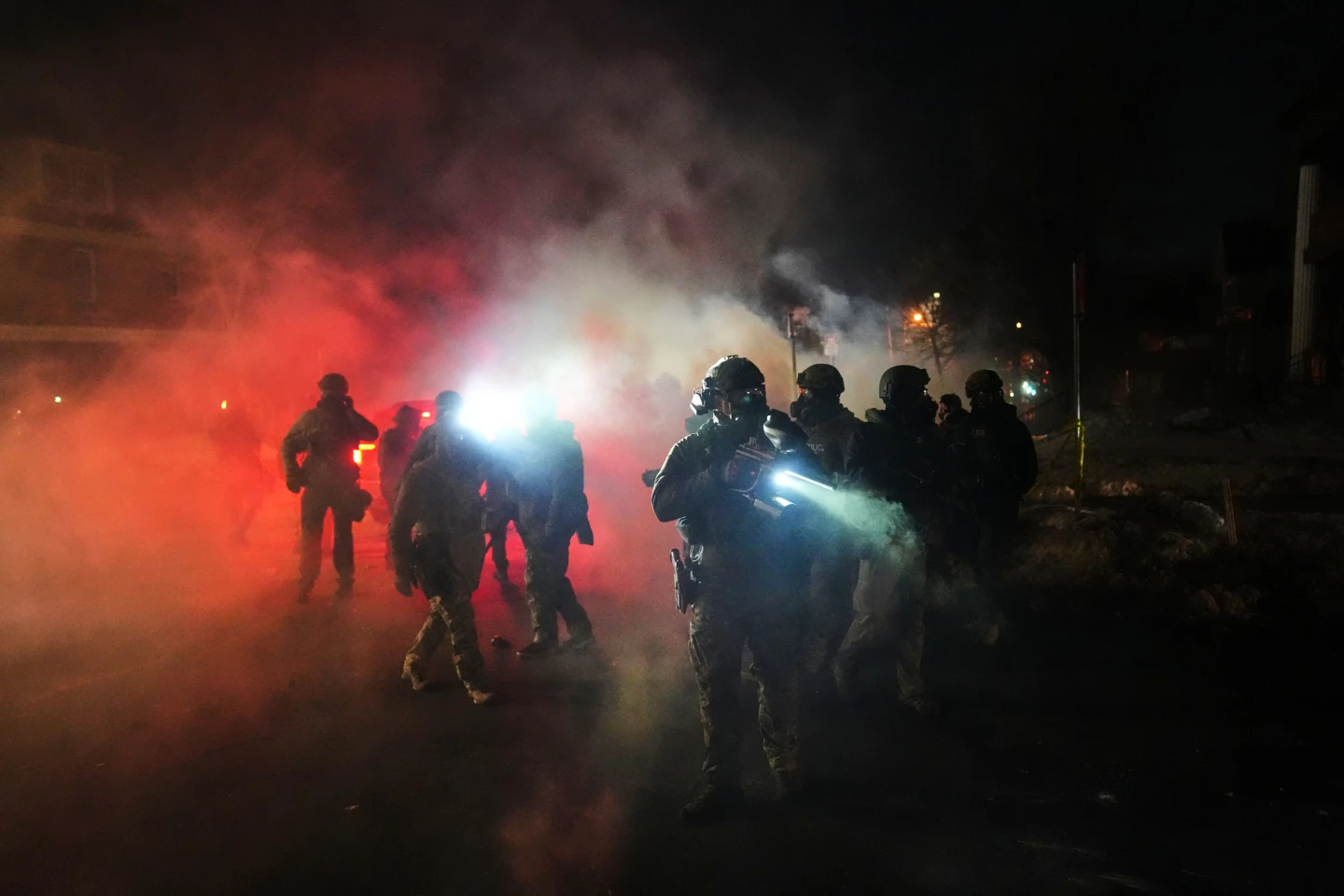
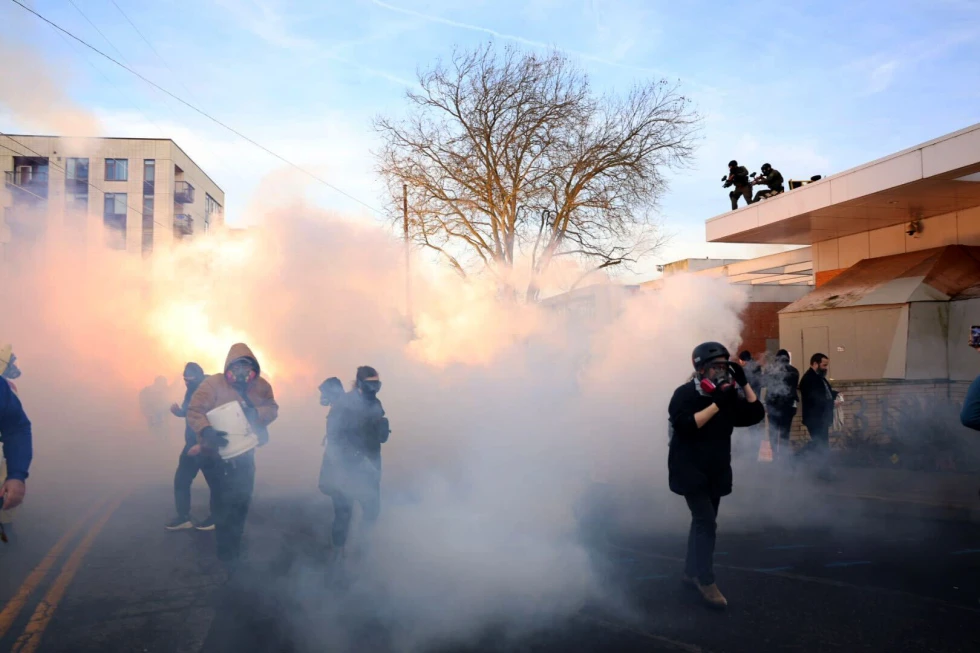
The memorial for Good arose swiftly following her death on January 7, while Pretti's memorial took shape just as federal agents employed tear gas that same day, illustrating the community's urgency to commemorate their lives. Visitors have left crosses, stuffed animals, and American flags at the sites, prompting ongoing discussions about their significance.
Local residents have expressed deep-seated outrage over the killings, counted as part of the ongoing trauma impacting the community. Karel Hoffmann, a resident, remarked on the poignant solidarity displayed at the memorials, acknowledging the grief shared among community members.
“This is so unfair, the trauma, for everyone, is too much,” Hoffmann stated as she visited Pretti’s memorial. “We’re all in this together. And I’m really glad they have this here so everybody can come and be together.”
As the city collaborates with the community to discuss possibilities for these memorials, city spokespersons emphasize their commitment to providing safe spaces for collective grieving and healing. This urgency is paralleled by concerns over the symbolic nature of having unregulated memorials amidst heightened tensions surrounding immigration policies.
The future of these memorials remains uncertain, but for now, they stand as critical points of reflection on the ongoing struggles faced by communities affected by practices of immigration enforcement.