In brief
On Monday, Burkina Faso’s military‑led government opened its first gold refinery, signalling a move to keep mineral wealth on home soil. Captain Ibrahim Traoré said the plant would close a long‑standing gap that let raw ore be sold abroad for low returns. The refinery’s capacity – 164 tonnes a year, expandable to 515 tonnes – could make Ouagadougou a regional hub for refining and improve job creation. The project is part of a broader push to regulate a sprawling informal mining sector that has fueled both development and conflict.
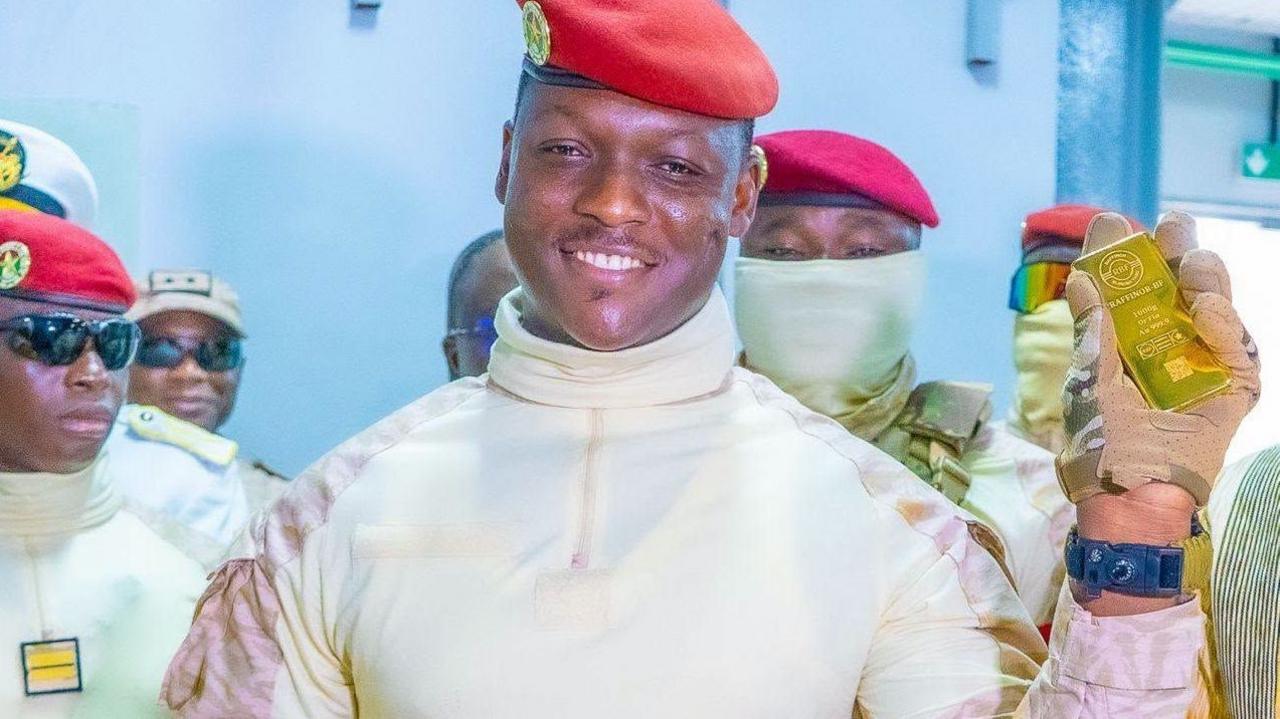
In a ceremony in Ouagadougou, junta leader Captain Ibrahim Traoré opened Burkina Faso’s first gold refinery, dubbed Raffinor‑BF. The plant marks the country’s first attempt to process its raw metal on its own soil rather than sending it abroad for a thin profit margin.
“We want to refine all our metals on site… we want to have the entire value chain on site,” Traoré told reporters, underscoring an agenda of economic nationalism and tighter state control over a sector that fuels both development and conflict.
Burkina Faso is Africa’s 12th largest gold producer, but a sprawling informal mining industry has long fueled insecurity, with smuggled gold reportedly funding insurgent groups. By bringing raw ore into a state‑owned facility, the junta aims to curb smuggling, create jobs and reinvest earnings locally.
The refinery can currently handle 164 tonnes of gold a year – more than the country’s current output – and could scale to 515 tonnes, potentially making Ouagadougou a regional refining hub. Foreign mining firms now face a mandatory 15 % state stake, further tightening national control.
While the project is framed as a step toward self‑reliance, critics point out ongoing insecurity, limited infrastructure and a history of mismanaged resource revenue. Nonetheless, the new refinery signals Burkina Faso’s decisive move to keep the value chain, and its cash flow, within its borders.