In brief
President Assimi Goïta has granted a pardon to Yann Vezilier, a French national convicted in Mali for allegedly trying to destabilise the junta. The decision follows a 20‑year sentence and marks a dramatic turn in the country’s stance toward France. While France’s foreign ministry previously called Vezilier’s alleged spying actions "unfounded," the pardon signals a shift in Mali’s foreign policy amid rising insecurity in the Sahel. Analysts warn that the move could signal a realignment away from French influence toward Russian support, complicating the balance of power in the region.
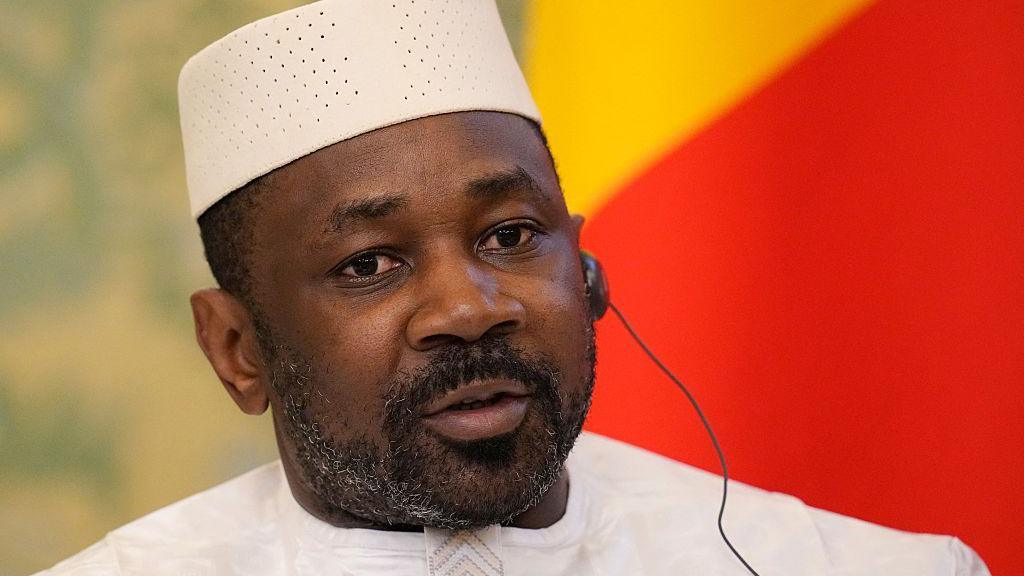
Mali’s military government has just granted a presidential pardon to Yann Vezilier, a French national sentenced last year to 20 years in prison for allegedly plotting a coup against the junta led by General Assimi Goïta.
Vezilier was accused of working on behalf of French intelligence, helping army generals and soldiers destabilise Mali’s institutions. He was arrested in September 2025 along with a network of alleged conspirators and found guilty after a highly publicised trial.
The decision to pardon him was announced Thursday. Goïta’s government released a statement saying that the clemency was not a reversal of the facts established by an adversarial judicial process, but a political decision. The pardoned individual was removed from Mali’s territory immediately, the regent’s office confirmed.
France’s Ministry for Europe and Foreign Affairs has yet to issue a formal comment. In the past, the French government denounced the allegations of Vezilier’s espionage role as "unfounded" and called for confidence‑building between the two countries. The pardon marks a significant departure from France’s prior stance and raises questions about the future of bilateral relations.
The backdrop to this decision is Mali’s enduring security crisis, which has enabled an Islamist insurgency to strengthen since 2012. The 2021 coup that brought Goïta to power was partly defended as a response to that turmoil. Since then, the country has endured military intrusions, ambassadorships and a refusal to hold elections that the junta had promised within two years of seizing power.
The security vacuum has prompted Mali to abandon ties with France and seek support from Russia, aligning itself with the Kremlin in a bid to curb jihadist attacks. However, Russian security arrangements have not yet appreciably improved the situation, and the region remains volatile.
International observers warn that the pardon could be a signal of a broader re‑orientation. A shift away from French influence opens the door for increased Russian involvement and could embolden jihadist groups by signalling that external intelligence ties are more fluid. Experts argue that maintaining stability in the Sahel will require a more balanced approach to foreign partnerships.
As Mali prepares for another decisive election slated for 2030, the pardon of an alleged French spy underscores mounting uncertainty in the country’s political future. How France, Russia and other global players navigate the changing relationship will decide the next chapter of Sahel security and regional diplomacy.