In brief
In July 2026, Nigerian authorities exposed a clandestine meth laboratory hidden deep in Ogun state’s forest, where three Mexicans and seven Nigerians were arrested. The facility’s sophisticated equipment and large quantities of chemicals underscored the operation’s scale, with authorities estimating over two tonnes of meth worth $360 million seized. The case highlights a wider trend: Mexican cartels are establishing production bases across West Africa, exploiting the continent’s dense forests, loose chemical regulations and market potential. Experts warn that such facilities shorten supply lines to Europe and Asia, amplifying threats of drug abuse and terrorism funding. Nigerian officials and international partners claim new surveillance measures will curb this burgeoning threat.
Three Mexicans and seven Nigerians were escorted in handcuffs through a makeshift courtroom inside a fenced, abandoned building in Ogun state’s dense forest.
The North‑Pacific court, temporarily relocated two hours from Lagos, witnessed Justice Musa Kakaki inspecting explosive chemical residues and laboratory equipment—an unprecedented tableau for Nigeria’s justice system.
Within the quarry, a gigantic drum of liquid methamphetamine, the precursor to crystal‑meth commonly called “ice”, dripped steadily, filling the space with a bitter, pungent aroma. Vats of viscous “crude” meth, propane cylinders and caustic soda bags littered the unfinished structure.
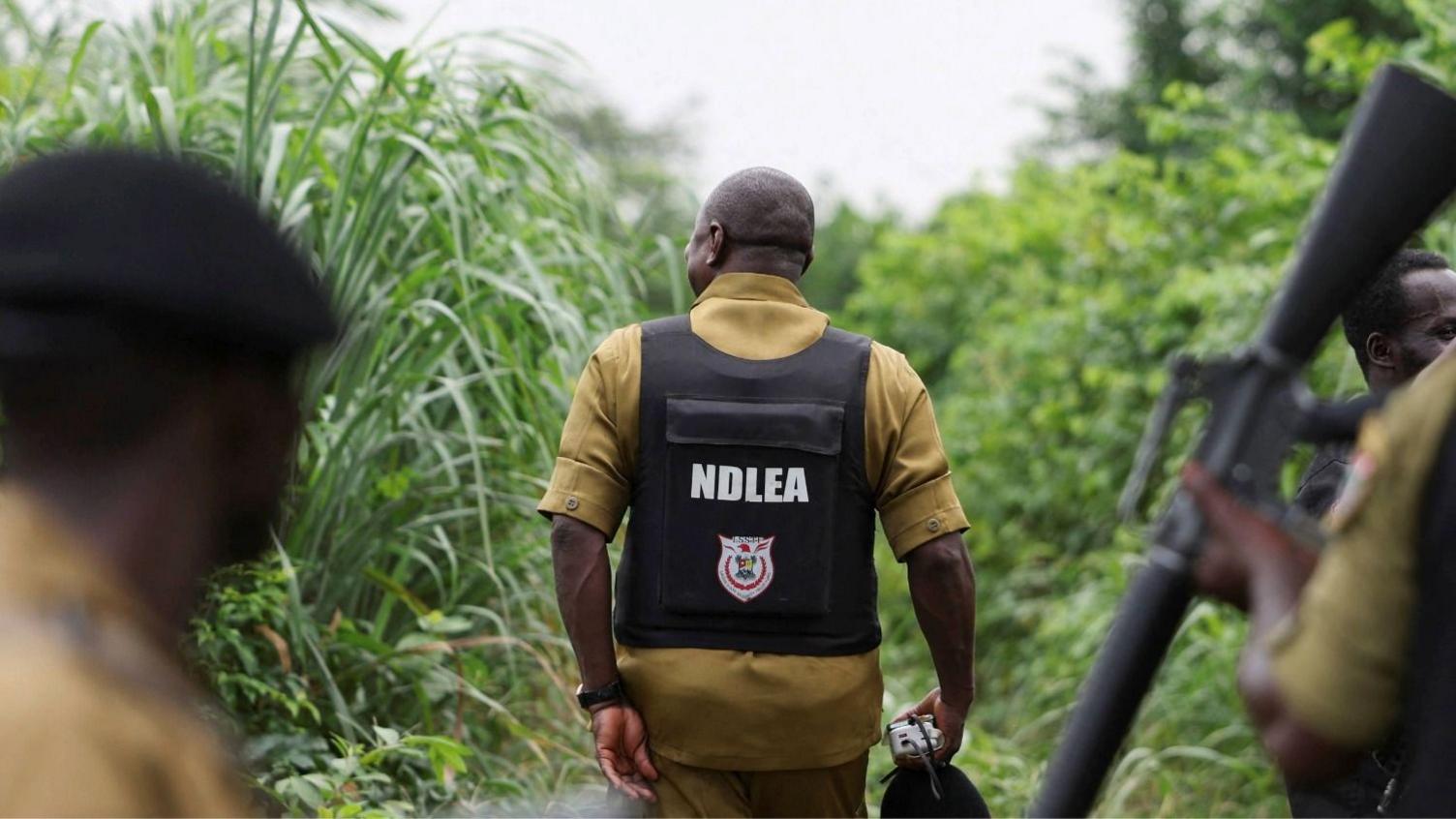
NDLEA officials called the raid the nation’s biggest meth bust to date, claiming a haul of more than 2,000 kg worth roughly $360 million (£270 million). The bust also dismantled a multi‑million‑dollar “Nigerian‑Mexican” meth production syndicate, according to their statement.
In August, a second meth lab was uncovered in nearby Oyo State, resulting in five new arrests, including a Mexican “cooking” expert. The raids illustrate West Africa’s increasing role as a local production base rather than a mere trafficking corridor.
James Griego, counter‑narcotics leader for US‑Africa Command (Africom), noted that Mexican cartels have relocated synthetic drug production to Africa for decades, citing relentless sophistication and the drug’s ability to be produced anywhere with the right chemicals.
Africans, according to NDLEA spokesperson Femi Babafemi, represent a massive youth labour pool and local market. The 2018 UN‑ODC survey reported that 14.4% of Nigerian adults had used illicit drugs—over twice the global average.
Geographically, West Africa’s secluded forests, porous borders and lenient chemical imports offer an attractive setting for clandestine meth labs, while proximity to Atlantic routes enhances access to European and Asian consumer markets.
In 2023, while 14 Mexican‑operated labs were raided worldwide, the African count rose to five in 2026, with four in Nigeria. Intelligence from Africom and the DEA linked these sites to Sinaloa and Jalisco New Generation Cartels.
Military and intelligence reports allege collaboration between terrorist groups and drug cartels, using drug profits to fund terror operations across the continent.
Experts warn that, unlike plant‑based drugs requiring specific geographic inputs, meth can be produced anywhere with the right chemicals and expertise, lowering barriers for organised crime groups.
Given the rise in concentration of raids and the sophistication of labs, authorities emphasize proactive surveillance, intelligence sharing, and stringent chemical import controls to prevent the spread of meth and safeguard local communities.
“It’s definitely a concern but it helps us stay vigilant and be proactive. We’re able to catch them before they move into our communities and the international market,” said NDLEA spokesperson Babafemi.
“Nigeria won’t be a safe haven for them,” the spokesperson added.