Behind bars: 33 deaths in a cramped Nigerian cell
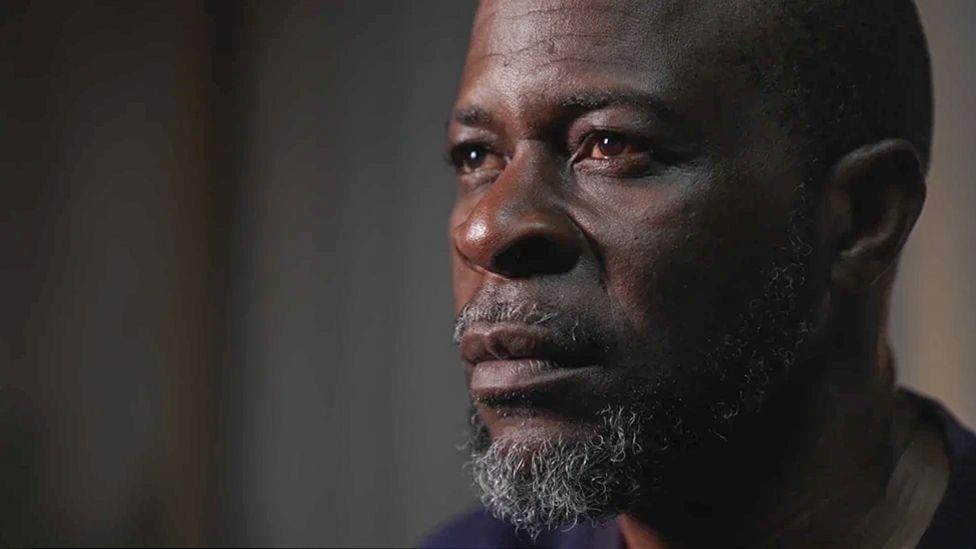
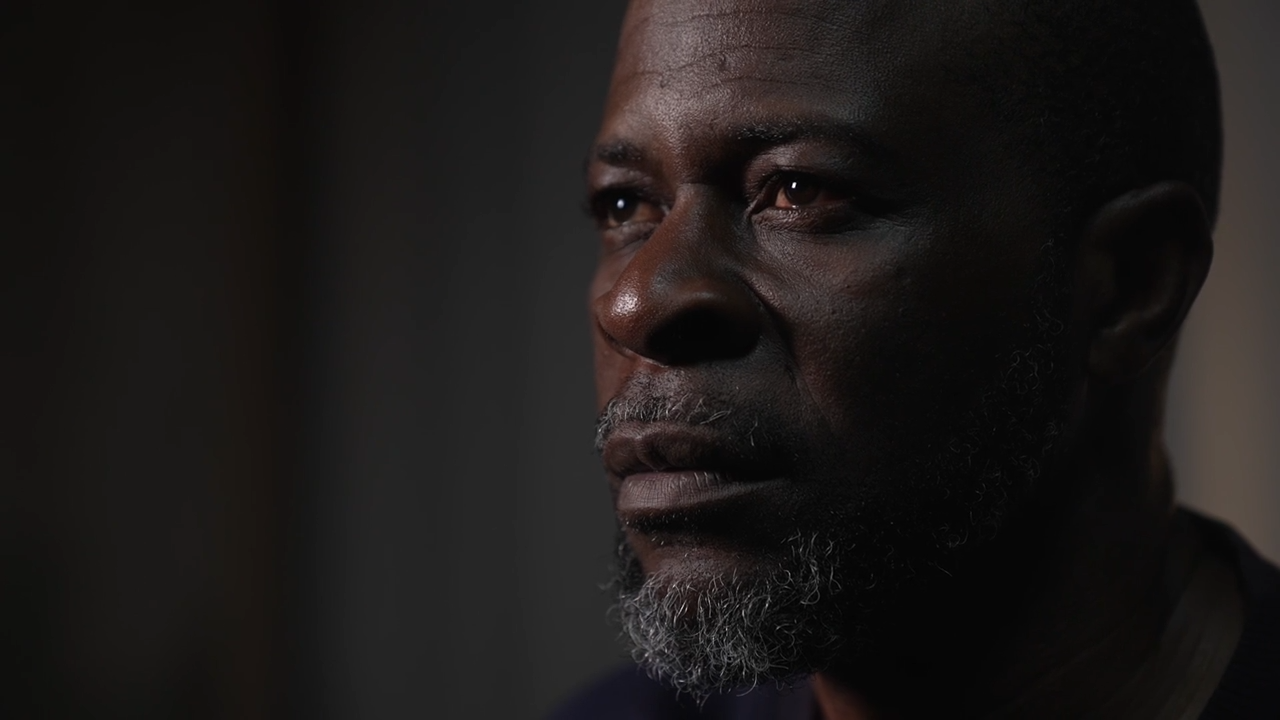
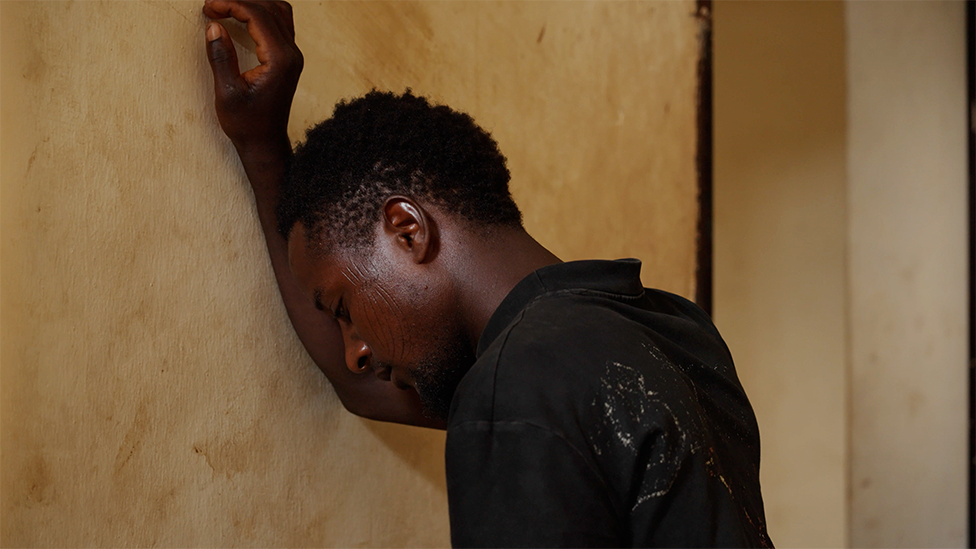
The day before he was freed, Usman Muhammad lay on a stone wall in a tiny, 19‑by‑9‑ft prison cell that held more than 50 inmates. The temperature inside exceeded 25 °C and the relative humidity was over 90 %, a combination that can inhibit the body’s natural cooling via sweat. Only a small, high‑placed window offered a whisper of air, and no water was made available. “It felt like fire burning,” Muhammad says, describing the oppressive heat that made breathing difficult.
In just a few hours, 33 prisoners succumbed to the conditions; four more died later in hospitals. Survivors reported that some were forced to drink their own urine and scrape sweat off their skin to survive. Those trapped shouted for help, but a guard who answered locked the door after refusing to give water, and the deaths continued.
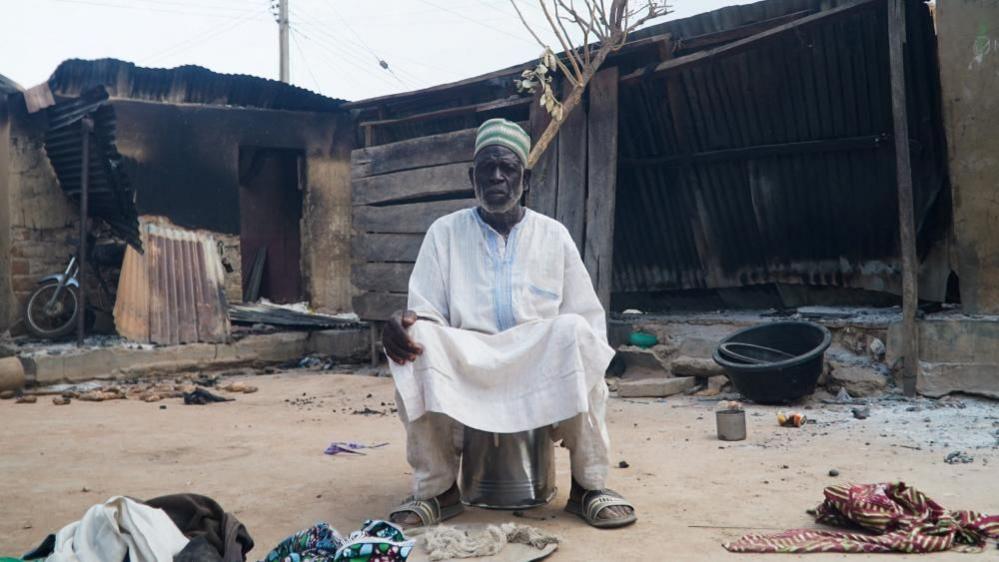
Local communities erupted in protests, and attacks on public buildings ensued, demanding answers. Federal officials first blamed a diphtheria outbreak, but given the evidence of neglect, a parliamentary committee was convened. The committee has two weeks to determine the causes, identify responsibility, and recommend action, with any obstruction deemed serious. The governor of Niger state, Umaru Bago, said, “The people who were killed are not flies. How can this go unlooked? We will get to the bottom of this.”
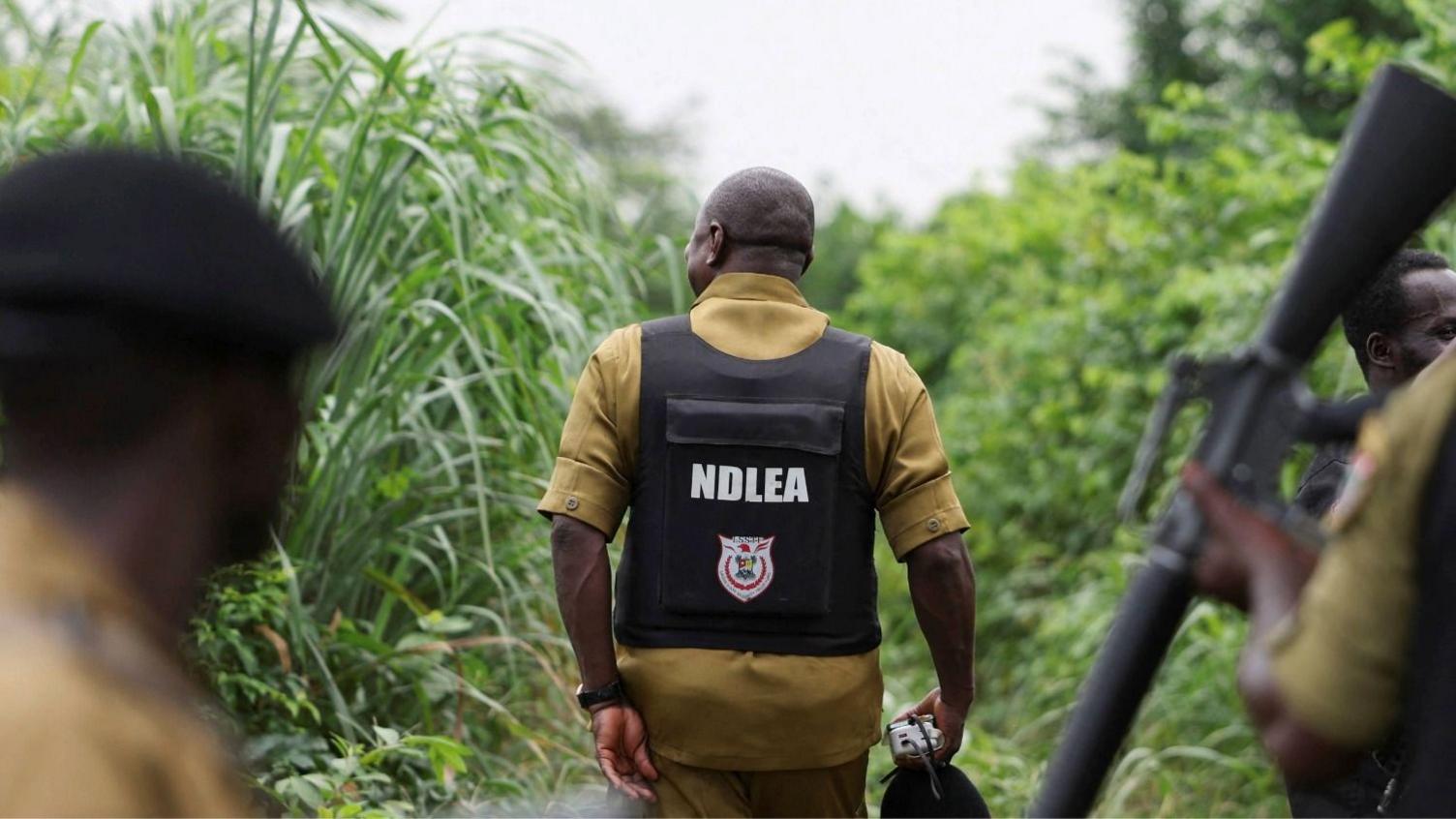
Investigation underway: The Nigeria Security and Civil Defence Corps has placed 24 officers, including the suspended state commandant Suberu Aniviye, into custody. The inquiry seeks to uncover whether the conditions were intentional, a systemic failure, or a tragic combination of both.
The day after the cell door opened, bodies were illuminated in the stark light of the single high window. In the months that followed, survivors’ testimonies highlighted the urgent need for accountability and better prison infrastructure across Nigeria.