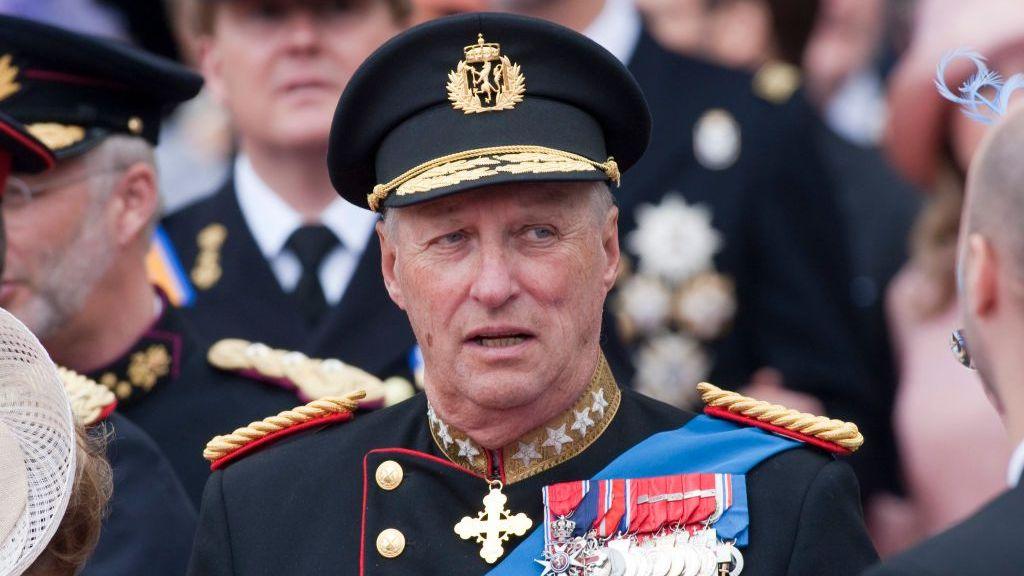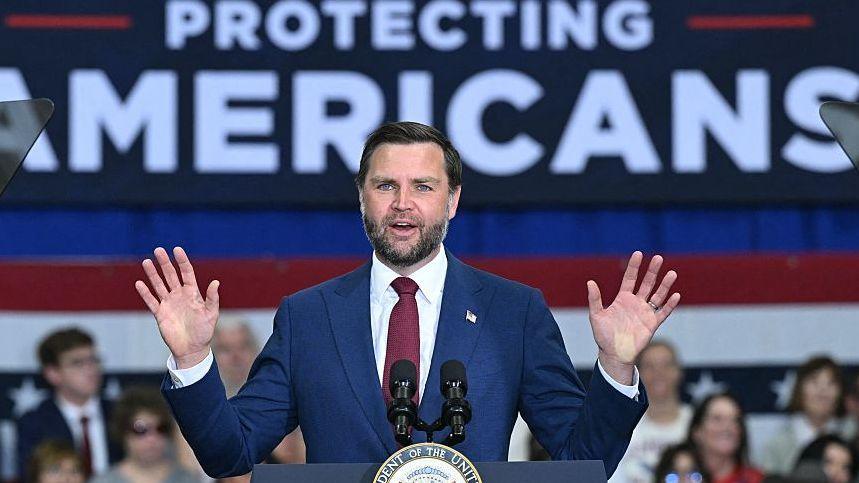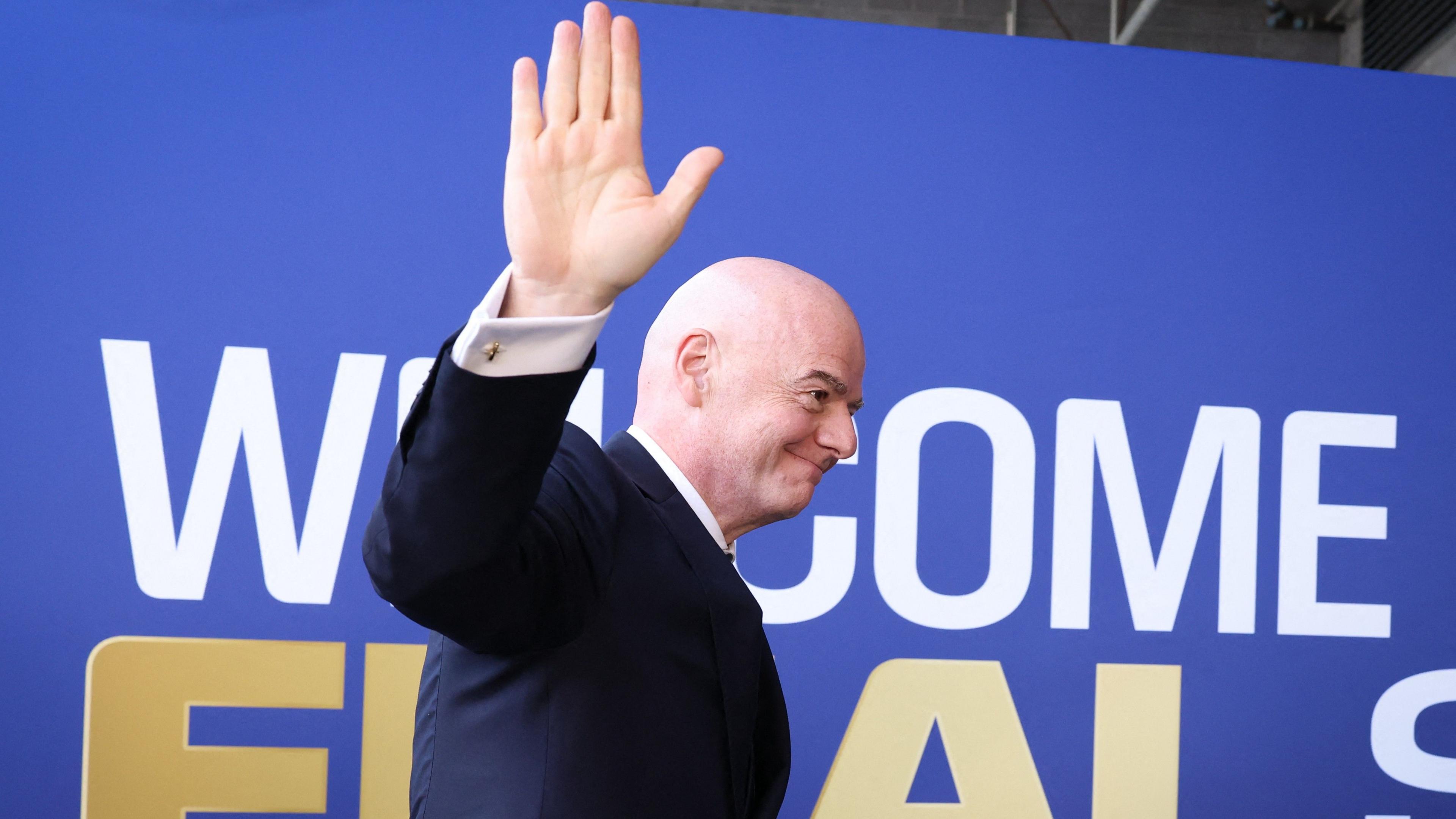
Gianni Infantino reached the height of his career in July when he rode a private jet across the United States before the World Cup final and walked with US President Donald Trump to hand over the trophy to Spain. Two weeks later, however, Infantino appeared isolated after scrapping a controversial investment plan for FIFA competitions, a move that drew sharp criticism from UK Prime Minister Andy Burnham and from football fans who claimed the plan threatened the integrity of the sport.
The backlash intensified with a threat from the European governing body UEFA to boycott FIFA competitions, a stance echoed by Concacaf and the AFC. Each body released statements highlighting the weaknesses in FIFA’s consultation and decision‑making processes, warning that the issues extend far beyond a single proposal.
In the wake of these tensions, Infantino’s future has come under review. Former FIFA vice‑president Jim Boyce has suggested that Infantino may still have enough support to be re‑elected, but the situation remains uncertain. Former Fifa chairman David Bernstein notes that the organisation’s governance style means that the President can survive as long as he retains backing from national associations.
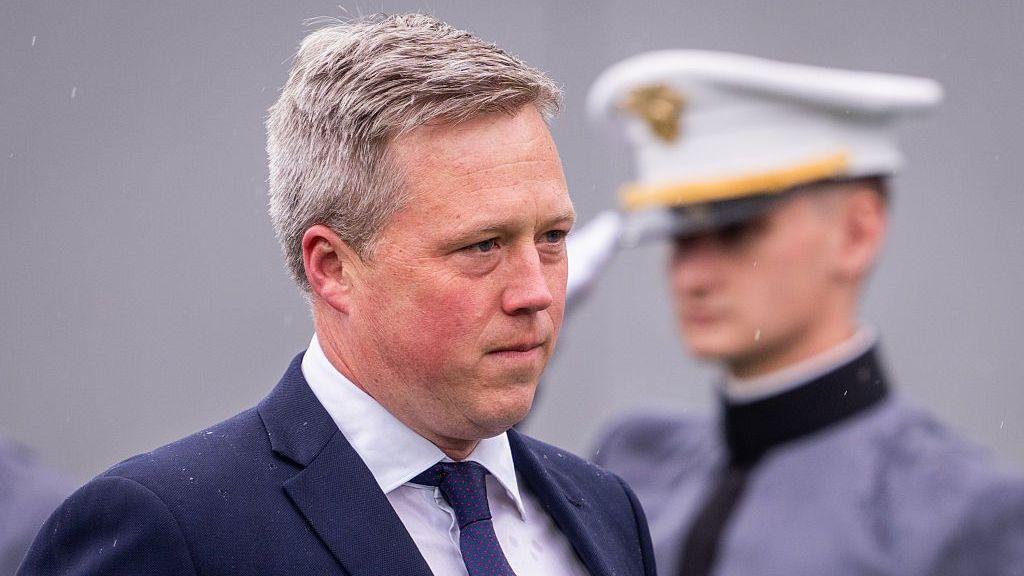
If Infantino were to resign, a number of high‑profile figures could be considered. Victor Montagliani, the president of Concacaf, led a major expansion of the Copa America and has been involved in the 2026 World Cup host negotiations. Sheikh Salman Bin Ebrahim Al‑Khalifa, the president of the AFC since 2013, has overseen the growth of the Asian Champions League and the launch of a Women’s Champions League. PSG president Nasser Al‑Khelaifi, who chaired the European Football Clubs association, has a track record of unifying major clubs and could bring a strong business perspective to FIFA. Mattias Grafstrom, FIFA’s secretary general since 2024, has exercised close influence over the organisation and could offer continuity.
The next FIFA election will be held during the 77th FIFA Congress in Morocco next March. Candidates have until 18 November 2025 to submit their names. The outcome will shape the direction of international football and determine whether a new governance model will emerge to address the controversies that have surrounded the role of the president in recent years.