Court Hearing in Miami
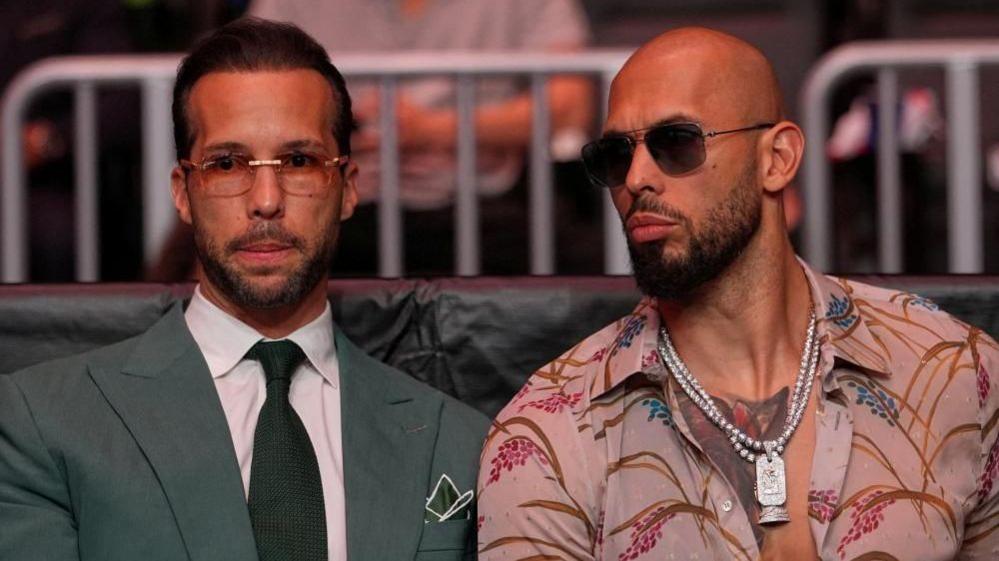
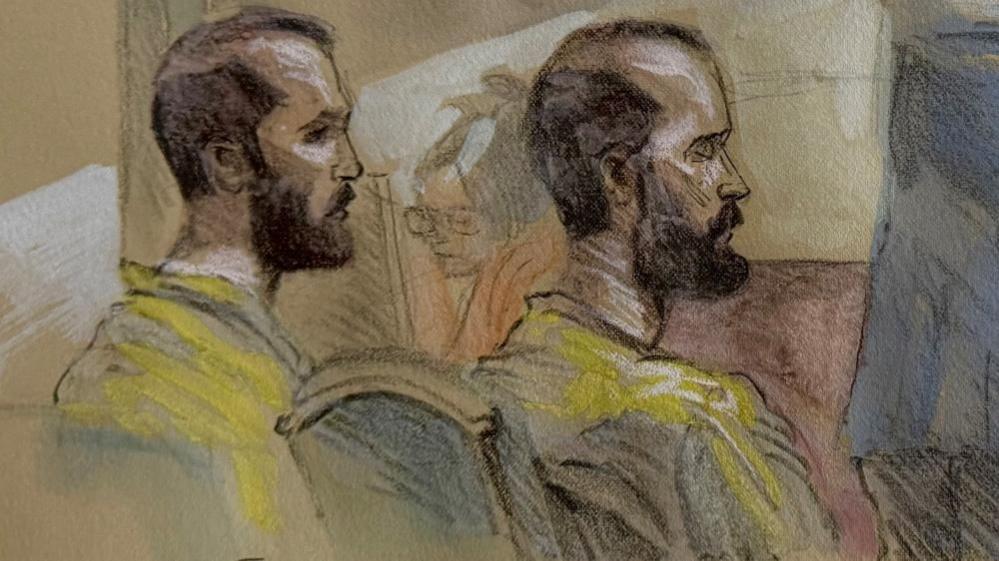
On Thursday, the Tate brothers, wearing tan prison uniforms, stood in a Miami federal courtroom flanked by shackles. They argued that they had not committed the crimes for which they faced, and demanded release so they could fight extradition to the United Kingdom on charges of rape and human trafficking.
U.S. government lawyers presented the brothers as a flight risk, noting that they bragged about owning multiple passports and that their wealth could fund an escape. Defence counsel countered that the brothers’ social‑media profiles and international fan base would make it almost impossible for them to flee.
Conditions of Detention
The brothers described their confinement as small and hot, with limited sunlight and exercise opportunities. Tristan Tate said the conditions were “grate‑ing” and that he had lost 14 lb (6.3 kg) during his stay. They claimed that these conditions hindered their ability to participate fully in their defence.
UK Extradition Deadline
The British Crown Prosecution Service unveiled dozens of new charges against the brothers, totalling 59 criminal accusations, including rape and child‑indeterminate sex‑trafficking offences. UK prosecutors have until 16 September to submit a full extradition request.
The defendants also face related charges in Romania from 2022 and were under a travel ban until 2025—an aspect the brothers argue worsened their situation in the U.S. case.
Public and Political Context
The brothers’ online persona showcases lavish wealth and a so‑called “manosphere” lifestyle, attracting millions of followers. The White House has stated President Donald Trump will not intervene in the extradition process, despite the brothers’ vocal support of the former president.
Judge Lauren Louis will issue a written ruling later regarding bail. The case remains a high‑profile example of the clash between U.S. criminal proceedings and UK extradition law, while also drawing public scrutiny over the conditions of detention in U.S. federal facilities.