In brief
Iceland’s 400‑person electorate is split on whether to re‑start talks for EU membership, with preliminary tallies showing a 50.1% opposition to a 49.9% support margin of just 435 votes from 270,000 eligible voters. Prime Minister Kristrún Frostadóttir cast her own vote in Reykjavik, underscoring the symbolic weight of the decision. The debate centers largely on the fishing sector—dominating nearly 40% of exports—and how EU fisheries policy might affect Iceland’s maritime assets, while geopolitical tensions, including U.S. interest in Greenland and Russian naval activity near Iceland, amplify security concerns. Even a ‘yes’ vote would not equate to full EU accession, requiring a second referendum, whereas a ‘no’ would not shut future engagements out entirely. The outcome will shape Iceland’s future trade, fiscal policy, and its relationship with NATO allies.
A razor‑thin split—only 435 votes—has left the outcome of Iceland’s EU membership referendum ambiguous as 153,197 ballots have been counted.
Iceland’s electorate, roughly 400,000 people, is divided over whether to resume negotiations for European Union membership. Of the 270,000 eligible voters, 50.1% oppose the proposal while 49.9% support it, according to public broadcaster RUV.
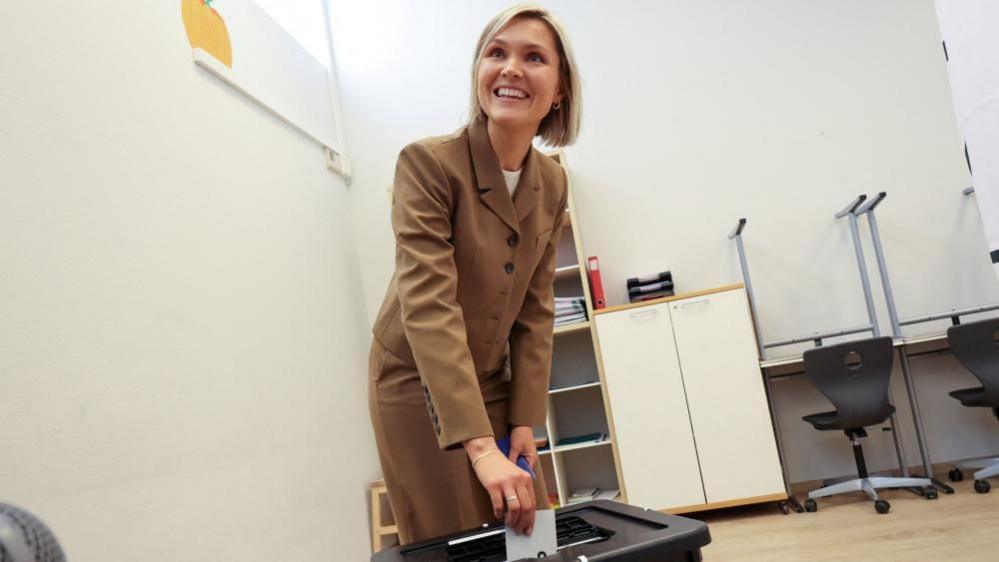
Prime Minister Kristrún Frostadóttir, who steered the country through the 2008 financial crisis and a 2009 EU application, took her vote in Reykjavik, emphasizing that the decision reflects deeper questions about the nation’s place in the world.
While security concerns loom—highlighted by U.S. President Donald Trump’s discourse on Greenland and Russian naval movements near Iceland—most of the debate has focused on the fishing sector.
Fishing and marine industries contribute nearly 40% of Iceland’s exports, and many voters fear that EU’s common fisheries policy could curtail control over lucrative maritime resources. Nevertheless, a ‘yes’ vote would only trigger a new round of accession negotiations and would still require a second referendum for full entry.
In parallel, Iceland is already a member of the EU’s single market for goods, a Schengen zone, and relies on NATO for security. The outcome of this referendum may re‑define trade dynamics, customs arrangements, and the eventual adoption of the euro.
As vote counting continues, the international community watches closely, recognizing that the result will have far‑reaching implications for the island’s economy and geopolitical alliances.