Trump’s Latest Bid to Rename Lake Ontario Sparks Canada‑US Tensions
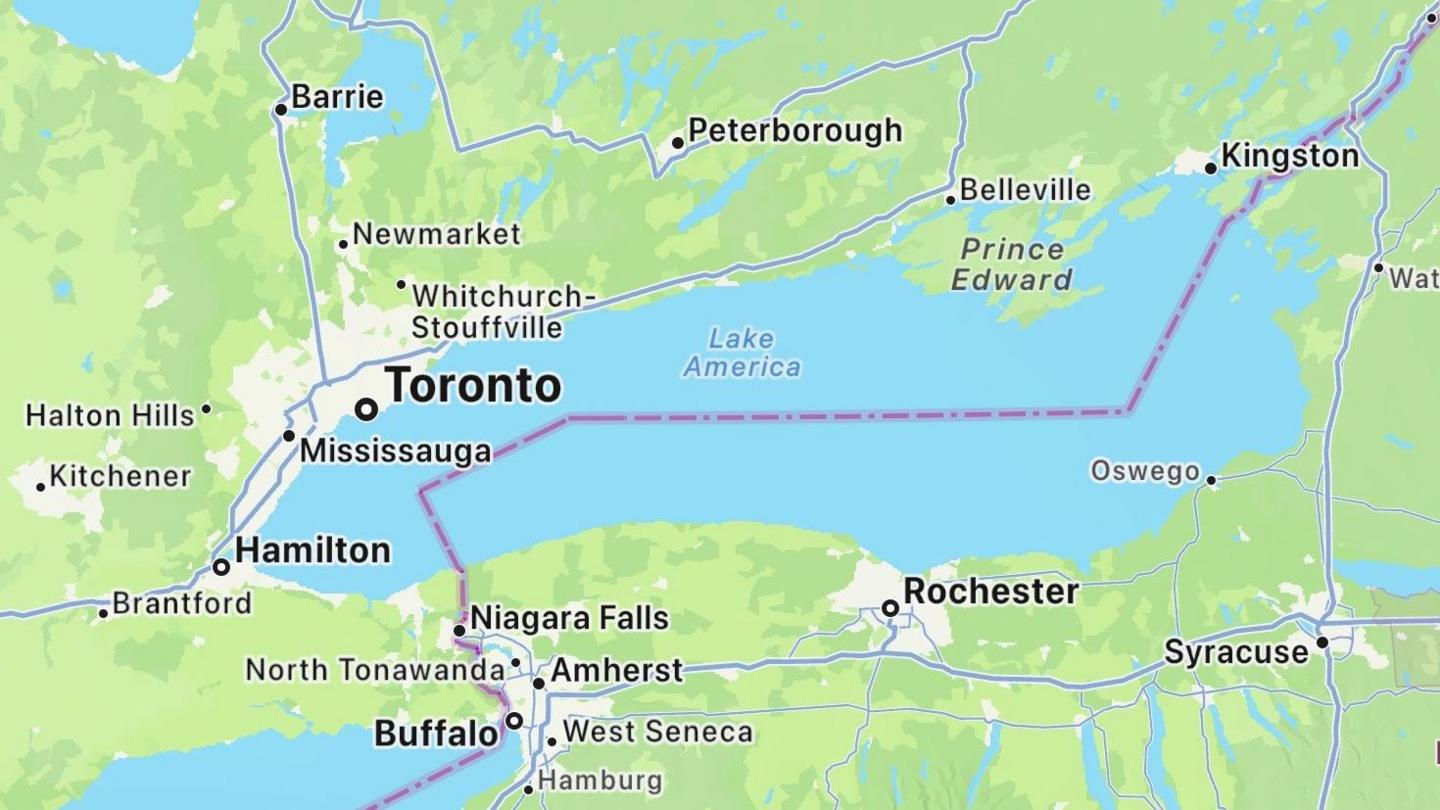
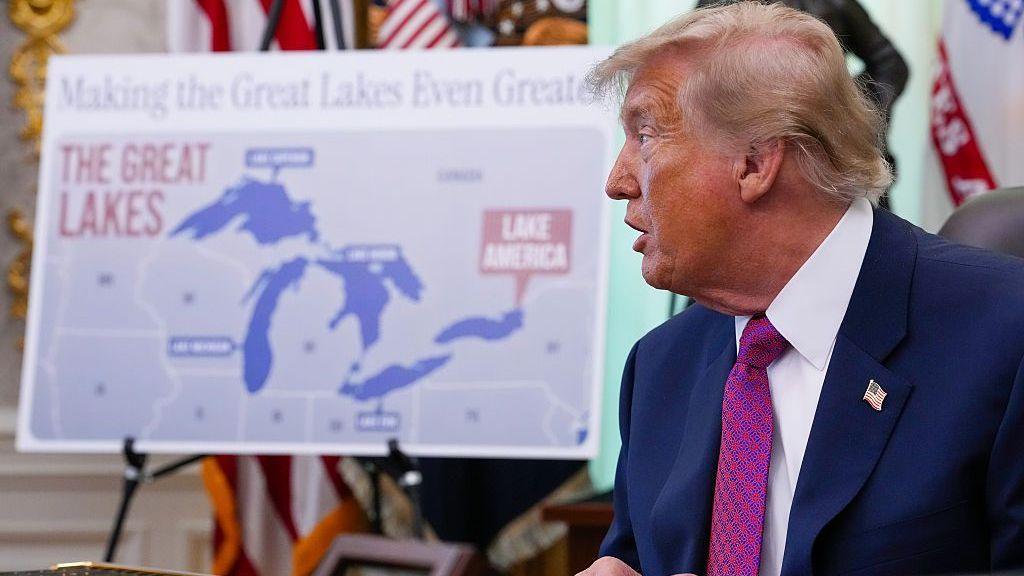
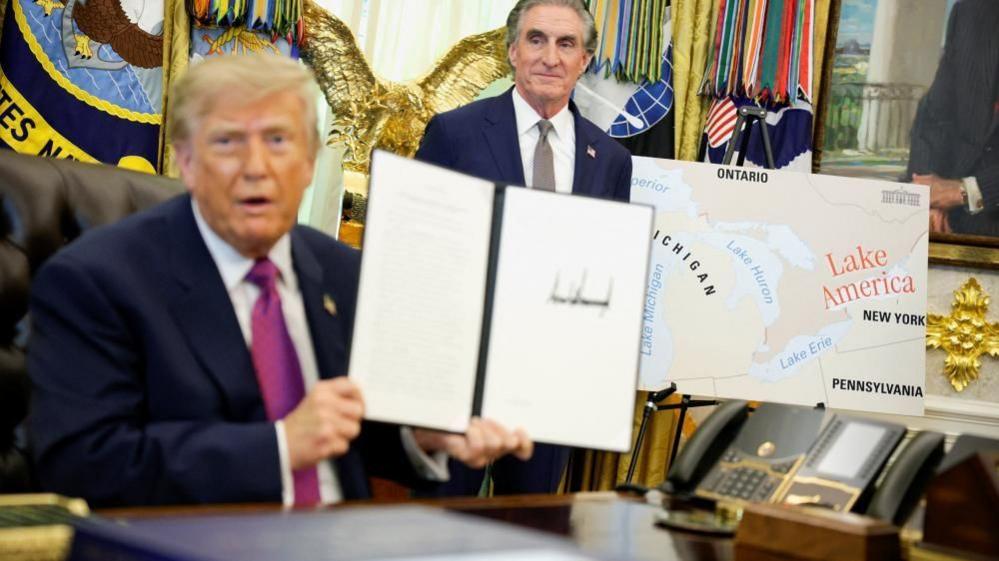
U.S. President Donald Trump has signed an executive order at the Oval Office intending to rename Lake Ontario, the North‑American Great Lake shared by New York and Ontario, as Lake America. The move is being described by the White House as “official, effective immediately,” and it is set to be forwarded to the U.S. Department of the Interior for action within 30 days.
The order follows a series of trade disputes that erupted last week when the U.S. levied 50% tariffs on $20 billion in Canadian exports. Canada has announced that it will impose equivalent counter‑tariffs next month. Federal authorities say the new U.S. name is a response to Canada’s perceived exploitation of the trade relationship.
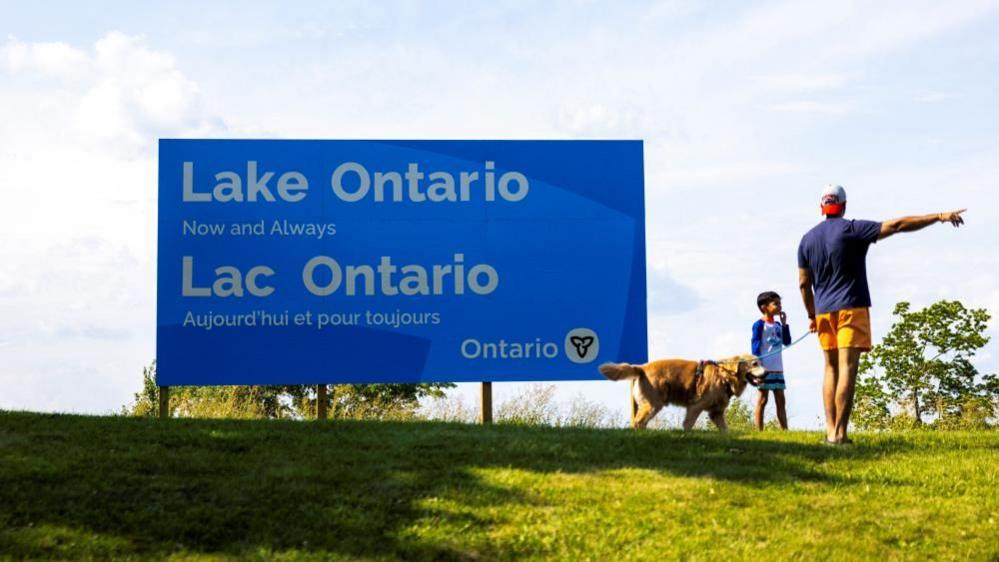
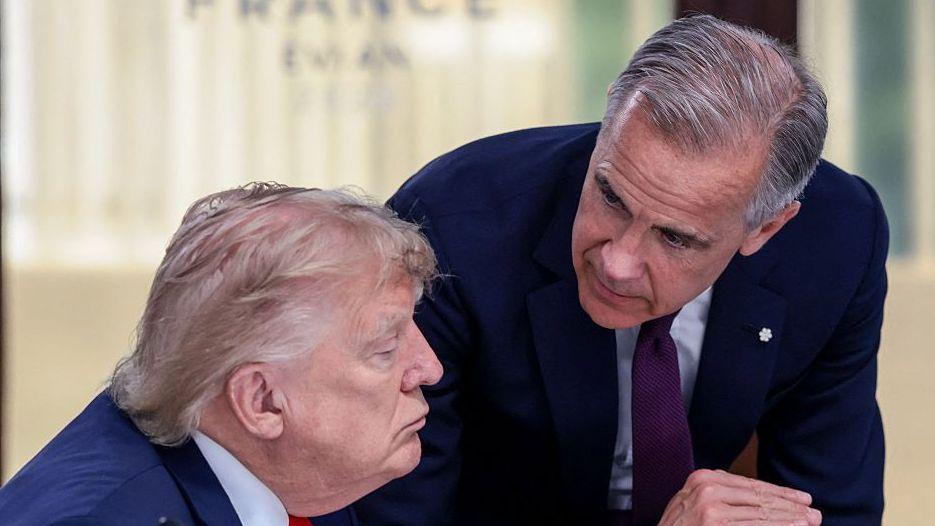
Canadian Prime Minister Mark Carney publicly rejected the change, noting the lake’s name dates back more than 400 years and predates the American Declaration of Independence. Carney echoed the sentiment that the “lake is called Lake Ontario today and forever,” a statement that became a rallying cry in both federal and provincial circles.
The executive order borrows the same tactic that President Trump used in 2025 to rename the Gulf of Mexico as the Gulf of America, a move that led to a legal challenge from Mexico and a tug‑of‑war with Google Maps. In that earlier case, users in the United States saw “Gulf of America,” while Venezuelan and Mexican users retained “Gulf of Mexico.” The U.S. State Department said the renaming would not affect international water agreements, but Canada does not recognise changes imposed by foreign powers.
In the U.S., several Democrats have criticized the order as a threat to shared waterways, with U.S. Senator Debbie Dingell filing a bill to reverse the rename. Influenced by public outrage, New York Governor Kathy Hochul refused to use the new name, citing the state’s legal responsibility to respect Canadian borders. Whistle‑tactics also appear, as Wisconsin Governor and Michigan lawmakers mock the idea by jokingly renaming lakes on social media.
The Interior Secretary Doug Burgum has praised the decision, asserting that the U.S. Geological Survey will update maps to reflect “Lake America.” Meanwhile, technology companies are finger‑crossing to see how digital maps will reconcile the new nomenclature across regions.
The renaming has been framed by the Trump team as a symbolic assertion of American identity, yet it has reignited accusations that the Trump administration is using nationalist rhetoric to back‑stop trade negotiations. Canadian officials insist that the changes are unconstitutional and have no basis under international law, arguing that water bodies and place names in shared territories must be governed jointly.
With both countries moving toward further trade talks, the lake rename remains a litmus test for U.S.‑Canada diplomatic respect and a reminder that symbols matter. As the legal and diplomatic arenas heat up, the international community watches, wondering whether this step will be overturned or cemented into future cartographic and legislative practices.