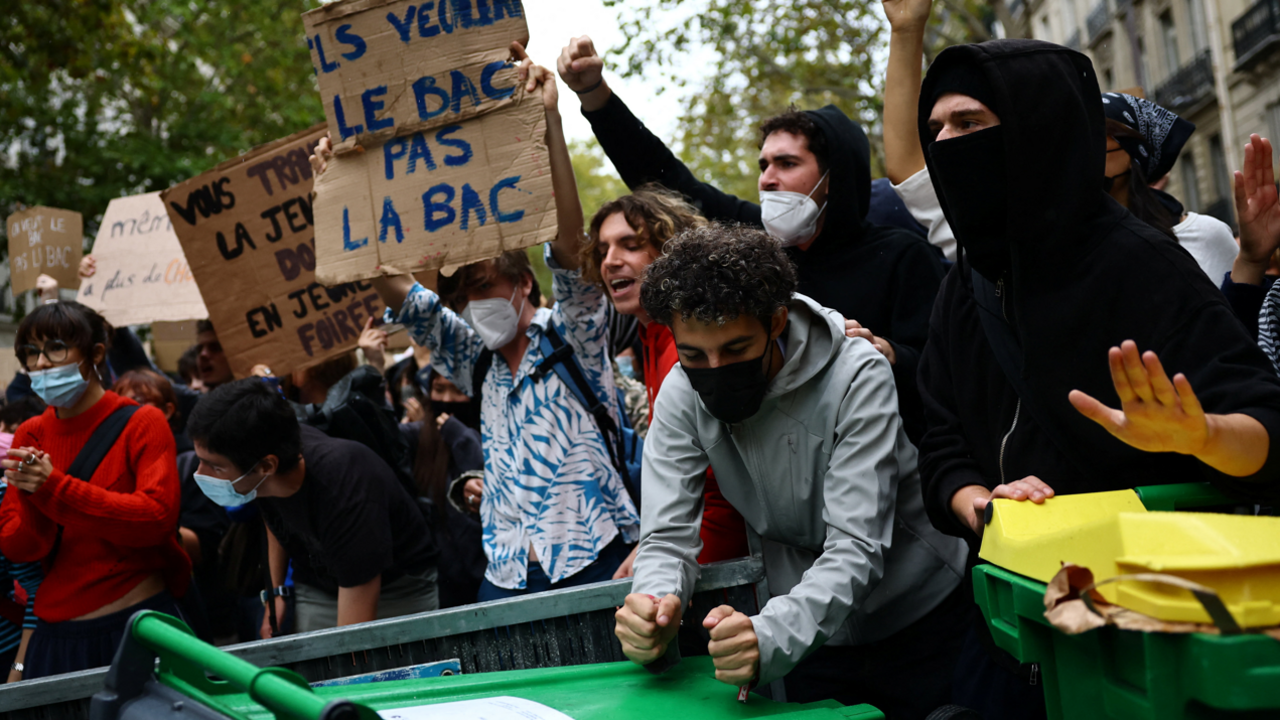
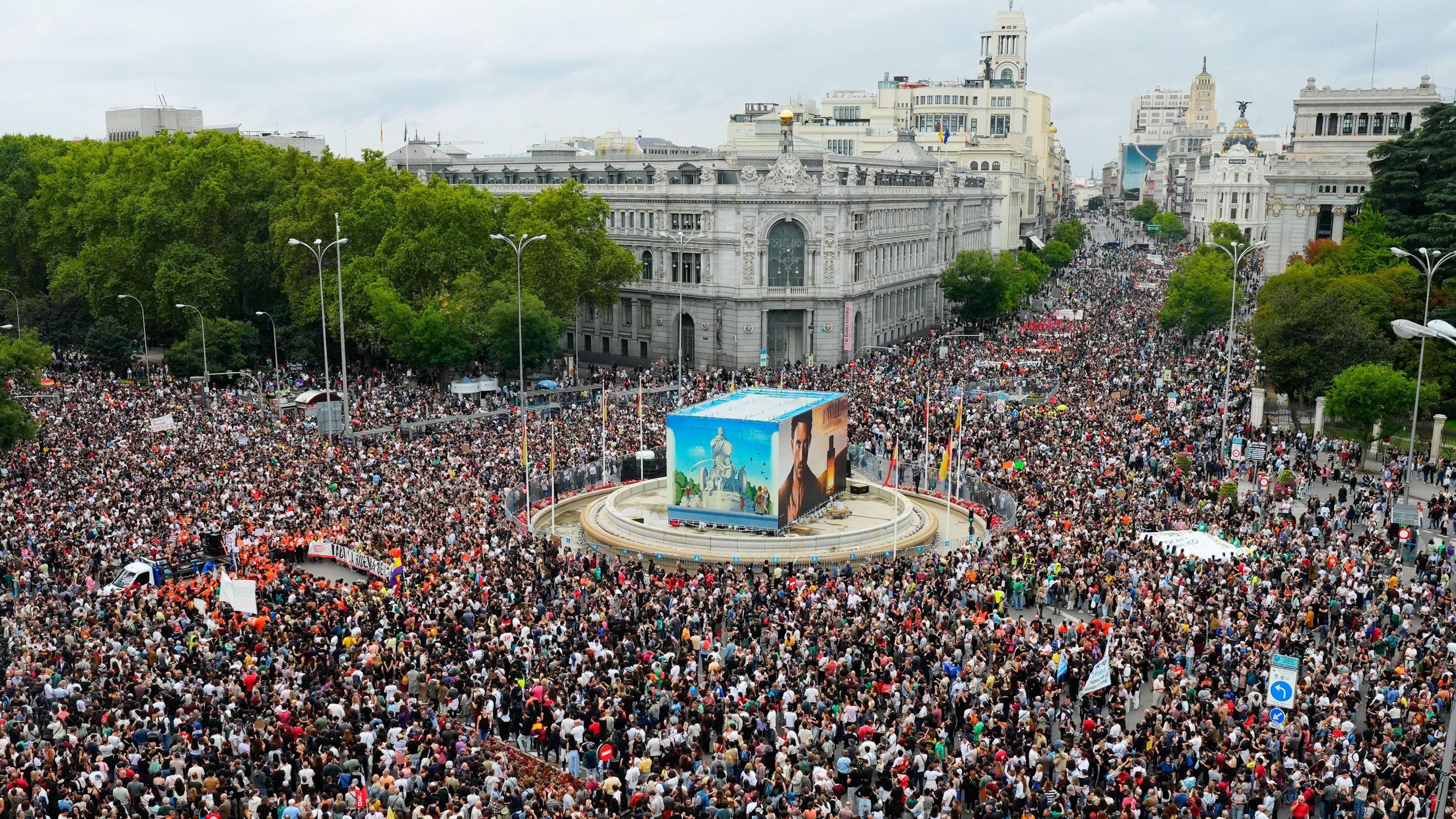
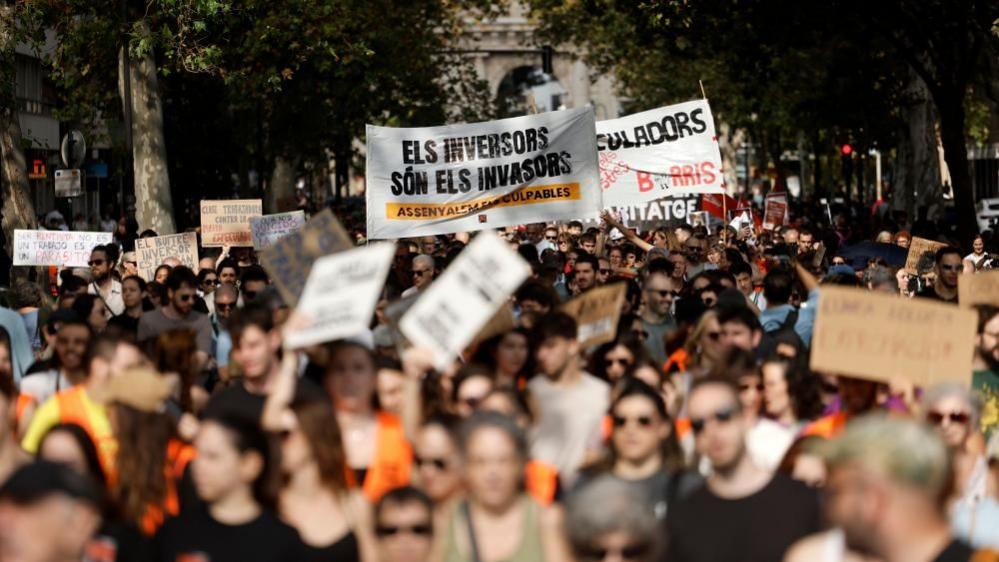
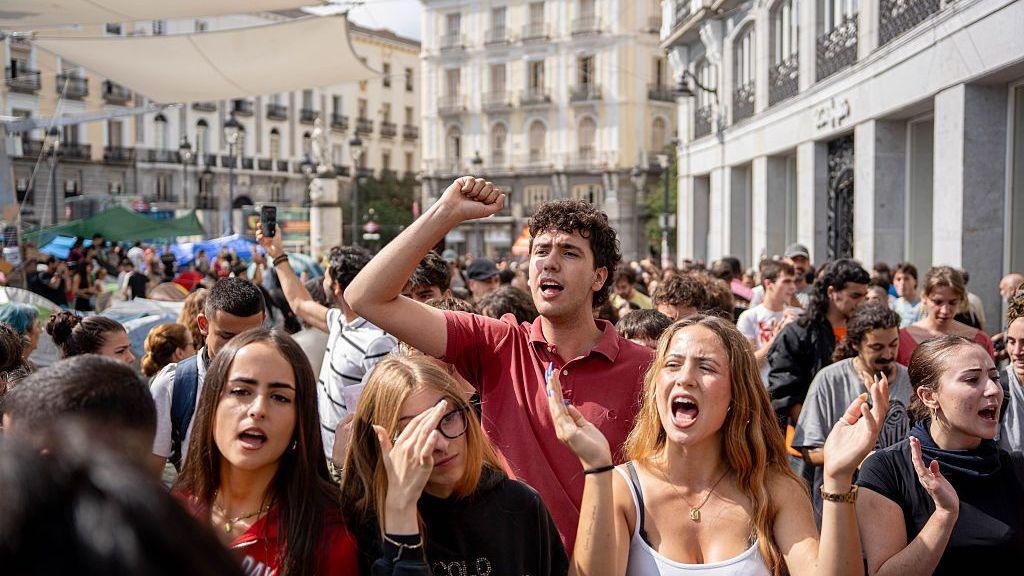
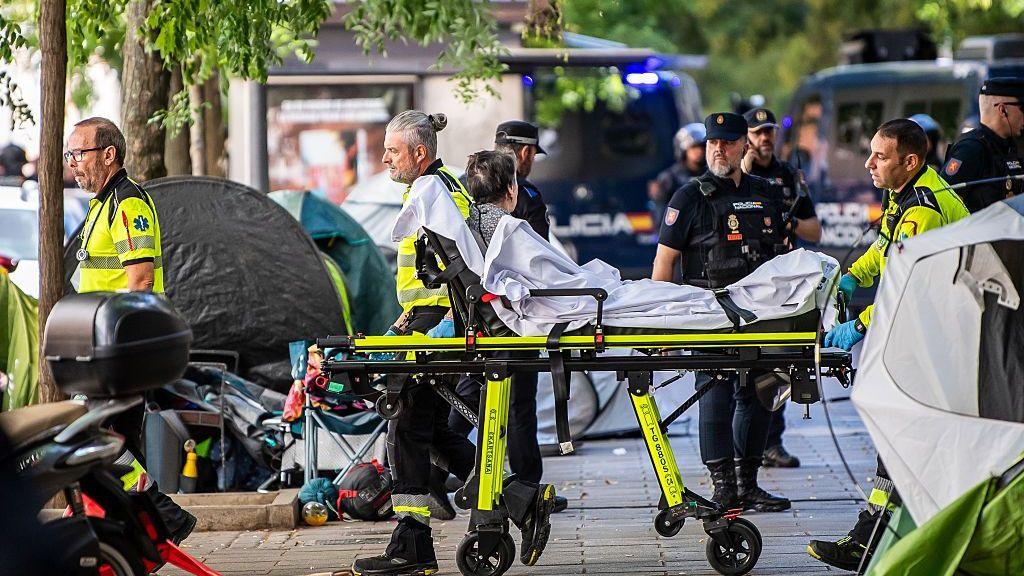
In the heart of Madrid’s Puerta del Sol, a makeshift neighbourhood of tents hosts protestors accusing investment funds of inflating rents and flooding the market with empty homes.
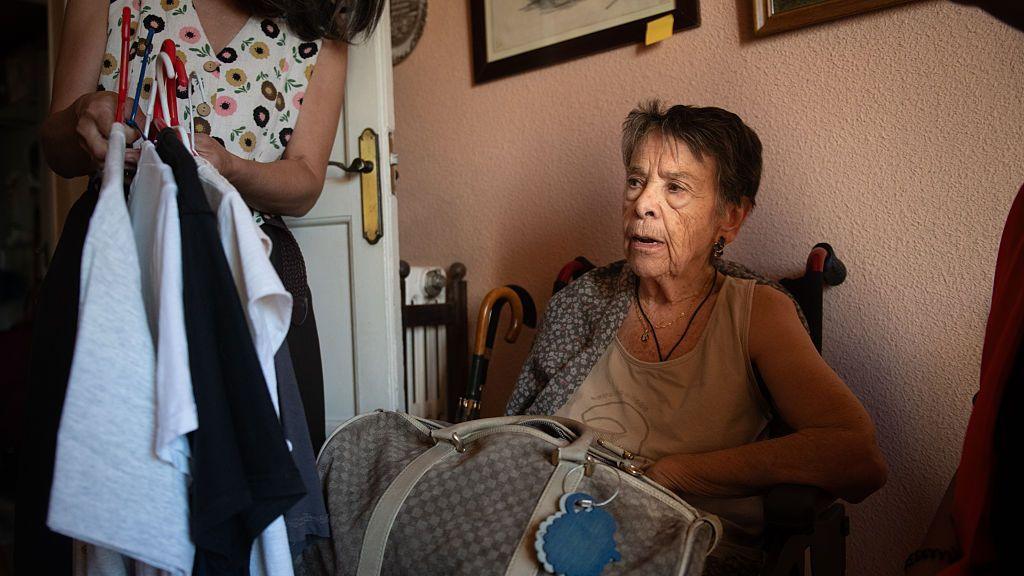
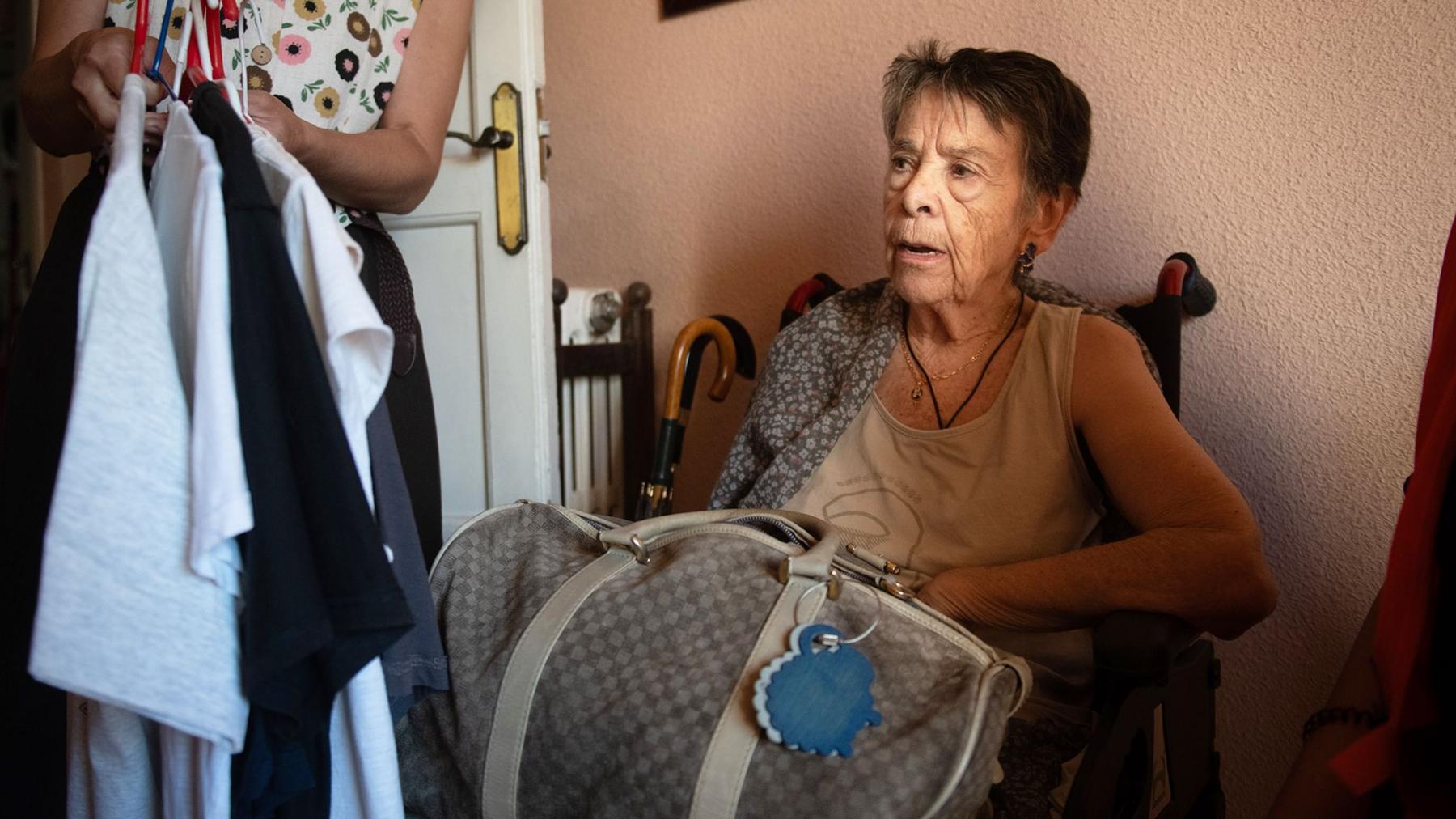
21‑year‑old graduate Pierina Nicuray, a camp leader, said the crisis is “the same problem as always” — a lack of homes that landlords and Airbnb exploit to squeeze people out. 19‑year‑old film‑dubbing student Jorge Moreno echoed her call, pointing to 87‑year‑old Maricarmen Abascal’s eviction, whose death only widened the public’s anger.
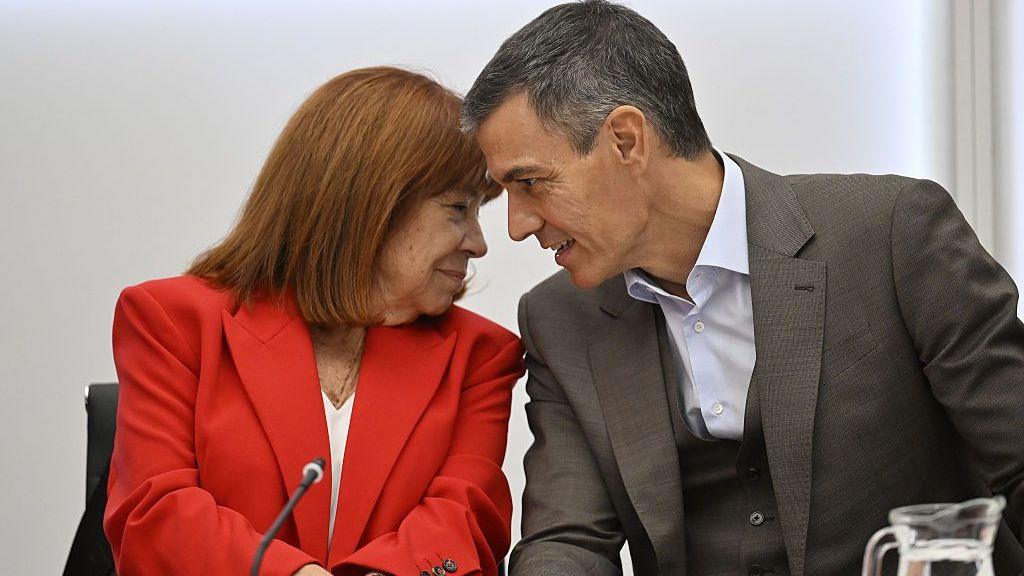
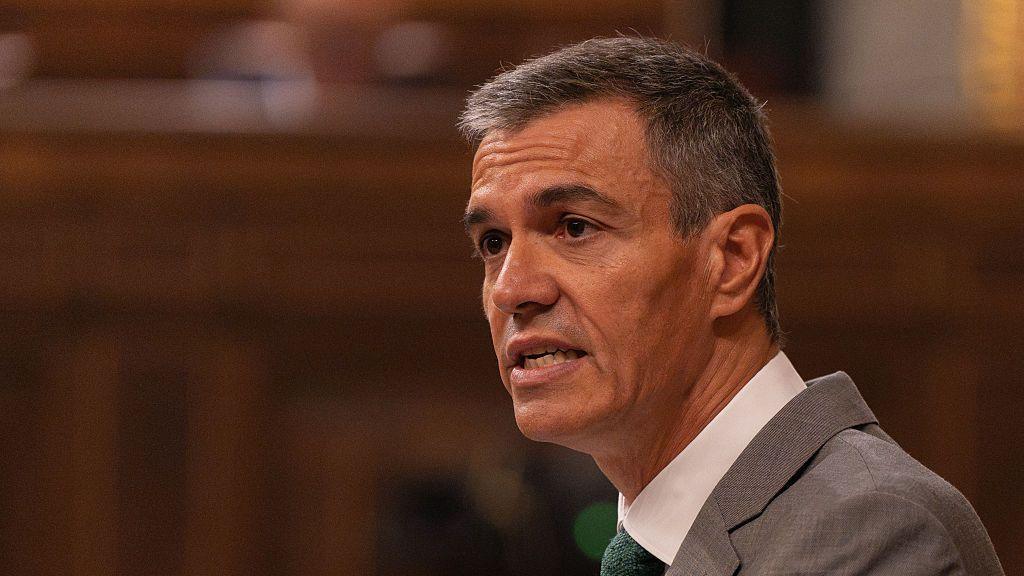
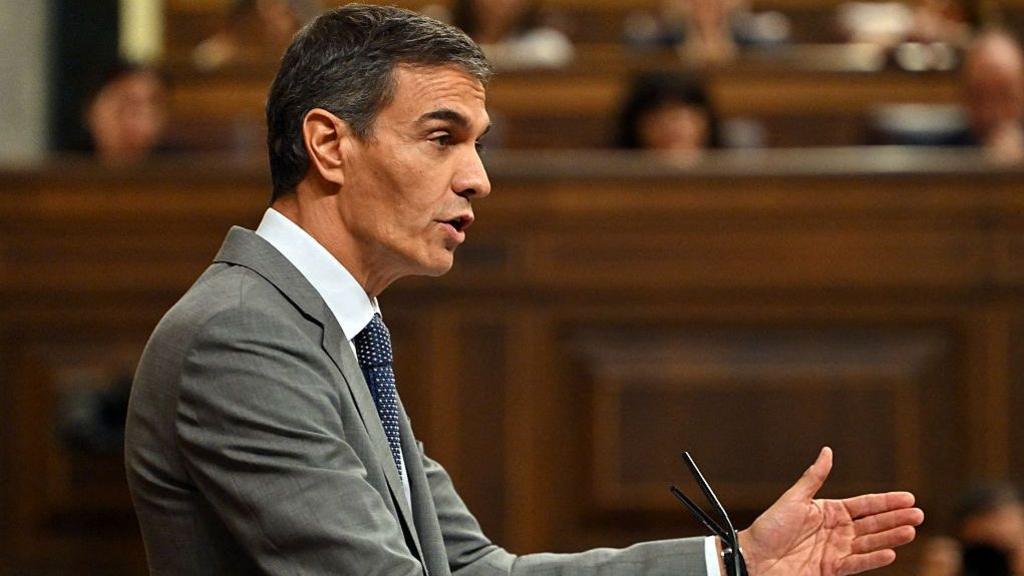
The story of Abascal—evicted, forced to raise her rent sharply, and then denied a return home—became a rallying point. While the protests demanded stronger controls on property speculation, Prime Minister Pedro Sánchez pledged legislation aimed at stopping “housing as a market commodity.” The bill passed Congress, only to be rejected, prompting Sánchez to summon a snap election.
Experts note that Spain’s housing shortfall sits at around 750,000 units, projected to rise to one million by 2028, driven largely by a surge in new households, including migrants, outpacing construction. While a 2024 Bank of Spain report shows only 8% of rental properties are company‑owned—a figure that downplays the role of investment funds—the data underscored a broader supply‑demand gap. Airbnb and similar short‑term rentals are cited as a local driver of price spikes, especially in urban hubs.
Meanwhile, wages have lagged. A recent study found the average Madrid‑region salary is €1,550 per month, yet many renters spend 75–80% of that on rent, leaving little for essentials. Retiree Francisco Pardo, 81, expressed the financial squeeze, adding that most workers earn below €2,000 a month.
Across Spain, the crisis has become a national debate. Surveys show 72% want higher taxes on those owning ten or more properties, 76% want limits on short‑term rentals, and 40% support expropriation of empty homes. The question now is whether consensus can emerge on solutions that both address speculation and build new housing stock before the next election cycle.