Malaysia begins controversial repatriation of asylum seekers to Myanmar
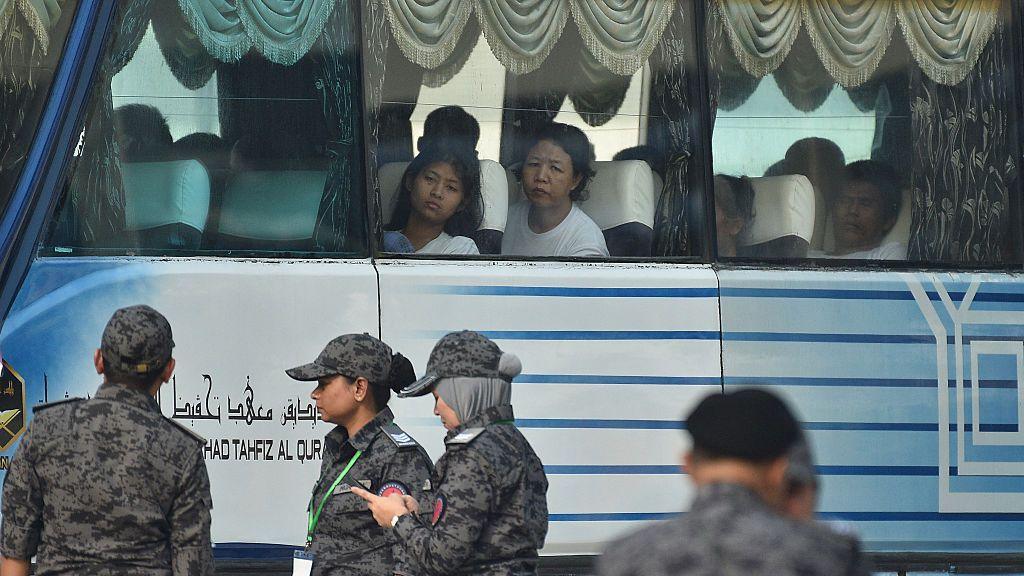
Malaysia has started shipping back about 5,000 asylum seekers from Myanmar, a policy that has sparked immediate condemnation from human‑rights watchdogs. Three Myanmar navy vessels left Malaysian waters on Tuesday carrying the first 1,476 returnees, a figure that represents the initial phase of a larger plan to return roughly 5,000 people.
Human‑rights organisations argue the returnees could face violence, persecution or forced conscription into the Myanmar army. Malaysia counters that the repatriations are "voluntary" and has denied the UNHCR access to screen the detainees, who are held in detention centres while they await transport.
Prime Minister Anwar Ibrahim has cited a "growing public hostility" towards the large Muslim Rohingya community in Malaysia as a principal driver for the agreement with Myanmar’s military ruler, Min Aung Hlaing. “They have become a burden – a security burden, an economic burden and a source of hostility among the people,” Anwar told a recent interview.
The move marks a dramatic shift in Malaysia’s stance. In 2021 Anwar was hailed for championing human‑rights causes and for resisting the Myanmar junta, positioning Malaysia as a vocal supporter of Rohingya refugees. Now he faces accusations of betraying those principles, with former anti‑corruption chief Latheefa Koya calling the decision “disgraceful” and “unethical.”
Economically, Malaysia has been under pressure since the COVID‑19 pandemic. Many middle‑income Malaysians have lost jobs, sparking anti‑immigrant sentiment that has increased over the past year. Politically, Malaysia has seen a decline in support for Anwar’s party, now forced to make concessions to its erstwhile adversaries, UMNO, whose base relies on Malay‑majority politics.
The legality of returning Rohingya is uncertain. The group does not hold citizenship papers and cannot legally enter Myanmar. They are allowed to live only in Rakhine State, which is largely controlled by the insurgent Arakan Army and is subject to heavy bombing. Even Sittwe, the state capital, remains besieged, with shortages of food and medical supplies. Human‑rights experts fear that men in the group could be drafted into the civil war.
No detailed plan has been released on how Malaysia and Myanmar will overcome these obstacles, raising questions about the feasibility of the repatriation and whether it meets humanitarian standards. Many observers suspect the decision is more about appeasing domestic pressure than addressing the humanitarian reality of displaced Rohingyas.
The international community watches closely, as similar negotiations in Bangladesh over its much larger Rohingya population have yielded little progress. Rohingya advocate Nur Sadek stresses that the decision should reflect a choice “to return because it is safe and because we choose to – not because we are forced to.”
With political pressure mounting and dwindling public support, Anwar must decide whether compliance with the repatriation agreement will bring short‑term political stability or long‑term reputational cost. How Malaysia balances domestic concerns against international human‑rights obligations will shape the next chapter of the Rohingya crisis.